

Walking into a grocery store without a plan is one of the fastest ways to overspend, overbuy, and come home with foods that don’t support your goals. A diet grocery shopping list changes everything. It keeps you focused, saves time, and makes healthy eating feel realistic instead of restrictive.
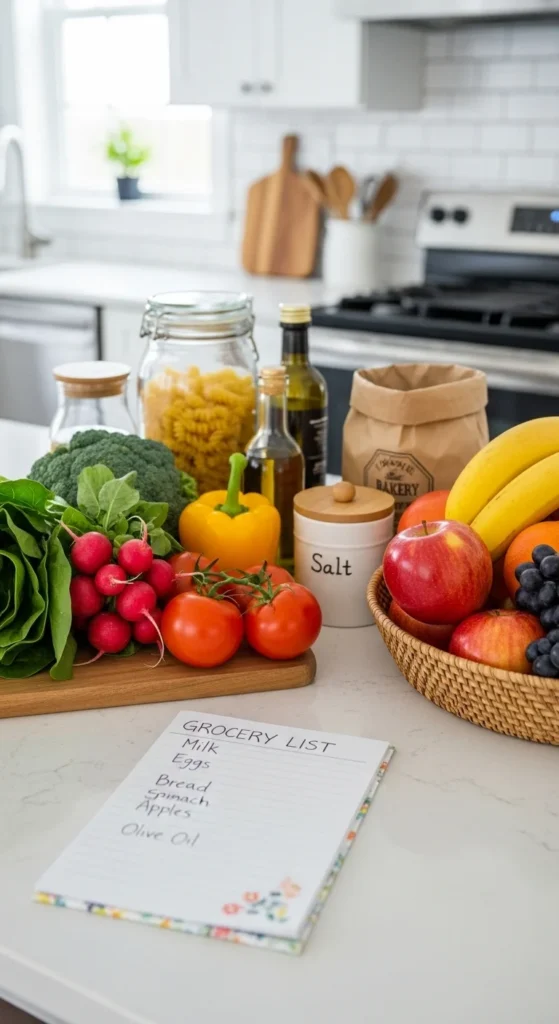
The good news? You don’t need complicated rules or extreme planning. You just need a smart system. Let’s break it down step by step.
Start With Your Weekly Meals (Not the Store)
Before you think about food aisles or brands, think about meals. Your grocery list should support what you plan to eat, not the other way around.
Ask yourself:
- How many breakfasts, lunches, and dinners will I eat at home this week?
- Will I need quick meals, leftovers, or simple prep?
- Am I cooking for one or more people?
Write down a short meal outline. Nothing fancy.
Example:
- Breakfasts: yogurt bowls, eggs with vegetables
- Lunches: leftovers, simple salads
- Dinners: grilled protein, roasted vegetables, grain bowls
- Snacks: fruit, nuts, easy options
This step alone prevents impulse buys and food waste.
Build Your List Around Food Groups
Instead of listing random items, organize your list by food groups. This makes shopping faster and more balanced.
Protein Choices
Protein helps keep meals filling and supports steady energy.
- Eggs
- Fish or seafood
- Chicken or turkey
- Lentils or beans
- Tofu or tempeh
- Greek-style yogurt
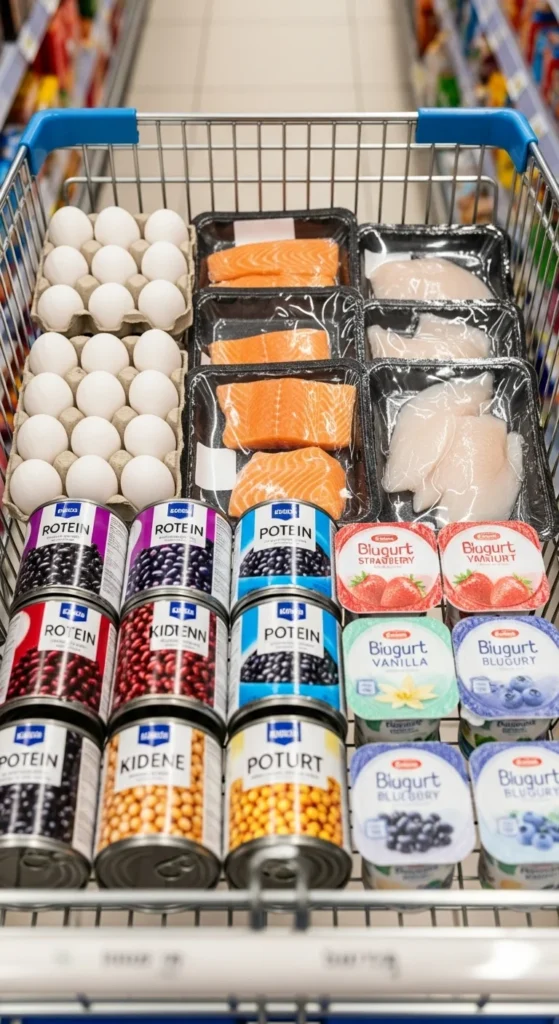
Choose 2–3 main options so meals stay simple.
Vegetables (Fresh, Frozen, or Both)
Vegetables add volume and nutrients without complicating meals.
- Leafy greens
- Bell peppers
- Zucchini
- Broccoli or cauliflower
- Carrots
- Frozen mixed vegetables
Tip: Frozen vegetables are just as useful as fresh and last longer.
Fruits for Easy Wins
Fruit works for snacks, breakfasts, and quick add-ons.
- Apples or pears
- Bananas
- Berries (fresh or frozen)
- Citrus fruit
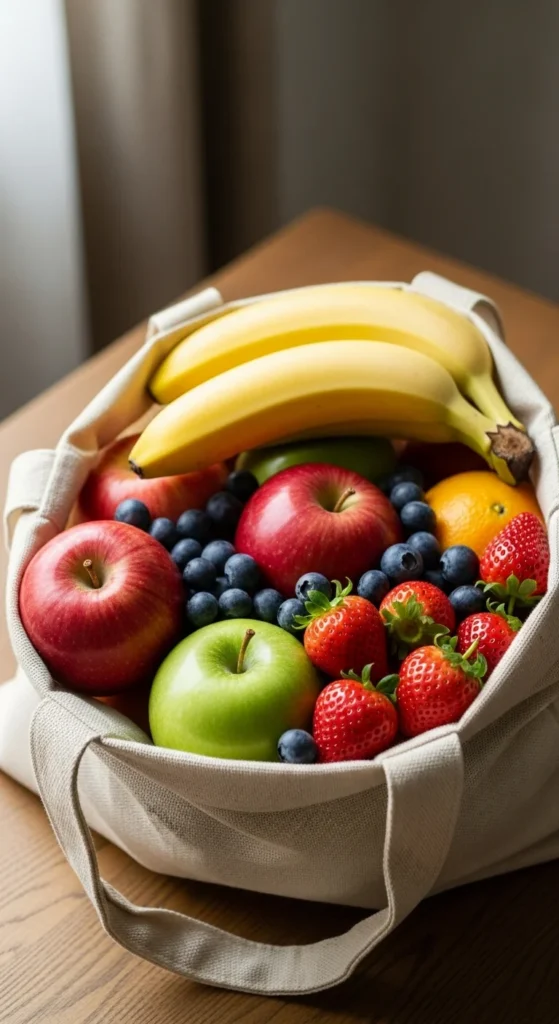
Stick to fruits you actually enjoy so they don’t go unused.
Smart Carbohydrates
Carbohydrates aren’t the enemy. The key is choosing ones that fit your meals.
- Rice or quinoa
- Oats
- Potatoes or sweet potatoes
- Whole-grain bread or wraps
Keep portions realistic by planning how each item will be used.
Healthy Fats and Extras
These add flavor and satisfaction.
- Olive oil
- Nuts or seeds
- Nut butter
- Avocados
A little goes a long way, so you don’t need many options.
Read Labels Without Overthinking
You don’t need to analyze every package. Focus on a few basics:
- Short ingredient lists
- Recognizable ingredients
- Lower added sugar when possible
If a product feels confusing, skip it. Whole foods make label reading easier.
Avoid the “Diet Food” Trap
A strong diet grocery list isn’t built on specialty products. It’s built on regular foods used intentionally.
Instead of searching for:
- “Low-everything” snacks
- Trendy items you’ve never eaten before
Focus on:
- Simple ingredients
- Foods you can cook or combine easily
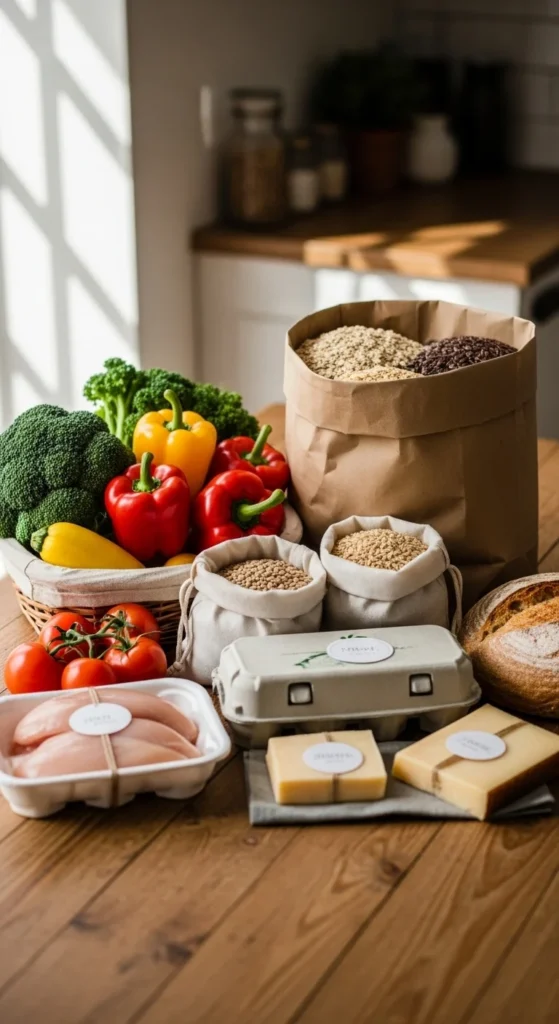
Consistency matters more than perfection.
Keep a Running List During the Week
One of the easiest habits to build is writing items down as soon as you notice you need them.
- Finished the last onion? Write it down.
- Almost out of oats? Add it immediately.
This prevents last-minute guessing and keeps your list accurate.
Bonus tip: Organize your list in the same order as your usual store layout.
Adjust Your List to Your Lifestyle
Your grocery list should match your real life, not an ideal version of it.
If you’re busy:
- Choose pre-cut vegetables
- Add simple frozen options
If you enjoy cooking:
- Buy raw ingredients
- Plan 1–2 new recipes per week
A diet that works is one you can repeat.
Sample Diet Grocery List Structure
Use this as a simple template:
- Proteins: eggs, fish, beans
- Vegetables: leafy greens, broccoli, carrots
- Fruits: apples, berries
- Carbohydrates: rice, oats
- Fats: olive oil, nuts
- Extras: herbs, spices, yogurt
Short. Clear. Effective.
Final Takeaway
Creating a diet grocery shopping list isn’t about restriction. It’s about clarity. When you shop with a plan, healthy choices become automatic instead of exhausting.
Start small. Keep it flexible. Use foods you enjoy.
Save this guide for your next grocery run and make your list work for you—not against you.

Leave a Reply