

Ever started a diet feeling motivated — only to find yourself thinking about cookies, fries, or late-night snacks by day three? You’re not alone. Food cravings are one of the biggest reasons people give up on healthy eating plans. The good news? Cravings don’t mean you lack willpower. They’re often your body and brain asking for balance, comfort, or energy in disguise.
The secret isn’t fighting cravings harder — it’s learning how to outsmart them. With a few simple habits, you can reduce urges, stay satisfied, and actually enjoy your diet without feeling deprived.

Let’s break down practical, science-backed ways to beat cravings without misery.
Understand Why Cravings Happen
Before fixing cravings, it helps to know where they come from. Most cravings are triggered by one of three things:
- Hunger: Skipping meals causes blood sugar drops.
- Emotions: Stress, boredom, or fatigue push you toward comfort foods.
- Habits: Your brain expects snacks at certain times.
For example, if you always eat something sweet after dinner, your brain will ask for it — even if you’re full.
Instead of asking, “Why am I so weak?” ask:
- Am I actually hungry?
- Am I tired or stressed?
- Is this just routine?
Awareness alone can reduce half your cravings.
Eat Balanced Meals That Keep You Full
Extreme dieting almost guarantees cravings. When meals lack protein, fiber, or healthy fats, your body keeps searching for quick energy.
Build meals that satisfy you longer:
- Protein: eggs, chicken, lentils, yogurt
- Fiber: vegetables, oats, whole grains
- Healthy fats: nuts, seeds, olive oil, avocado
A balanced plate keeps blood sugar steady, which means fewer sudden snack attacks.
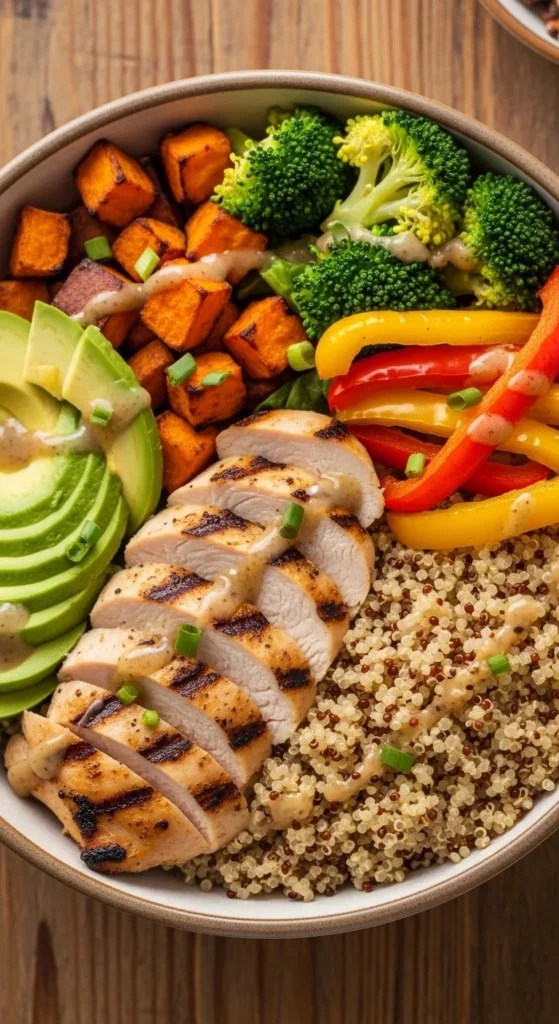
Simple rule: If your meal wouldn’t keep you full for 3–4 hours, it needs more protein or fiber.
Don’t Ban Your Favorite Foods
Here’s a surprising truth: strict restriction often makes cravings stronger.
When you label foods as “forbidden,” your brain wants them more. Instead:
- Practice the 80/20 approach
- Eat nutritious foods most of the time
- Allow small portions of treats intentionally
A small piece of chocolate enjoyed slowly is far better than a later binge caused by deprivation.
Try this mindset shift:
You can have it — just not all of it right now.
Use Smart Snack Swaps
Sometimes cravings are real hunger between meals. Instead of ignoring them, choose satisfying alternatives.
Popular craving swaps:
- Sweet craving → Greek yogurt with fruit
- Crunchy craving → roasted chickpeas or popcorn
- Salty craving → nuts or lightly salted cucumber slices
- Creamy craving → smoothie or peanut butter on toast
These options satisfy texture and flavor without derailing progress.
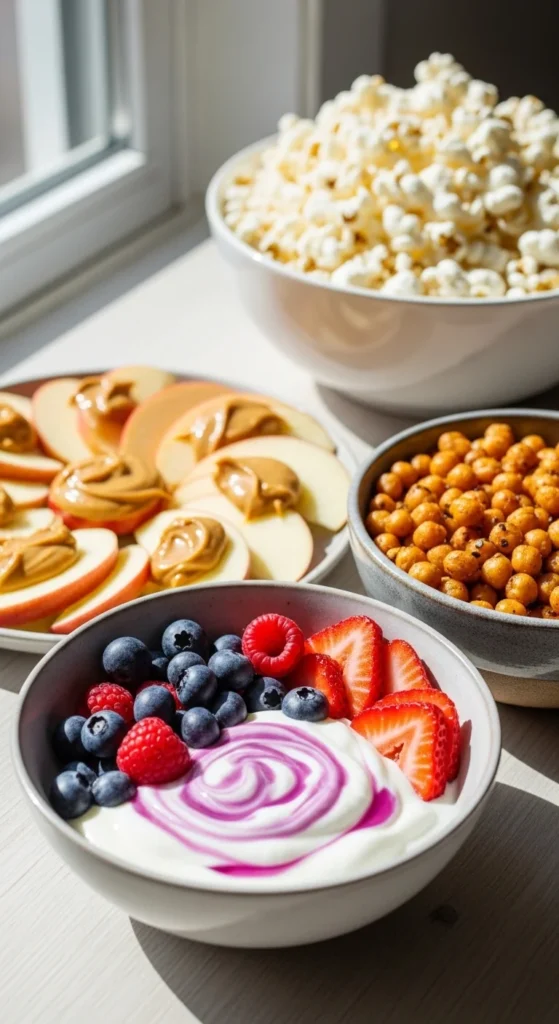
Small swaps add up — and they train your taste buds over time.
Drink Water Before Giving In
Dehydration often disguises itself as hunger. Many cravings disappear after hydration.
Before grabbing a snack:
- Drink one full glass of water.
- Wait 10 minutes.
- Check if the craving is still strong.
You’ll be surprised how often it fades.
Bonus tip:
- Herbal tea or lemon water can satisfy the need to “consume something” without extra calories.
Fix Emotional Eating Triggers
Not all cravings come from your stomach — many come from your mood.
Common triggers:
- Stress after work
- Late-night boredom
- Watching TV
- Lack of sleep
Instead of food, create a replacement ritual:
- Take a short walk
- Call a friend
- Stretch for five minutes
- Take a shower
- Journal your thoughts

You’re not removing comfort — you’re changing where comfort comes from.
Sleep More Than You Think You Need
Poor sleep increases hunger hormones and reduces self-control. Studies consistently show that sleep deprivation increases cravings for sugary and high-fat foods.
Aim for:
- 7–9 hours of sleep
- Consistent bedtime
- Reduced screen time before bed
When you’re rested, healthy choices feel easier instead of forced.
Slow Down and Eat Mindfully
Many cravings happen because meals are rushed. When you eat quickly, your brain doesn’t register fullness.
Try mindful eating:
- Put utensils down between bites
- Chew slowly
- Notice flavors and textures
- Eat without scrolling your phone
You’ll often feel satisfied with less food — and fewer cravings afterward.
The Real Secret: Progress Over Perfection
Cravings will still happen sometimes — and that’s normal. Healthy eating isn’t about never wanting pizza or dessert again. It’s about building habits that make cravings manageable instead of overwhelming.
Remember:
- One craving doesn’t ruin your diet.
- One snack doesn’t erase progress.
- Consistency matters more than perfection.
The goal isn’t restriction — it’s balance you can live with long term.
Final Takeaway
Beating food cravings isn’t about stronger discipline; it’s about smarter strategies. Eat balanced meals, stay hydrated, allow flexibility, and care for your sleep and emotions. When your body feels supported, cravings naturally lose their power.
Start with just one tip today, and notice how your relationship with food begins to change.
Save this guide for later — your future, craving-free self will thank you!

Leave a Reply