

Ever notice how eating healthy feels easy in your imagination — but chaotic in real life? One busy day, one skipped grocery trip, or one stressful evening can send even the best intentions straight toward takeout menus. The truth is, successful healthy eating isn’t about motivation. It’s about having a simple system that works even when life gets busy.
A diet food planning system removes daily decision fatigue, saves money, and helps you stay consistent without feeling restricted. Instead of constantly wondering “What should I eat?”, you already know the answer.
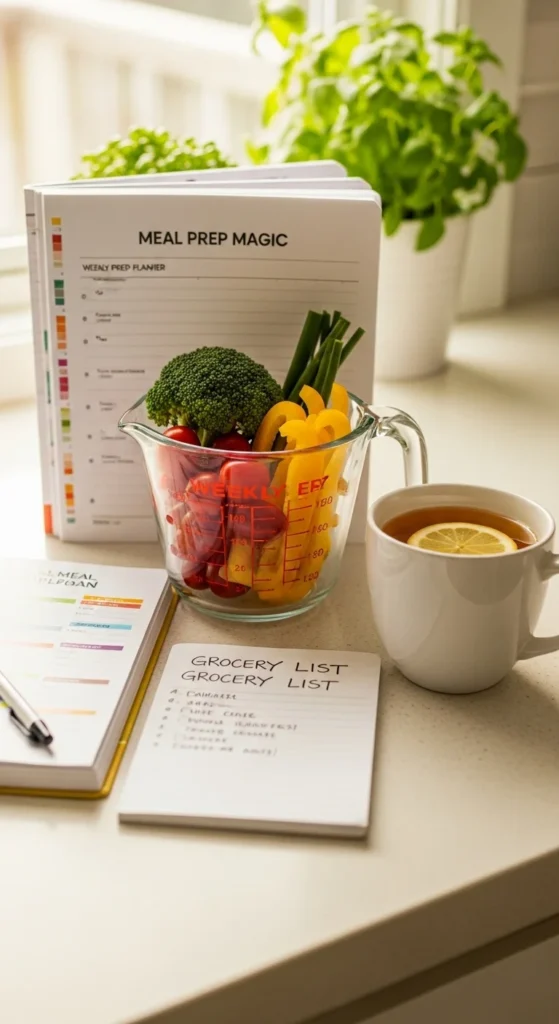
Let’s build a realistic, stress-free system you can actually stick to.
Step 1: Define Your Diet Goals Clearly
Before planning meals, decide what success looks like for you. A diet system only works when it matches your lifestyle and health goals.
Ask yourself:
- Are you trying to lose weight?
- Maintain energy throughout the day?
- Build muscle or improve fitness?
- Eat cleaner or reduce processed foods?
Keep goals simple and measurable. For example:
- “Eat vegetables at two meals daily.”
- “Prep lunches instead of ordering food.”
- “Reduce sugary snacks during weekdays.”
Avoid extreme restrictions. A sustainable plan always beats a perfect one you abandon after a week.
Step 2: Create Your Core Meal Template
Instead of planning completely new meals every day, create a repeatable structure. Think of this as your diet blueprint.
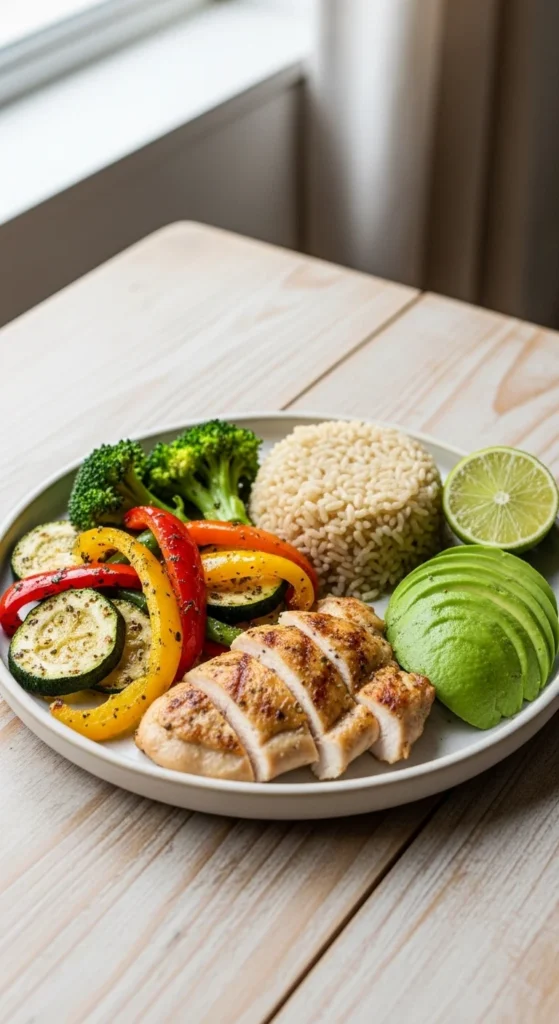
A balanced plate usually includes:
- Lean protein (chicken, eggs, lentils, tofu, fish)
- Vegetables or salad
- Smart carbohydrates (rice, quinoa, whole wheat roti, potatoes)
- Healthy fats (nuts, seeds, olive oil, yogurt)
Example daily template:
- Breakfast: Protein + fiber
- Lunch: Balanced plate
- Snack: Fruit or nuts
- Dinner: Light protein + vegetables
This approach reduces planning stress because you’re choosing within a framework — not starting from zero each time.
Step 3: Build a “Go-To Meals” List
One secret of successful planners? They repeat meals they love.
Create a list of 10–15 reliable healthy meals you enjoy cooking and eating. These become your weekly rotation.
Ideas might include:
- Vegetable omelet with whole grain toast
- Chicken and vegetable stir-fry
- Lentil curry with salad
- Yogurt parfait with fruit and seeds
- Baked fish with roasted vegetables
Why this works:
- Less decision fatigue
- Faster grocery shopping
- Easier calorie control
You’re not limiting yourself — you’re simplifying your choices.
Step 4: Plan Your Week in 15 Minutes
You don’t need hours of planning. A quick weekly session is enough.
Choose one planning day (Sunday works well) and follow this routine:
- Check your schedule for busy days
- Assign easy meals to hectic evenings
- Plan leftovers intentionally
- Write a focused grocery list
Pro tip: Plan themes to make decisions faster:
- Monday — Quick skillet meals
- Tuesday — Salad bowls
- Wednesday — Soup or lentils
- Thursday — Wraps or sandwiches
- Friday — Flexible or family favorite

Step 5: Smart Grocery Shopping Strategy
Your diet succeeds or fails at the grocery store — not in the kitchen.
Shop with intention:
Focus on the perimeter first:
- Fresh produce
- Dairy or alternatives
- Proteins
Buy versatile ingredients:
- Spinach (works in eggs, smoothies, salads)
- Chicken or beans (multiple meals)
- Rice or whole grains (batch cooking)
Avoid impulse traps:
- Never shop while hungry
- Stick to your list
- Choose whole foods over packaged snacks
When healthy ingredients are already at home, good decisions become automatic.
Step 6: Prep Once, Eat Multiple Times
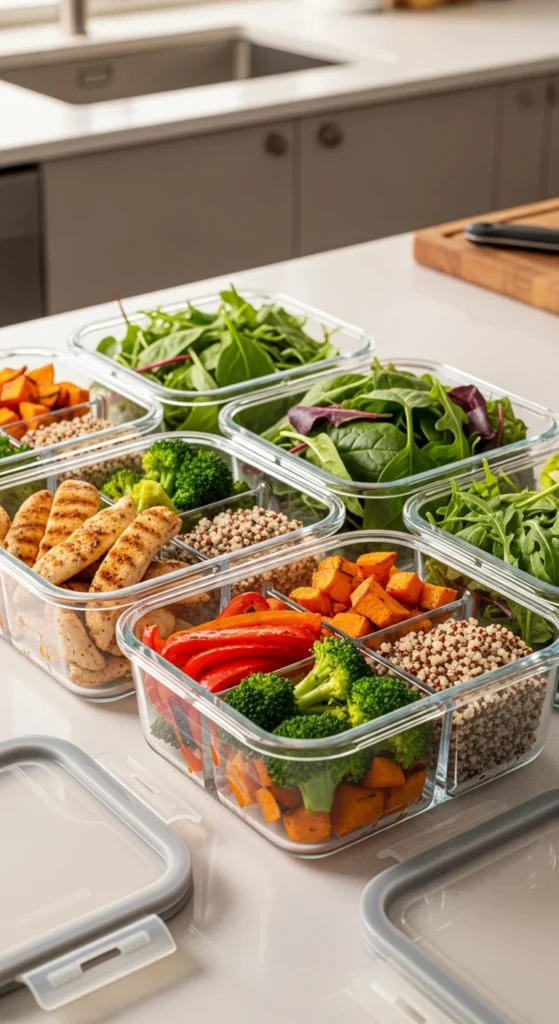
Meal prep doesn’t mean cooking seven full meals at once. Instead, prep components.
Try preparing:
- Cooked grains for 3–4 days
- Chopped vegetables
- Grilled or baked protein
- Homemade sauces or dressings
Then mix and match throughout the week.
Example:
- Monday: Chicken rice bowl
- Tuesday: Chicken salad wrap
- Wednesday: Stir-fry with leftover veggies
This saves time while keeping meals interesting.
Step 7: Build Flexibility Into Your System
The biggest mistake people make? Planning too strictly.
Life happens — cravings, social dinners, busy workdays. A strong system allows flexibility.
Try the 80/20 approach:
- 80% planned healthy meals
- 20% flexible choices
Also keep emergency healthy options:
- Frozen vegetables
- Eggs
- Canned beans
- Yogurt or fruit
Consistency matters more than perfection.
Step 8: Track Progress — Not Perfection
Your system improves over time.
At the end of each week, ask:
- Which meals were easiest?
- What did I skip or dislike?
- What saved me the most time?
Adjust gradually. Your diet plan should evolve with your routine, tastes, and goals.
Small tweaks lead to long-term success.
Final Takeaway: Make Healthy Eating Automatic
A diet food planning system isn’t about strict rules — it’s about removing daily stress around food. When meals are planned, groceries are ready, and prep is simple, healthy eating becomes the easiest choice instead of the hardest.
Start small this week:
- Pick 5 meals
- Plan one grocery trip
- Prep just one ingredient ahead
That’s it.
Save this guide for later and start building a system your future self will thank you for!

Leave a Reply