

Healthy meals shouldn’t feel like a punishment—or a separate menu no one wants to touch. The secret to family-friendly diet food is learning how to keep meals flavorful, flexible, and familiar while quietly making smarter choices. When everyone at the table enjoys the food, healthy eating becomes a habit instead of a struggle.
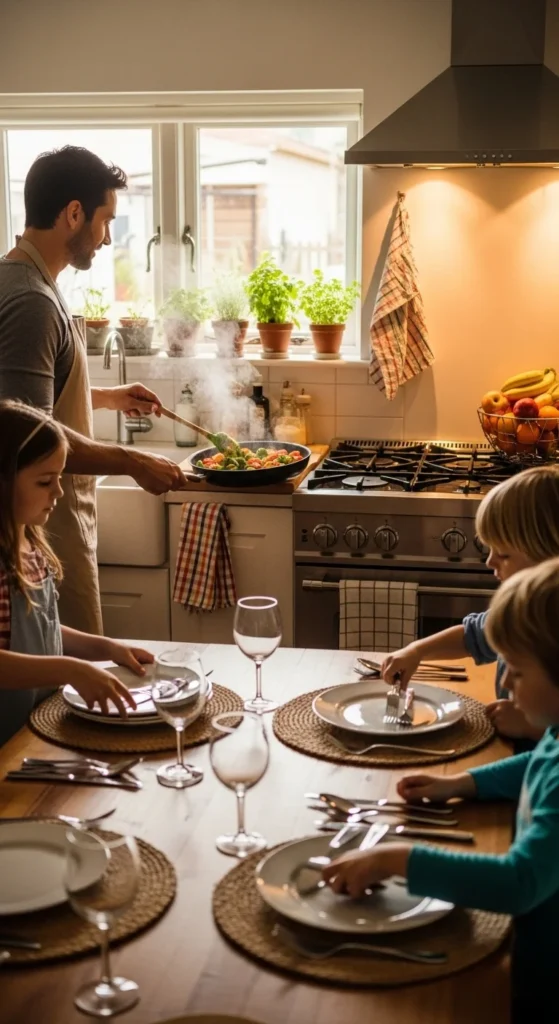
Below are practical, realistic ways to cook diet food that keeps the whole family coming back for seconds.
Start With Familiar Comfort Foods
One of the fastest ways to get buy-in from kids and adults alike is to build around meals they already love. Instead of reinventing dinner, upgrade it.
Think:
- Stir-fries instead of fried takeout
- Baked chicken instead of heavily breaded versions
- Homemade flatbreads with lighter toppings
Stick to familiar flavors, shapes, and textures. When food looks recognizable, people are far more open to trying it—even if it’s healthier.
Small swaps make a big difference:
- Use lean proteins
- Choose whole grains when possible
- Add vegetables gradually instead of all at once
Focus on Flavor First, Not “Diet”
The word “diet” often scares people away before they even take a bite. The trick is to cook for taste first, then let the health benefits be a bonus.
Seasoning is everything:
- Garlic, onion, herbs, citrus, and spices add bold flavor
- Toasting spices briefly brings out richness
- Finishing with fresh herbs boosts aroma and freshness
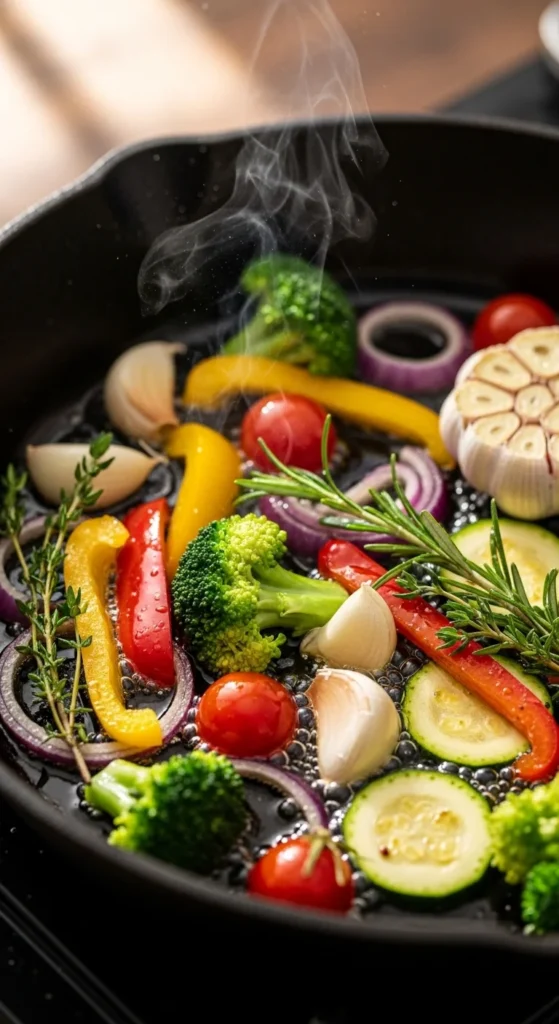
If food tastes amazing, no one will miss what’s been reduced or removed.
Build Balanced Plates Everyone Can Customize
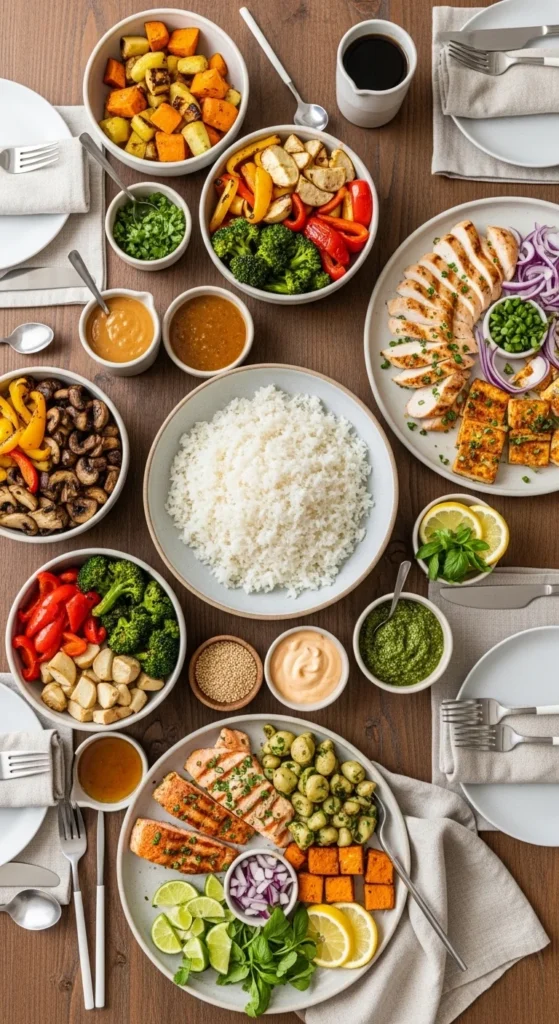
Customization keeps peace at the table. Instead of serving one rigid dish, try build-your-own meals that let everyone choose what they like.
Great options include:
- Grain bowls
- Wraps or lettuce cups
- Sheet-pan meals with mix-and-match sides
Set out a few toppings or sides so each person can adjust:
- Extra vegetables for adults
- Simple sides for kids
- Sauces on the side instead of mixed in
This approach prevents complaints while still keeping the core meal balanced and nourishing.
Make Vegetables Part of the Dish, Not the Enemy
Instead of serving vegetables as a separate “healthy side,” blend them into meals naturally.
Easy ways to do this:
- Mix chopped vegetables into sauces
- Add shredded vegetables to meat mixtures
- Roast vegetables until lightly caramelized for sweetness
Texture matters. Roasting, sautéing, or lightly crisping vegetables makes them far more appealing than steaming alone.
When vegetables feel like part of the dish—not an obligation—everyone eats more of them without noticing.
Keep Portions Reasonable Without Measuring
You don’t need scales or strict rules to keep portions balanced. Visual cues work better for families.
Try this method:
- Half the plate: vegetables or fruit
- One quarter: protein
- One quarter: grains or starches
Serve food family-style and let everyone listen to their appetite. When meals are satisfying and balanced, overeating becomes less likely.

Get the Family Involved in Cooking
People enjoy food more when they help make it. Getting kids involved—even in small ways—boosts interest and reduces resistance.
Simple tasks include:
- Washing vegetables
- Stirring sauces
- Choosing seasonings
Cooking together also teaches healthy habits without lectures. When kids feel proud of the meal, they’re far more likely to eat it.
Use Sauces and Toppings Strategically
Sauces can make or break a meal. Instead of drowning food, use small amounts to enhance flavor.
Smart sauce tips:
- Keep sauces on the side
- Use yogurt-based or herb-forward options
- Add acidity with lemon or vinegar for brightness
A little goes a long way, especially when the base ingredients are well-seasoned.
Plan for Leftovers Everyone Wants
If dinner is good enough to eat twice, you’re winning. Cook meals that rework easily into lunches or next-day dinners.
Examples:
- Roasted vegetables become wraps or bowls
- Cooked grains turn into quick stir-fries
- Leftover proteins add to salads or flatbreads
When healthy food is convenient, families are more likely to stick with it.
Final Takeaway
Cooking diet food the whole family will eat isn’t about restriction—it’s about smart choices, bold flavors, and flexibility. Keep meals familiar, season generously, and let everyone have a say. Healthy eating works best when it feels normal, satisfying, and shared.
Save this guide for your next meal plan and make family dinners something everyone looks forward to
Leave a Reply