

There’s nothing more stressful than cooking a beautiful lunch… only to serve it lukewarm when guests finally sit down. Timing multiple dishes, greeting visitors, and setting the table can quickly turn into a juggling act. The good news? You don’t need to keep food cooking to keep it warm. With a few smart tricks, you can serve meals that taste freshly made — without drying them out or overcooking.
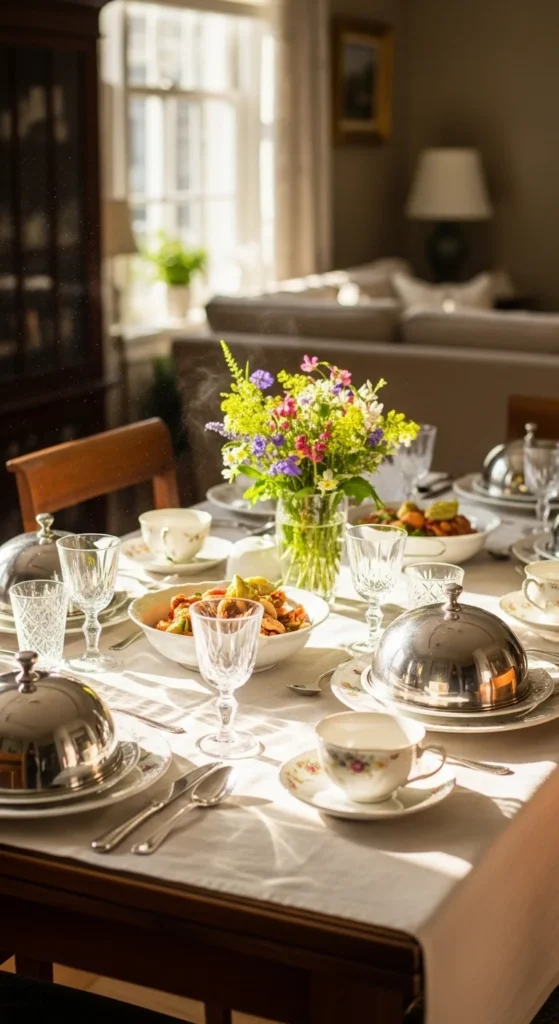
Whether you’re hosting a family gathering, weekend brunch, or casual lunch party, these easy methods will help you keep everything warm, fresh, and ready to impress.
Why Keeping Food Warm the Right Way Matters
Many people leave food on the stove or in the oven too long, thinking it will stay perfect. Unfortunately, constant heat keeps cooking the food, which can lead to:
- Dry rice or pasta
- Tough meat
- Overcooked vegetables
- Sauces that thicken too much
The goal is gentle warmth, not continued cooking. Think of it as holding food at a comfortable temperature until serving time.
Use Your Oven — The Smart Way
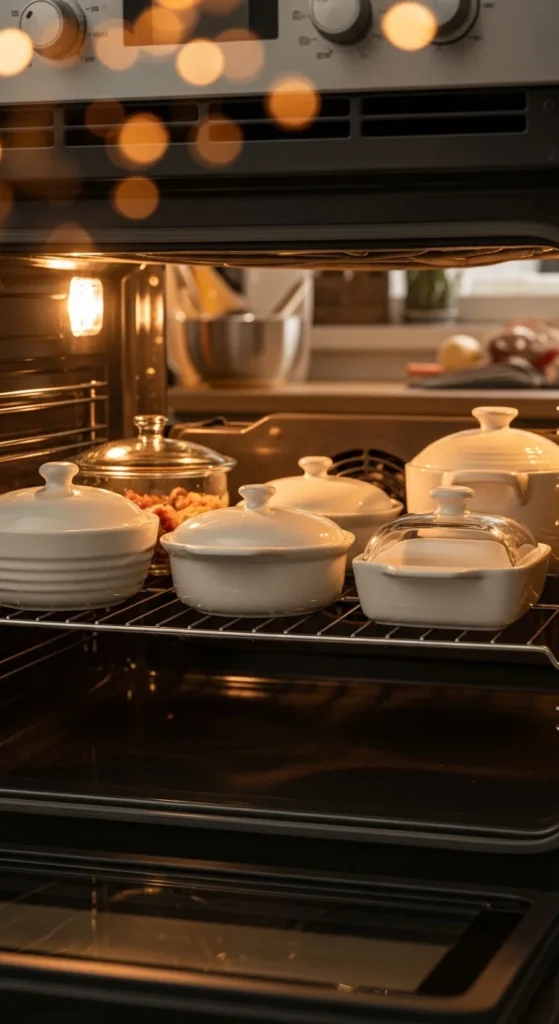
Your oven is one of the easiest tools for keeping lunch warm, but the secret is temperature control.
How to do it:
- Set the oven between 70–90°C (160–200°F).
- Cover dishes loosely with foil to prevent drying.
- Place a small oven-safe bowl of water inside to add moisture.
This method works especially well for:
- Baked dishes
- Fried foods
- Roasted vegetables
- Casseroles
Avoid sealing food tightly — trapped steam can make crispy foods soggy.
The Towel Trick (A Host’s Secret Weapon)
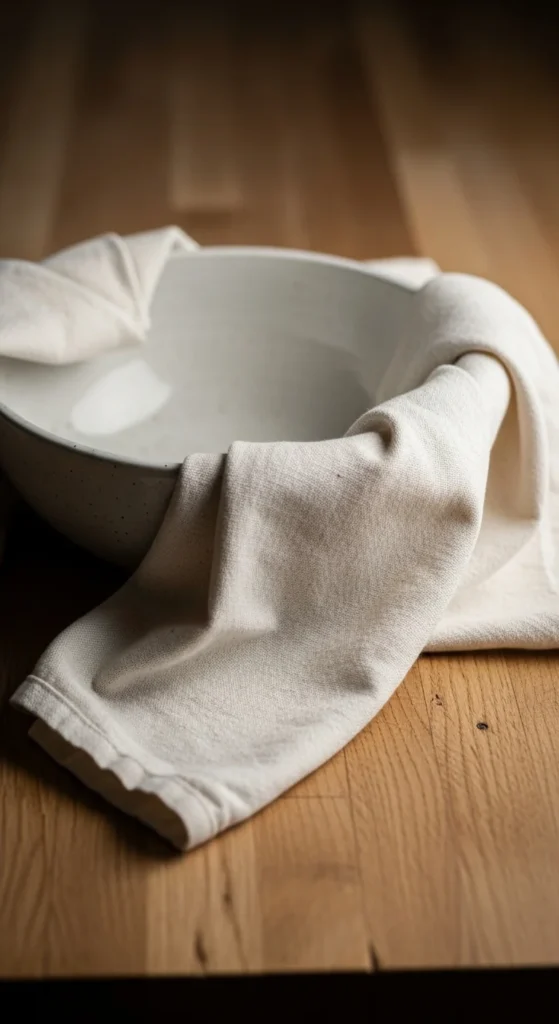
This simple trick is surprisingly effective and requires no special equipment.
Steps:
- Place hot food in a serving dish.
- Cover it with foil or a lid.
- Wrap the entire dish in a thick clean towel.
The towel traps heat naturally, keeping food warm for up to 30–45 minutes.
Best for:
- Rice dishes
- Biryani or pulao
- Bread baskets
- Cooked vegetables
Bonus tip: Warm the serving dish with hot water before adding food to extend heat retention.
Slow Cookers and Warm Settings
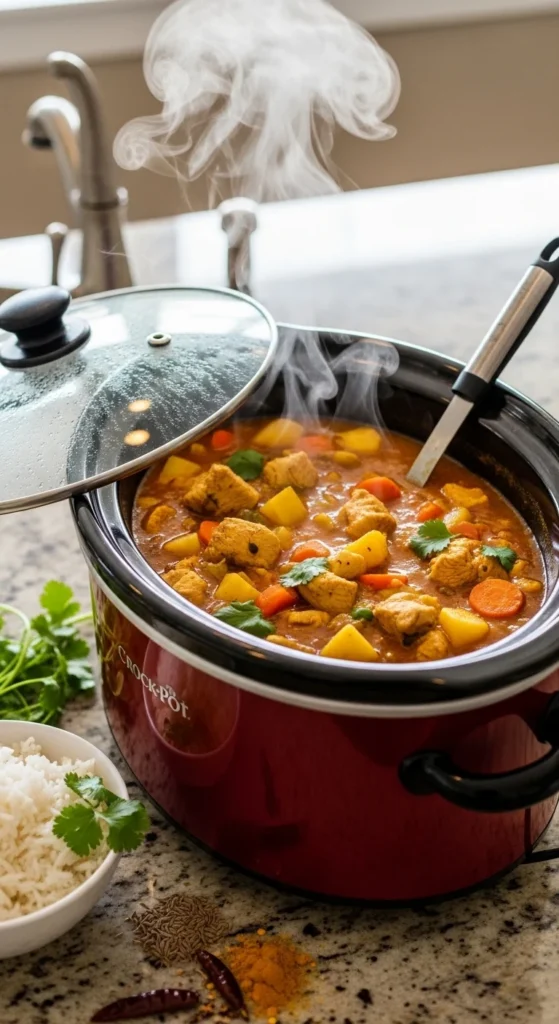
If you own a slow cooker, you already have one of the best warming tools available.
Use the “Warm” setting:
- Keeps food at safe serving temperature
- Prevents burning or drying
- Perfect for soups, curries, and gravies
Important reminder:
- Stir occasionally to distribute heat evenly.
- Add a splash of water or broth if the dish thickens.
This method is ideal when guests arrive at different times or when lunch becomes a relaxed, extended gathering.
Keep Foods Covered — Always
One of the fastest ways food loses heat is exposure to air. Covering dishes helps trap both warmth and moisture.
Easy covering options:
- Foil tents
- Glass lids
- Plate covers
- Insulated casserole carriers
If you’re setting up a buffet-style lunch, keep lids on dishes until guests are ready to serve themselves.
Pro tip: Open only one dish at a time to maintain overall warmth.
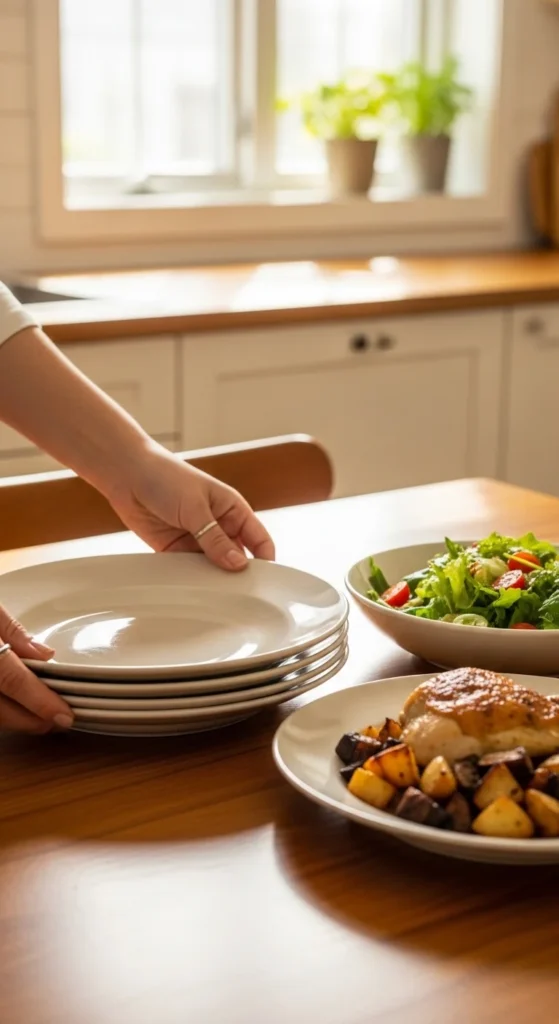
Warm the Serving Plates
This small detail makes a big difference — especially for foods like pasta, grilled chicken, or roasted meals.
Quick methods:
- Place plates in a low oven for 5 minutes.
- Rinse plates with hot water and dry immediately.
- Stack plates near a warm (not hot) oven.
Warm plates prevent food from cooling instantly after serving.
Separate Foods That Heat Differently
Not all dishes hold heat the same way. Mixing them too early can ruin textures.
Smart hosting strategy:
- Keep sauces separate until serving.
- Add fresh herbs or crunchy toppings last.
- Store fried foods away from steam-heavy dishes.
For example:
- Keep naan or bread wrapped separately.
- Add salad just before guests eat.
- Pour gravy over meat at serving time.
This keeps everything tasting freshly prepared.
Timing Is the Real Secret
Professional hosts rarely finish cooking exactly when guests arrive. Instead, they plan backward.
Try this simple timing approach:
- Finish cooking 20–30 minutes early.
- Move dishes to warming methods immediately.
- Use the extra time to set the table and relax.
Cooking early actually reduces stress — and your food stays better controlled.
Final Thoughts: Warm Food, Happy Guests
Keeping lunch warm doesn’t mean keeping it cooking. With gentle heat, smart covering, and a little planning, you can serve meals that feel freshly made even if they were finished earlier.
Hosting should feel joyful, not rushed. Use these easy tricks to stay calm, organized, and ready to enjoy your guests along with the meal.
Save this guide for your next gathering — your future hosting self will thank you!
Leave a Reply