

As your little one grows, so do their taste buds! By the time they’re around 1 year old, they’re ready for more diverse foods, but meal planning can feel tricky. You want to make sure they’re getting a balanced diet, while also introducing fun, new flavors. A mix-and-match weekly menu is a great way to make sure meals are varied, nutritious, and fun for both you and your baby. Here’s how you can easily create a weekly meal plan that works!
Step 1: Plan for Variety
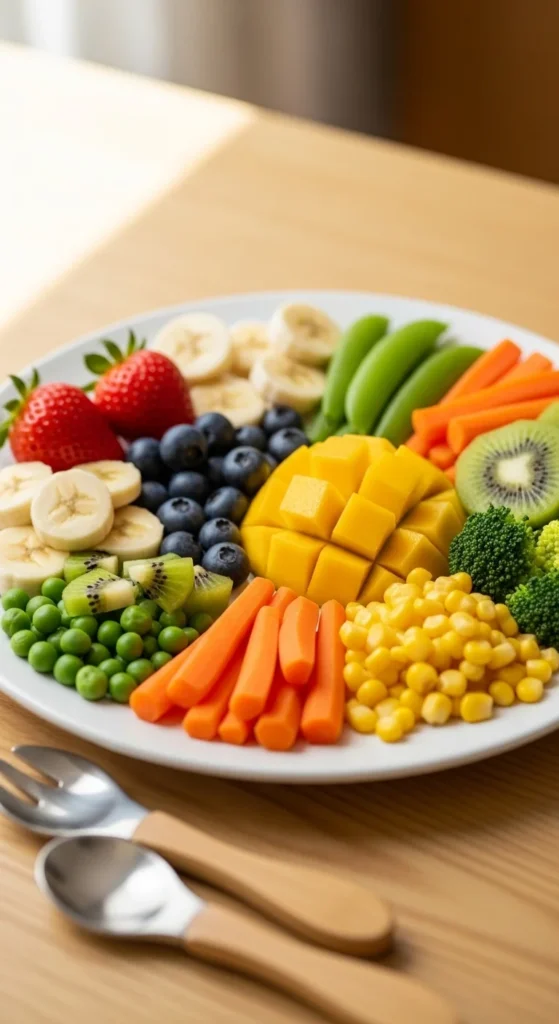
When creating a weekly menu for a 1-year-old, it’s important to include a variety of textures and flavors. Babies are still developing their preferences, so offering new experiences will help them get used to different foods. Here’s how you can break it down:
Protein
- Chicken, turkey, or beef (cooked and shredded)
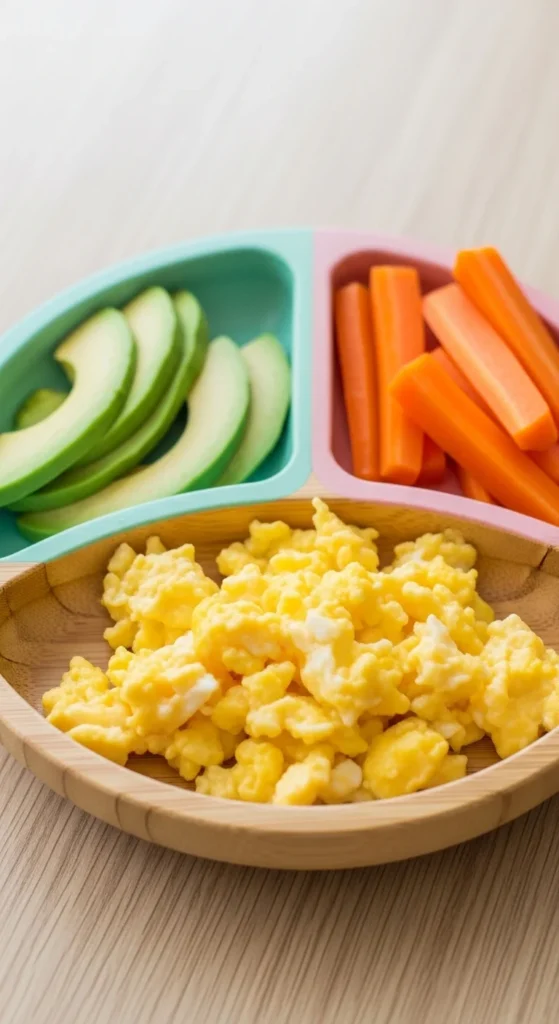
- Eggs (scrambled or in mini omelets)
- Lentils and beans (mashed or pureed)
- Tofu (cut into small pieces)
Grains
- Whole-grain toast or crackers
- Oatmeal (sweetened with fruit)
- Brown rice or quinoa (softened)
Vegetables
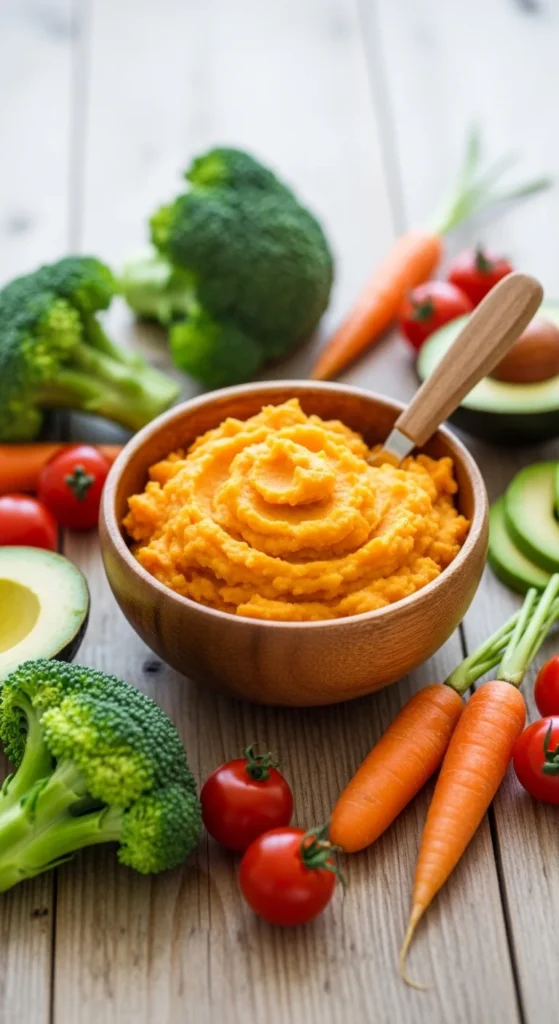
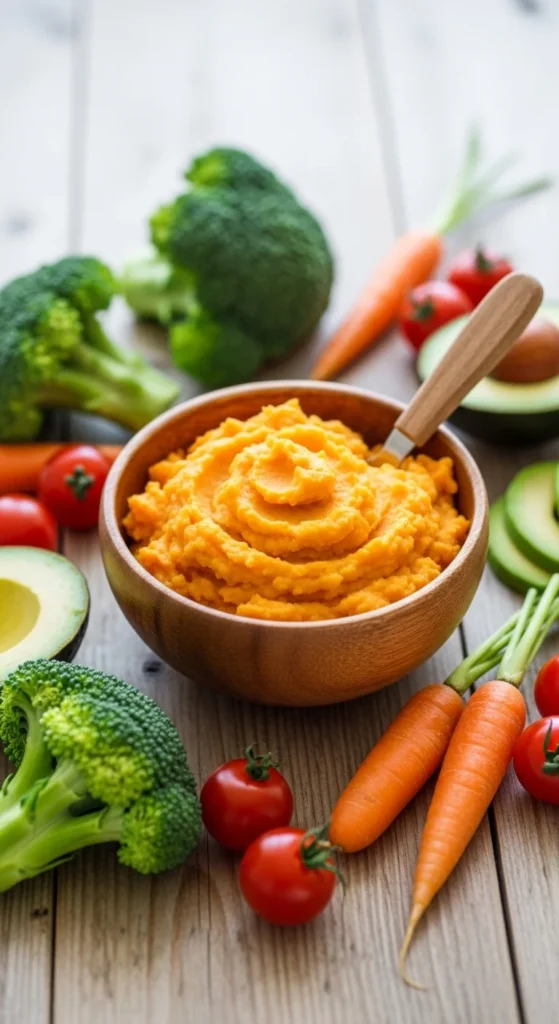
- Steamed carrots, peas, or sweet potatoes
- Avocado (sliced or mashed)
- Spinach or kale (chopped finely or pureed)
- Soft, well-cooked broccoli florets
Fruits
- Bananas (sliced or mashed)
- Apples (peeled and cooked into soft chunks)
- Peaches or pears (fresh or canned in natural juice)
- Berries (blueberries, raspberries—cut into tiny pieces)
Step 2: Mix-and-Match
Creating a flexible meal plan gives you the freedom to mix and match your baby’s meals. Let’s say you start with a base meal, like scrambled eggs or oatmeal, and then add in a fruit or veggie. Here are some combinations to get you started:
Breakfast Options:
- Scrambled eggs with a side of mashed avocado
- Oatmeal with pureed peaches and a sprinkle of cinnamon
- Whole-grain toast with almond butter and sliced bananas
- Mini pancakes with blueberries (softened for baby’s safety)
Lunch Options:
- Lentils and quinoa with steamed peas and carrots
- Shredded chicken, mashed sweet potatoes, and a side of soft fruit (like pears)
- Soft vegetable fritters (carrot and zucchini) with a slice of cheese
- Tofu pieces with avocado and mashed peas
Dinner Options:
- Mini beef meatballs with brown rice and steamed broccoli
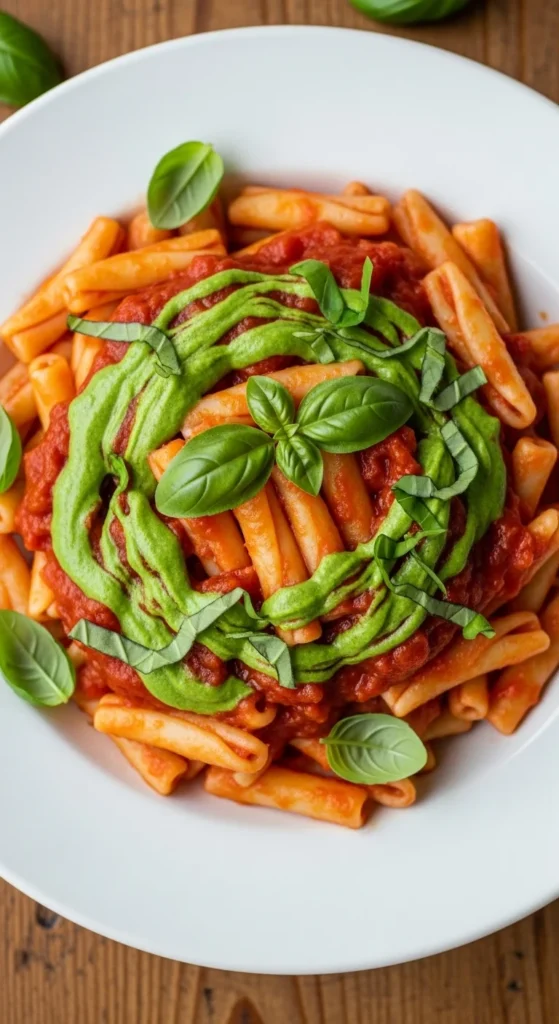
- Soft pasta with tomato sauce and pureed spinach
- Soft fish fillets with mashed potatoes and steamed green beans
- Chicken stir-fry with soft veggies (carrots, peas) and quinoa
Step 3: Keep It Simple (But Nutritious)
When preparing your baby’s meals, simplicity is key. You don’t have to create gourmet meals for a 1-year-old, but it’s important to ensure each meal is nutritionally balanced. Focus on using wholesome ingredients and avoid too many processed foods. Here’s how you can keep things simple while still ensuring a well-rounded diet:
- Use whole foods: Fresh fruits, vegetables, and lean proteins are always better than canned or prepackaged options.
- Cook in bulk: Make larger portions of meals (like oatmeal or soups) that can be easily stored and used for multiple meals throughout the week.
- Add healthy fats: Avocado, olive oil, and small amounts of butter can be great sources of fat for your baby’s brain development.
Step 4: Be Mindful of Allergens
At this stage, it’s important to introduce your baby to common allergens one at a time, so you can monitor for any allergic reactions. Some common allergens to watch out for include:
- Eggs
- Peanuts (in butter form)
- Dairy (cheese, milk, yogurt)
- Wheat (bread, pasta)
Introduce these foods individually and wait for a few days before adding another potential allergen. This helps you identify any foods that might cause a reaction.
Step 5: Meal Prep for the Week
To save time during the week, try meal prepping for your baby. Make extra servings of breakfast, lunch, or dinner and store them in the fridge or freezer. You can even create a few “grab-and-go” meals, such as:
- Mini omelets (freeze and warm up as needed)
- Pre-cut fruit in individual containers
- Mashed veggies ready for reheating
- Cooked grains or pasta stored in meal-sized portions
This allows you to have healthy, homemade meals ready to go without the stress of daily cooking!
Conclusion: A Week of Healthy, Happy Eating!
Creating a mix-and-match menu for your 1-year-old doesn’t have to be stressful. By planning ahead, offering a variety of nutritious foods, and keeping things simple, you can make mealtime fun and healthy for your little one. Save this meal plan for later and start mixing up different combinations that your baby will love!
This guide should help you get started with a weekly menu that’s not only easy to follow but also filled with delicious, healthy options. Happy feeding!
Leave a Reply