

Turning diet food into a sustainable lifestyle isn’t about restrictive eating or depriving yourself. It’s about making healthier choices that fit seamlessly into your daily routine. When we think of “diet food,” we often imagine bland meals and short-term goals, but the truth is, it can be the foundation for a lasting, enjoyable way of life. Here’s how to make it happen!
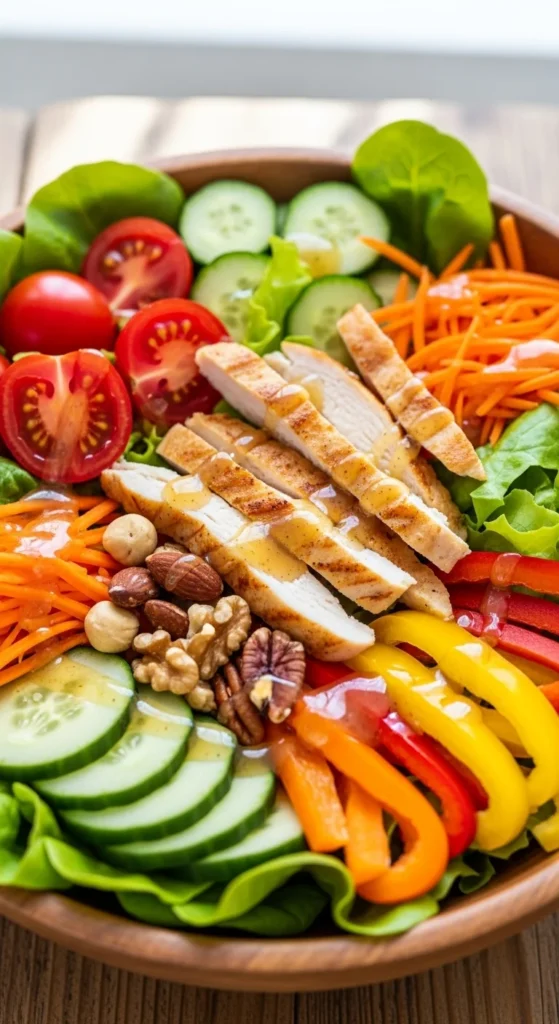
1. Start Slow: Make Small Changes
The key to transitioning diet food into a lifestyle is to begin with small, manageable changes. You don’t need to overhaul your entire eating plan overnight. Here’s how to begin:
- Swap unhealthy snacks: Instead of reaching for chips or candy, choose fruit, nuts, or whole grain crackers.
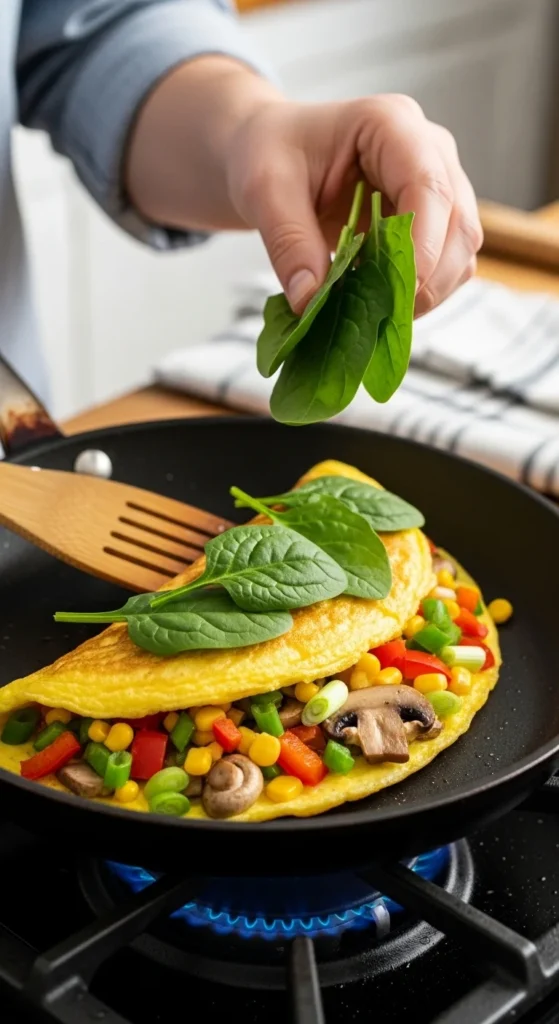
- Incorporate vegetables: Add a veggie to every meal, even breakfast! Think spinach in your scrambled eggs or bell peppers in your morning smoothie.
2. Focus on Whole Foods, Not Restrictions
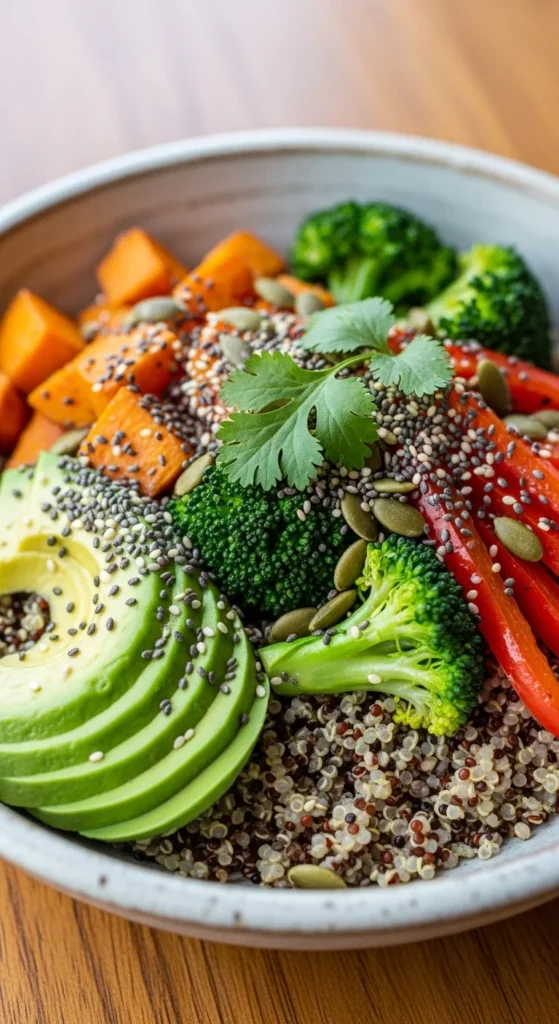
Instead of focusing on what you can’t have, think about what you can add to your meals. By focusing on whole, nutrient-dense foods, you’ll naturally fill up and feel satisfied without the need for calorie counting.
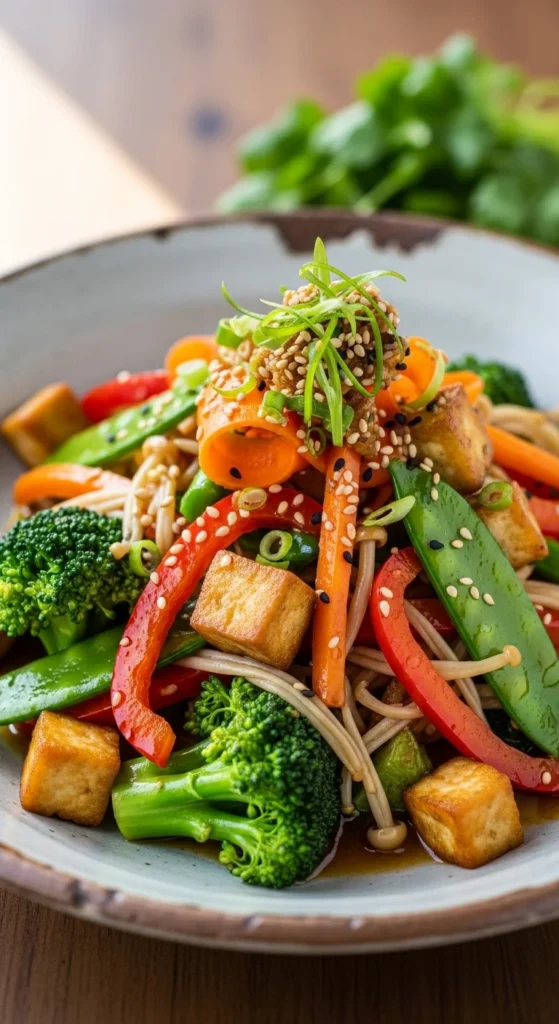
- Fruits and Vegetables: They should take up half of your plate. Fresh, seasonal produce is full of vitamins, minerals, and fiber.
- Lean Proteins: Include plant-based proteins like beans, lentils, or tofu, as well as lean meats like chicken or turkey.
- Whole Grains: Brown rice, quinoa, and oats are excellent sources of fiber and help keep you full longer.
3. Meal Prep for Success
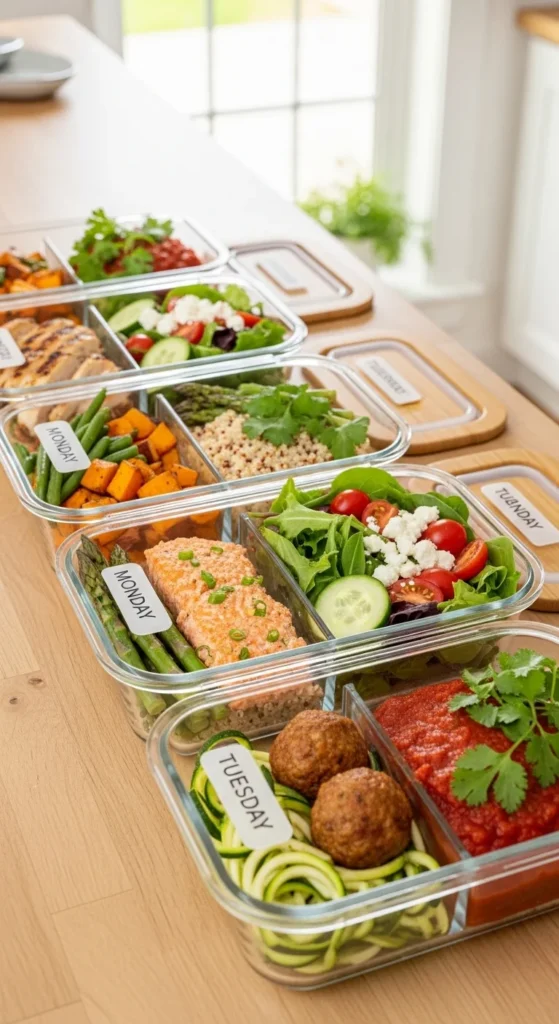
Meal prepping is one of the most effective ways to make diet food a part of your lifestyle. When you plan ahead, you’ll always have nutritious options available, reducing the temptation to grab something unhealthy.
- Plan your meals: Set aside time each week to create a meal plan that includes a variety of healthy, flavorful options.
- Batch cooking: Prepare larger portions of your meals and store them in airtight containers for easy grab-and-go meals throughout the week.
- Use portion control: Pre-portion your snacks and meals to help with portion control and avoid overeating.
4. Stay Hydrated
Sometimes, hunger can actually be a sign of dehydration. Drinking water throughout the day is essential for keeping your body functioning at its best and maintaining energy levels. Aim for at least eight glasses of water daily, and mix it up with herbal teas if needed.
- Infused water: Add fruits like lemon, berries, or cucumber to your water to make it more exciting.
- Avoid sugary drinks: Opt for water, sparkling water, or unsweetened tea instead of soda or sugary beverages.

5. Make It Enjoyable
Diet food doesn’t have to be boring! The more you enjoy what you’re eating, the more likely you are to stick with it.
- Get creative in the kitchen: Experiment with different herbs, spices, and seasonings to bring your meals to life. You can even try cooking with new ingredients like cauliflower rice or zucchini noodles.
- Balance is key: Enjoy your meals without guilt. A healthy lifestyle is about consistency, not perfection. It’s okay to have a treat every now and then – just make sure it’s in moderation!
Conclusion: Embrace the Journey
Turning diet food into a lifestyle is a gradual process. By making small changes, focusing on whole foods, and prepping ahead, you’ll be well on your way to creating a sustainable and enjoyable way of eating. Most importantly, keep the experience fun and stress-free – you’ve got this!
Save this guide for later and start making those small changes today!
Leave a Reply