

Eating lighter doesn’t have to mean bland food, confusing rules, or hours in the kitchen. Diet cooking is really about simple choices, smart methods, and confidence with basics. Once you understand a few core ideas, everything starts to click—and fast.
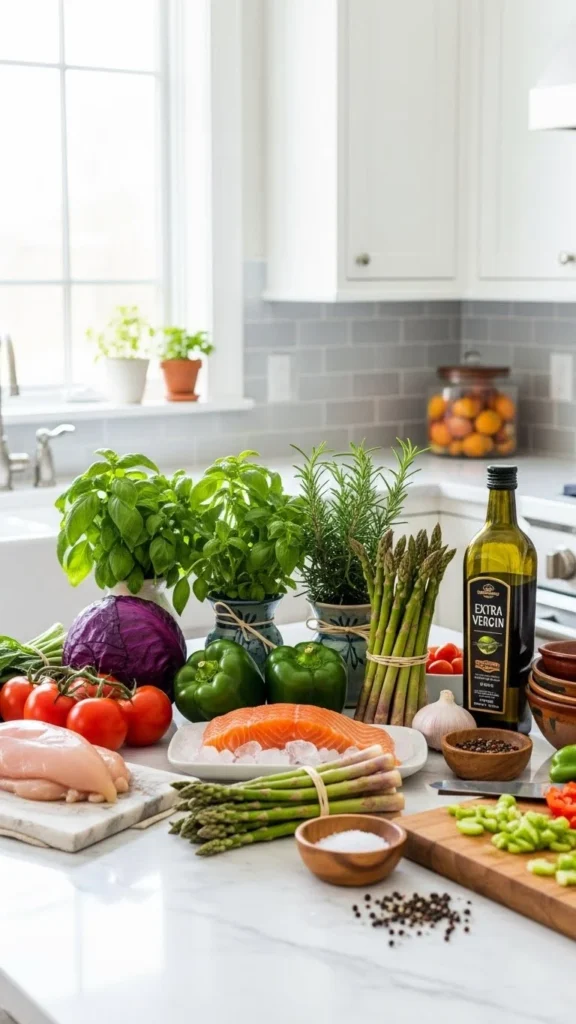
If you’re new to cooking lighter meals or want quicker results, this guide breaks it down step by step. No overwhelm. No complicated techniques. Just practical habits you can use today.
Understand What “Diet Cooking” Really Means
Diet cooking isn’t about strict rules or cutting everything you love. It’s about balance and intention.
At its core, diet-friendly cooking focuses on:
- Lean proteins
- Plenty of vegetables
- Smart carbs in moderate portions
- Cooking methods that don’t rely on heavy oils
Instead of asking, “What can’t I eat?”, ask:
- How can I make this lighter?
- Can I add more vegetables?
- Can I cook this differently?
This mindset shift alone speeds up learning because it removes fear and guilt from the kitchen.
Stock a Simple Diet-Friendly Pantry
A well-stocked pantry saves time and prevents unhealthy shortcuts. You don’t need fancy ingredients—just versatile basics.
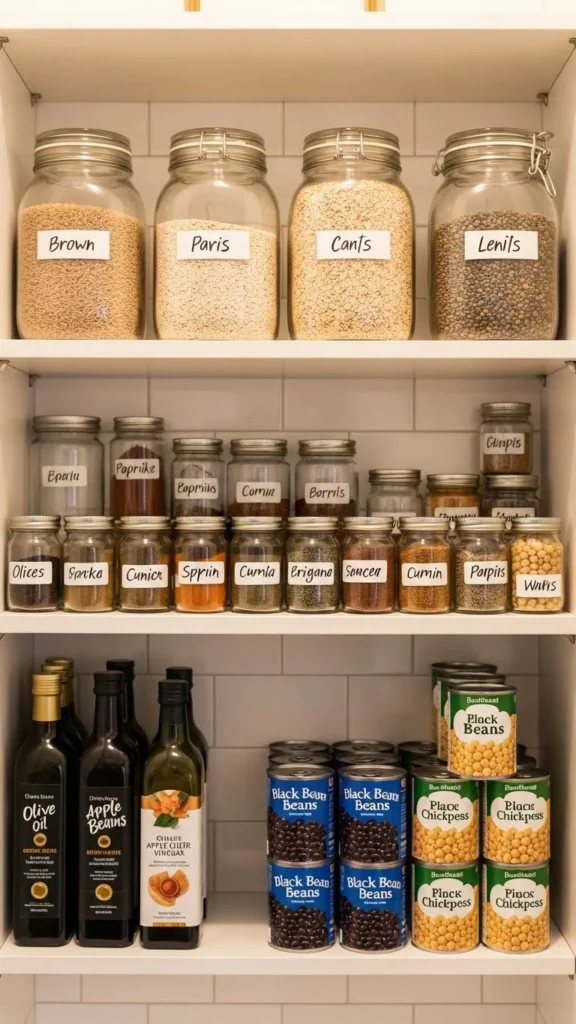
Focus on:
- Whole grains: brown rice, oats, quinoa
- Proteins: beans, lentils, eggs, chicken breast, fish
- Healthy fats: olive oil, nuts, seeds
- Flavor boosters: garlic, onions, herbs, spices, lemon
Tip: If an ingredient works in multiple meals, it earns a spot. This keeps cooking fast and stress-free.
Learn the Fastest Cooking Methods First
Some cooking techniques naturally support lighter meals—and they’re easy to master.
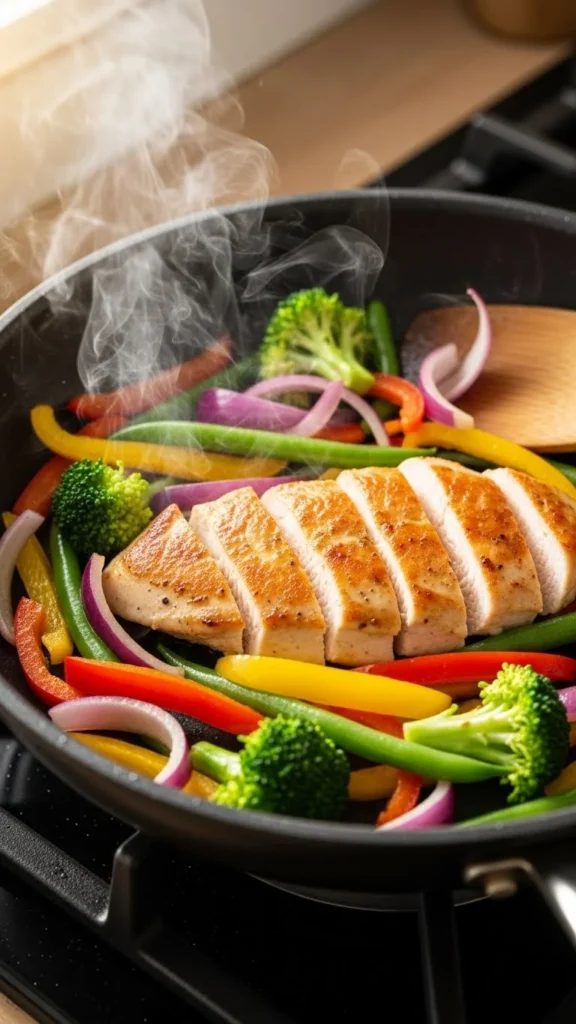
Start with these:
- Grilling: Adds flavor without extra fat
- Stir-frying: Quick cooking with very little oil
- Baking or roasting: Great for vegetables and proteins
- Steaming: Preserves nutrients and keeps meals light
Avoid drowning food in oil. Instead, measure it. One teaspoon often goes much further than you think.
Build Meals Using the Plate Method
One of the fastest ways to learn diet cooking is by visual balance—not calorie counting.
Use this simple plate formula:
- Half the plate: Vegetables
- One quarter: Lean protein
- One quarter: Whole grains or starchy vegetables
This method works for:
- Lunch bowls
- Dinner plates
- Meal prep containers
Once you get used to this structure, meal planning becomes almost automatic.
Master Flavor Without Heavy Ingredients
Many beginners think lighter food lacks taste. The truth? Flavor comes from seasoning and technique, not heavy sauces.
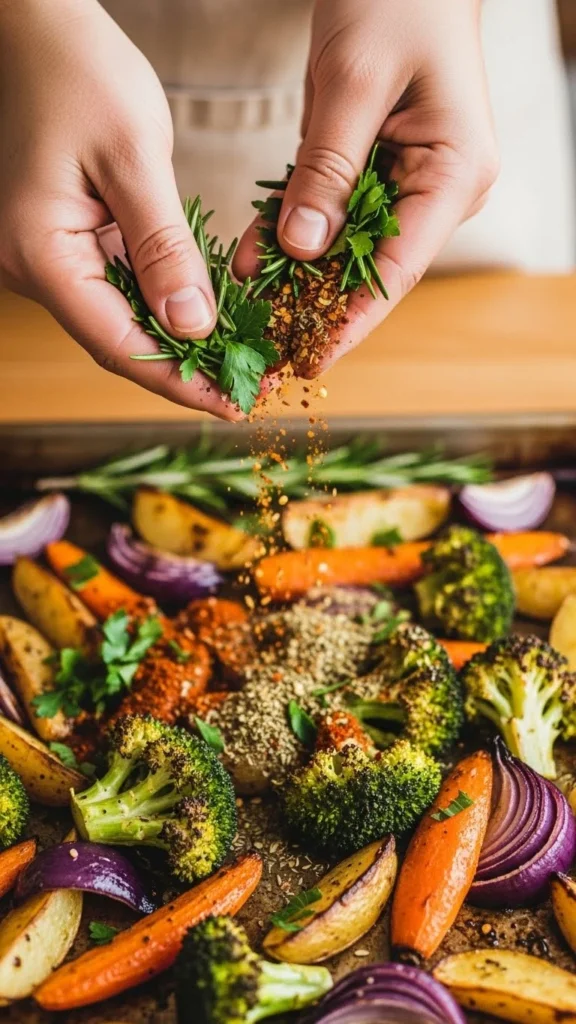
Boost flavor with:
- Fresh herbs like parsley or cilantro
- Spices such as paprika, cumin, garlic powder
- Citrus juice or zest
- Slow roasting to caramelize vegetables
Taste as you cook. Adjust seasoning gradually. This builds confidence fast.
Practice With Repeatable “Go-To” Meals
Speed comes from repetition. Pick 3–5 simple meals and rotate them until they feel effortless.
Good starter meals:
- Grilled chicken with roasted vegetables
- Veggie-packed omelet
- Stir-fried vegetables with rice
- Lentil or bean-based bowls
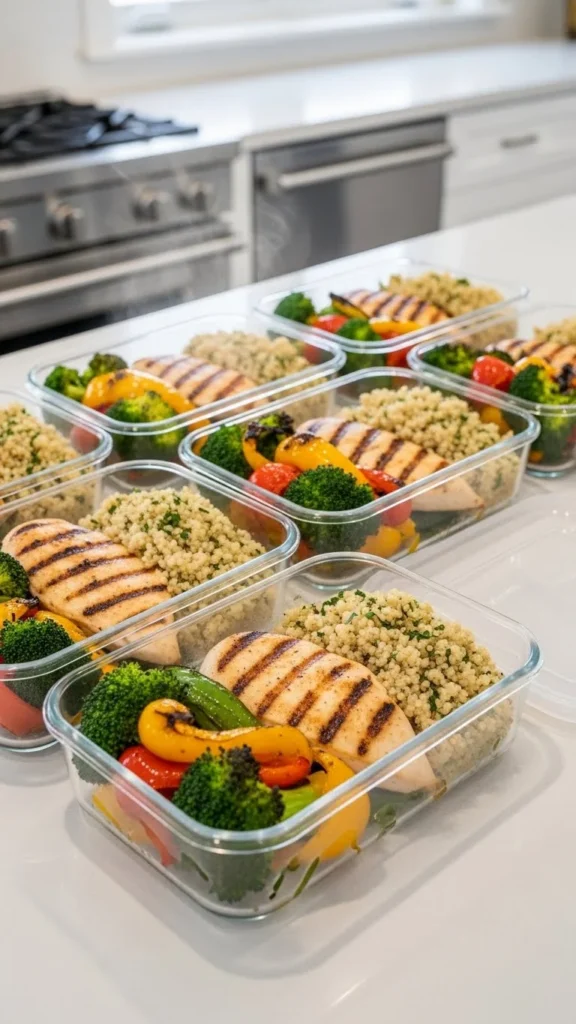
Once these meals become second nature, experimenting feels much easier.
Read Labels Without Overthinking
You don’t need to memorize nutrition charts. Just scan for a few basics:
- Short ingredient lists
- Lower added sugars
- Familiar ingredients you recognize
If a label feels confusing, skip it. Whole foods rarely need explanations.
Cook Once, Eat Twice
One of the biggest barriers to diet cooking is time. Solve that by cooking smarter.
Try:
- Making double portions
- Roasting extra vegetables
- Cooking grains in bulk
Leftovers mean faster meals and fewer impulsive choices later.
Final Takeaway: Keep It Simple and Consistent
Learning diet cooking fast isn’t about perfection—it’s about building habits that stick. Start small. Cook often. Repeat what works.
Every meal you make builds confidence. Every simple swap moves you forward.
Save this guide, pick one tip to try today, and step into the kitchen knowing you’ve got this.
Leave a Reply