

Starting a diet can feel overwhelming. One minute you’re motivated, the next you’re staring at your fridge wondering what you’re actually allowed to eat. The good news? Eating diet food doesn’t mean boring meals or strict rules. It’s about learning simple habits that help you feel better, eat smarter, and stay consistent without stress.
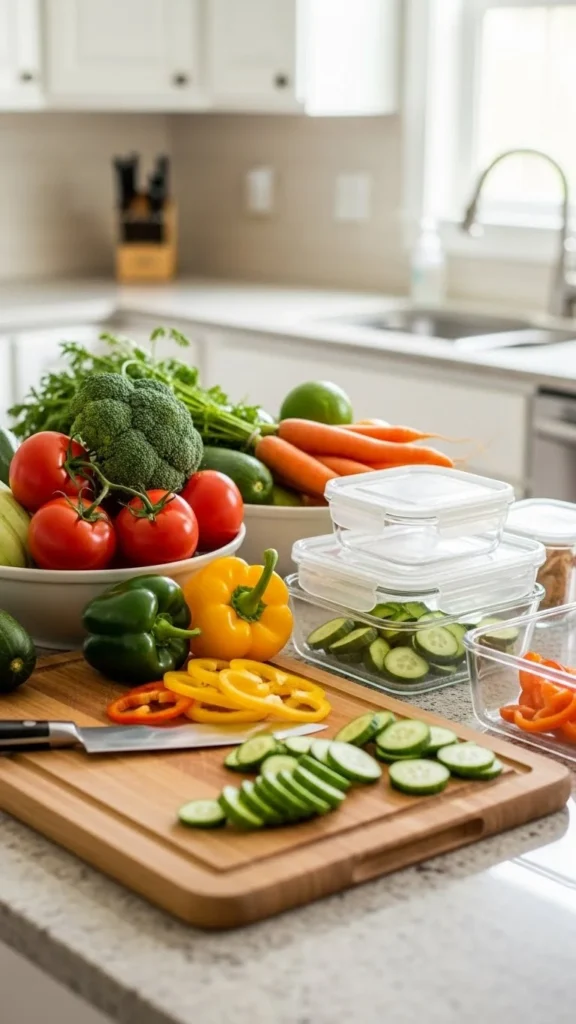
If you’re a beginner, this guide will walk you through the basics step by step—no extremes, no confusion, just practical changes you can actually stick with.
Understand What “Diet Food” Really Means
Diet food isn’t a special category found in a separate aisle. It’s mostly everyday food prepared in a smarter way.
Instead of focusing on what to cut out, focus on what to add:
- More whole foods
- More balance on your plate
- More awareness of portions
Diet-friendly eating usually includes:
- Vegetables and fruits
- Lean protein sources
- Whole grains
- Healthy fats in small amounts
This approach keeps you full, energized, and less likely to quit after a few days.
Start With Small, Realistic Changes
Trying to change everything at once often leads to burnout. Begin with one or two habits and build from there.
Easy starter steps:
- Swap fried foods for grilled or baked options
- Add one extra vegetable to your meals
- Drink more water throughout the day
- Reduce sugary snacks instead of eliminating them overnight
These small wins build confidence and make healthy eating feel doable, not restrictive.
Learn How to Build a Balanced Plate
A balanced plate helps you eat enough without overeating. It also keeps cravings under control.
A simple visual guide:
- Half your plate: vegetables
- One quarter: protein
- One quarter: whole grains or healthy carbs
- A small portion of healthy fats
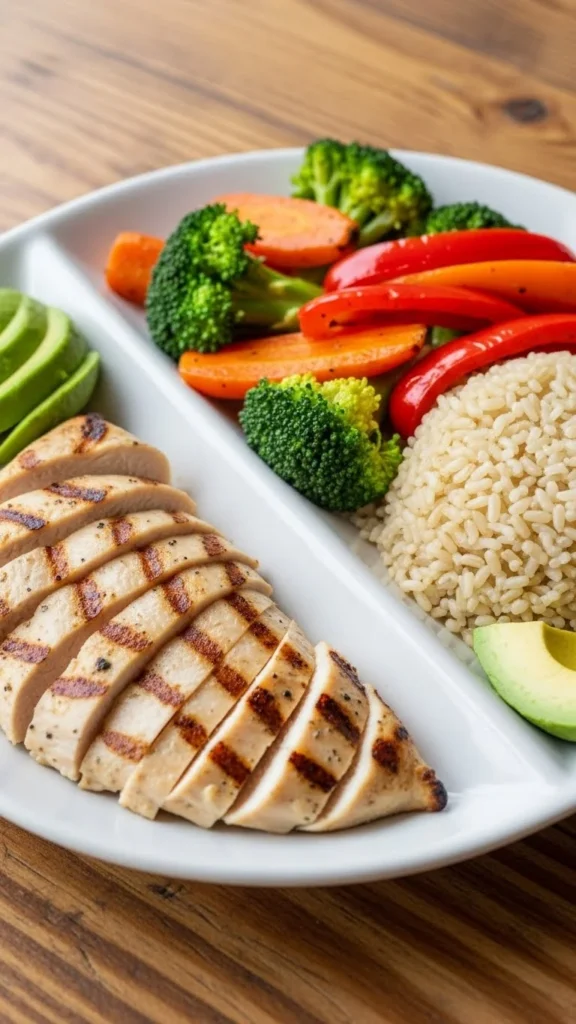
You don’t need exact measurements at first. Just aim for balance and variety.
Choose Beginner-Friendly Diet Foods
Some foods are easier to work with when you’re just starting out. They’re simple to cook, filling, and versatile.
Good beginner options include:
- Eggs
- Oatmeal
- Yogurt
- Chicken or fish
- Beans and lentils
- Rice or whole-grain bread
- Fresh or frozen vegetables
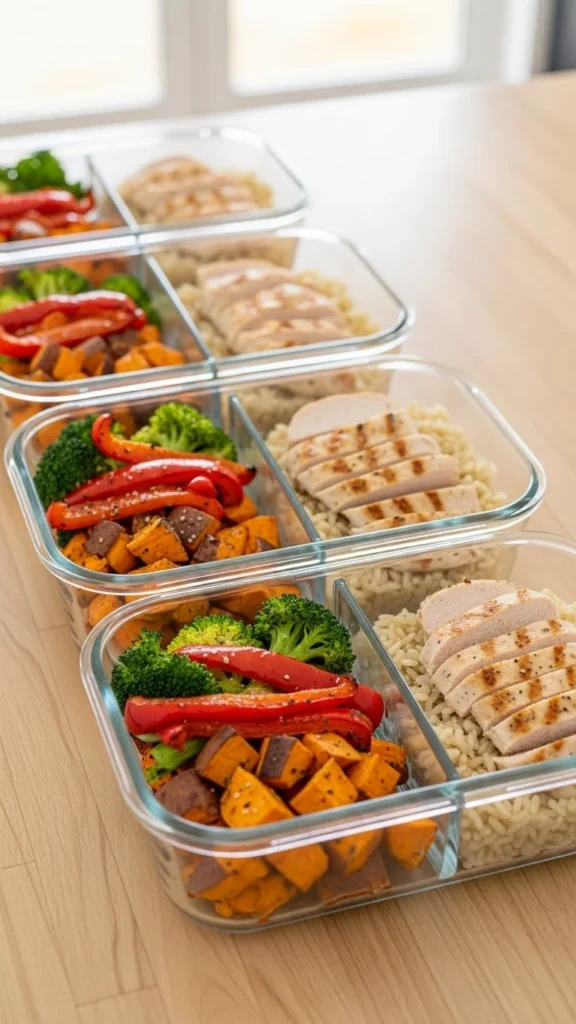
Keep your meals familiar. You can always experiment later once you feel more confident.
Make Cooking Simple and Stress-Free
You don’t need complex recipes to eat well. In fact, simple meals are easier to repeat consistently.
Try these beginner cooking ideas:
- One-pan meals with vegetables and protein
- Stir-fries with minimal oil
- Soups loaded with vegetables
- Basic salads with homemade dressing
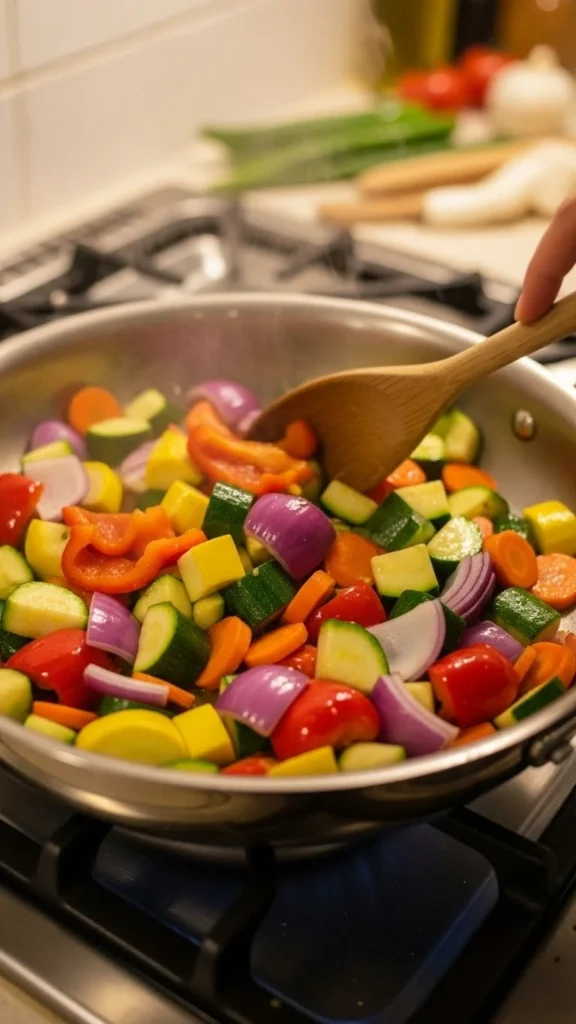
Cooking at home gives you control over ingredients and portions, which is key when starting a diet.
Watch Portions Without Obsessing
Portion control doesn’t mean tiny meals. It means eating the right amount for your body.
Helpful tips:
- Use smaller plates
- Eat slowly and stop when comfortably full
- Avoid eating straight from packages
- Serve snacks in bowls instead of grabbing handfuls
Listening to hunger cues is more important than counting every calorie.
Plan Ahead to Avoid Bad Choices
Most unhealthy eating happens when you’re tired, rushed, or unprepared. Planning removes that pressure.
Simple planning ideas:
- Prep meals or ingredients once or twice a week
- Keep healthy snacks within reach
- Decide meals ahead of time
- Shop with a list
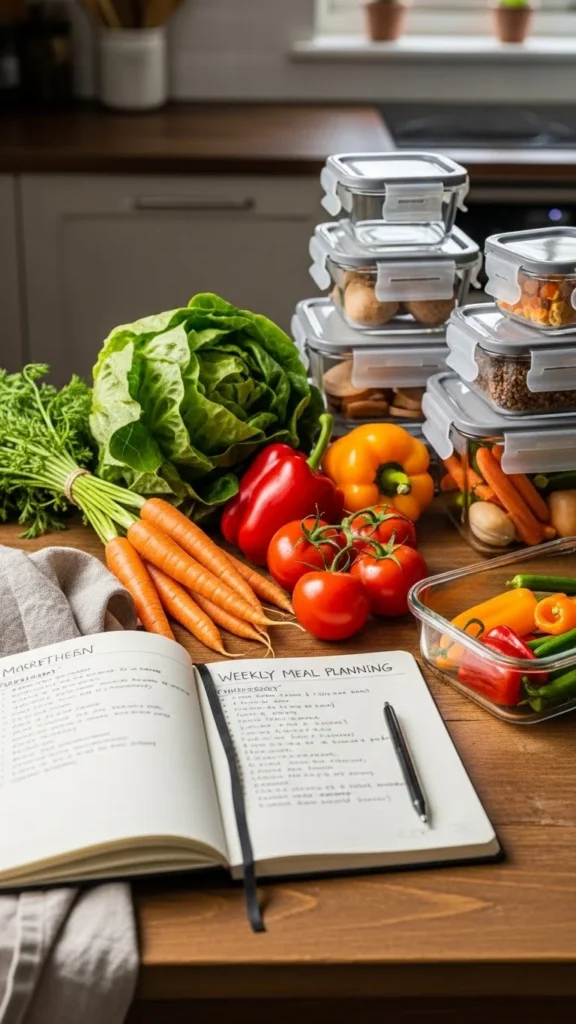
Even basic planning can make a huge difference in staying on track.
Be Kind to Yourself and Stay Consistent
You won’t eat perfectly every day—and that’s okay. Progress comes from consistency, not perfection.
Remember:
- One meal doesn’t ruin your diet
- Slipping up doesn’t mean starting over
- Learning takes time
Focus on building habits you can maintain long term. When healthy eating feels normal, results follow naturally.
Final Takeaway
Starting to eat diet food as a beginner doesn’t have to be complicated or strict. Keep meals simple, focus on balance, and make small changes you can stick with. Over time, those small steps add up to a healthier lifestyle you actually enjoy.
Save this guide for later, and take it one meal at a time—you’ve got this.
Leave a Reply