

Trying to lose weight doesn’t fail because of what you eat—it often fails because of when you eat. Skipped meals, rushed snacks, and late-night grazing can quietly undo your best intentions. A smart meal schedule creates rhythm, reduces cravings, and keeps energy steady all day long.
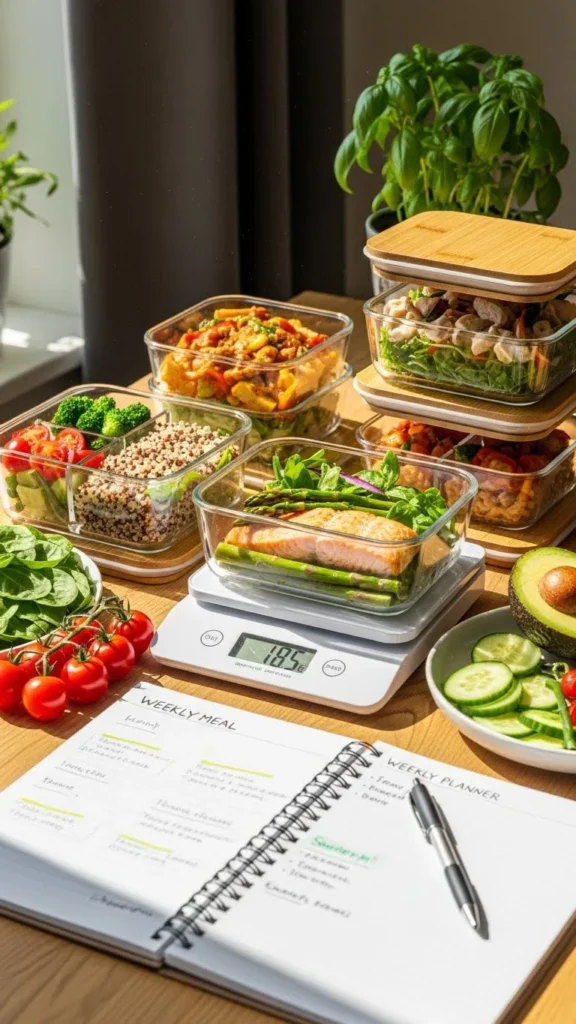
Below is a simple, realistic guide to scheduling diet meals for weight loss—no extremes, no confusion, just habits that actually stick.
Why Meal Timing Matters for Weight Loss
Meal timing helps control hunger hormones, blood sugar swings, and impulsive eating. When your body knows food is coming at regular intervals, it stops panicking and craving quick calories.
A consistent schedule can:
- Reduce overeating later in the day
- Support better digestion
- Improve energy and focus
- Make portion control feel easier
You don’t need perfection—just consistency.
Start With a Simple Daily Meal Framework
Instead of obsessing over calories every hour, build a structure your body can rely on.
Most people do well with:
- 3 balanced meals
- 1–2 planned snacks (if needed)
A beginner-friendly structure:
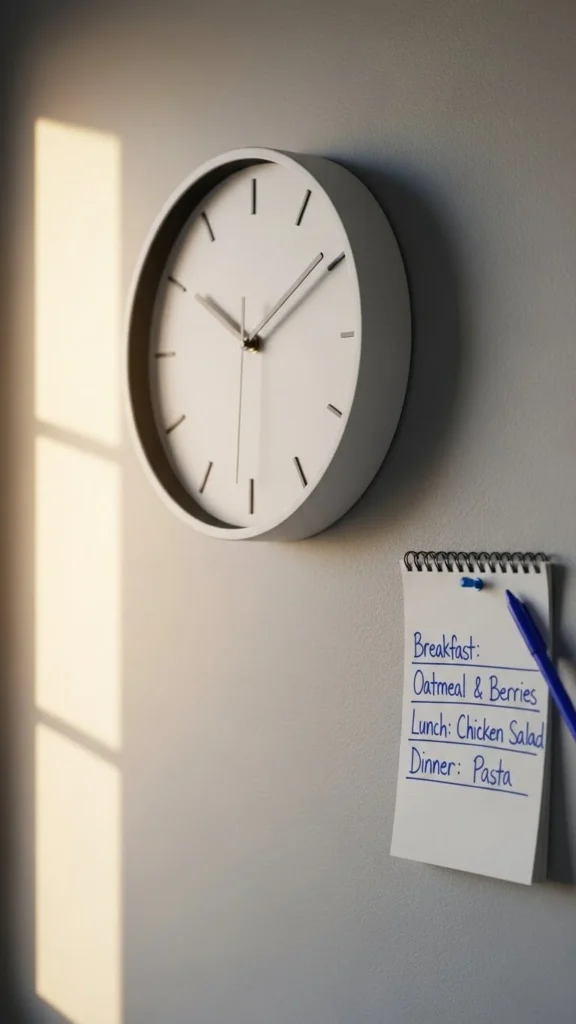
- Breakfast: 7–9 AM
- Lunch: 12–2 PM
- Snack: 3–4 PM (optional)
- Dinner: 6–8 PM
This spacing prevents long gaps that lead to overeating.
Schedule Breakfast to Set the Tone
Breakfast doesn’t need to be heavy, but it should be intentional. Eating earlier helps regulate appetite for the rest of the day.
Focus on:
- Protein for fullness
- Fiber for digestion
- Simple prep for busy mornings
Examples:
- Eggs with vegetables
- Yogurt with fruit and seeds
- Oats with nuts
Try to eat within 1–2 hours of waking to avoid energy crashes.
Plan Lunch Before Hunger Takes Over
Lunch is where many weight-loss plans fall apart—usually because it’s rushed or unplanned.
To stay on track:
- Schedule lunch before extreme hunger hits
- Eat away from screens when possible
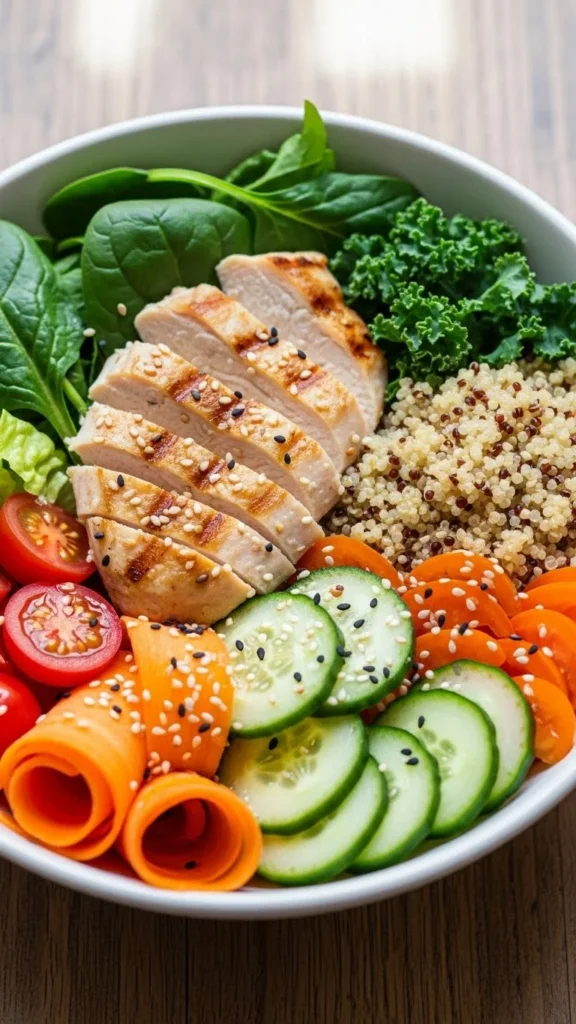
- Include protein, vegetables, and a filling base
Helpful tip:
Prepare lunches in advance so the decision is already made.
Use Snacks Strategically (Not Emotionally)
Snacks are optional—not mandatory. They work best when they prevent overeating later, not when they fill boredom.
Good times for a snack:
- Long gap between lunch and dinner
- Physically active afternoons
- Low-energy moments
Smart snack ideas:
- Fruit with nuts
- Cottage cheese with berries
- Vegetables with hummus
If you’re not hungry, skip it.
Schedule Dinner Early Enough to Wind Down
Late dinners can disrupt digestion and sleep, which affects weight loss. Try to schedule dinner at least 2–3 hours before bedtime.
Dinner should feel satisfying, not heavy.
Aim for:
- Lean protein
- Plenty of vegetables
- Controlled portions of starches

Create a Weekly Meal Schedule That Fits Real Life
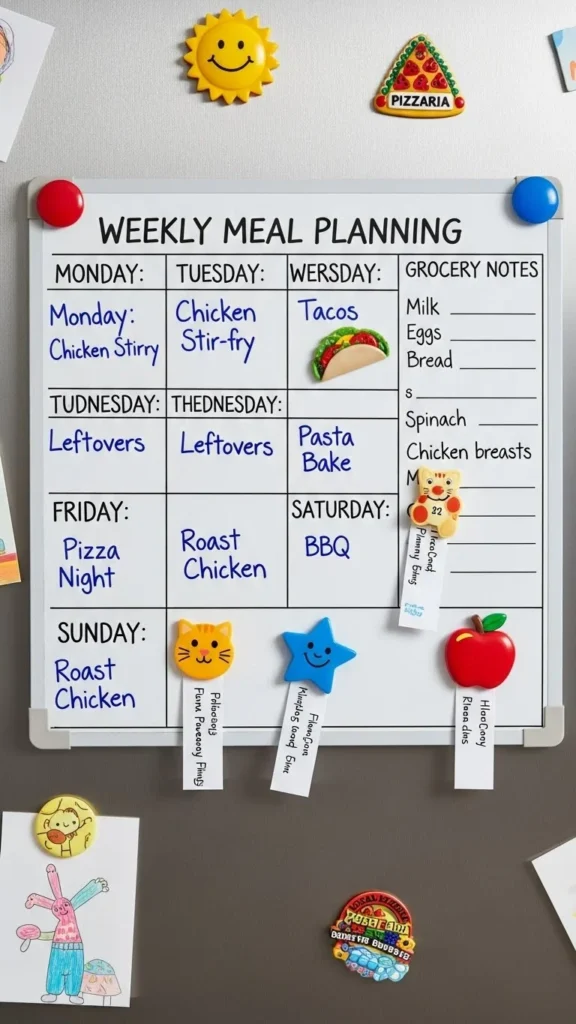
Instead of planning perfectly every day, plan patterns.
Try this approach:
- Same breakfast on weekdays
- Two rotating lunch options
- Simple dinners with flexible ingredients
Write it down or save it on your phone. Seeing your schedule reduces last-minute decisions.
Adjust Your Schedule Without Guilt
Life happens. Missed meals, late nights, or busy days don’t mean failure.
When things shift:
- Return to your next scheduled meal
- Avoid doubling portions to “catch up”
- Keep hydration steady
Consistency over time matters more than any single day.
Make Meal Scheduling Sustainable
The best schedule is the one you can follow without stress.
Ask yourself:
- Can I maintain this on busy days?
- Does it reduce decision fatigue?
- Do I feel satisfied, not restricted?
If the answer is yes, you’re on the right path.
Final Takeaway
Scheduling diet meals isn’t about rigid rules—it’s about creating calm, predictable eating patterns that support weight loss naturally. Start simple, stay flexible, and let consistency do the heavy lifting.
Save this guide for later and start building a meal schedule that actually works for your life.

Leave a Reply