

If calorie counting has ever made you feel overwhelmed, you’re not alone. Numbers can quickly turn eating into a chore instead of something enjoyable. The good news? You can build balanced, satisfying meals without tracking every bite. It’s about listening to your body, choosing smarter portions, and creating simple habits that work long term.
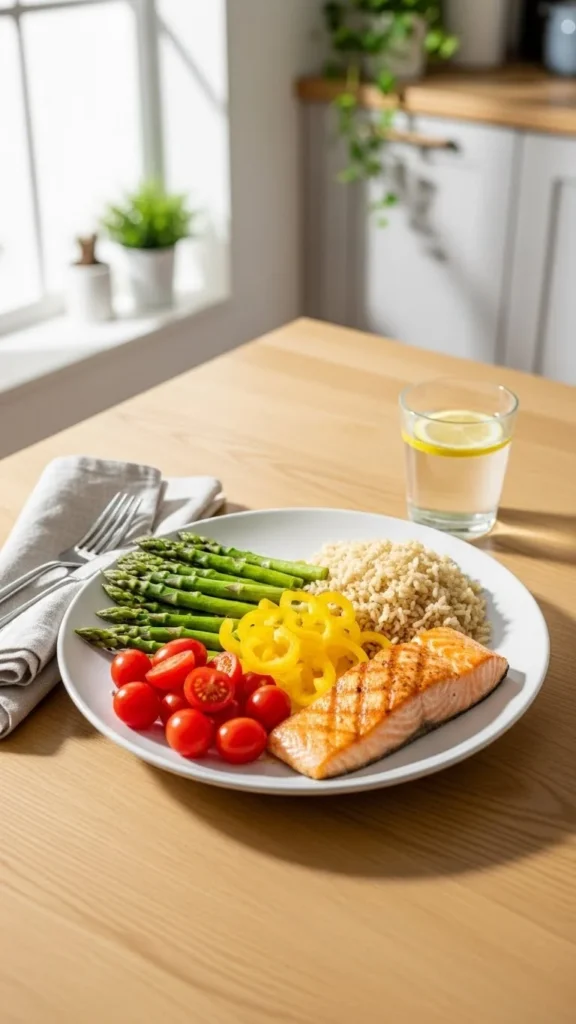
Focus on Food Groups, Not Numbers
Instead of worrying about calories, think in food groups. Balanced meals naturally regulate energy when they include the right mix.
Aim to build meals around:
- Vegetables and fruits for volume and nutrients
- Protein for fullness and steady energy
- Whole grains or starchy vegetables for lasting fuel
- Healthy fats for satisfaction and flavor
A simple visual rule works well:
- Half your plate: vegetables or fruit
- One quarter: protein
- One quarter: grains or starchy veggies
- A small drizzle or scoop of healthy fat
This approach keeps meals flexible and stress-free.
Use Your Plate as a Portion Guide
Portion control doesn’t require measuring cups. Your plate can do the work for you.
Helpful portion cues:
- Protein about the size of your palm
- Grains roughly a closed fist
- Fats about the size of your thumb
- Vegetables can be generous
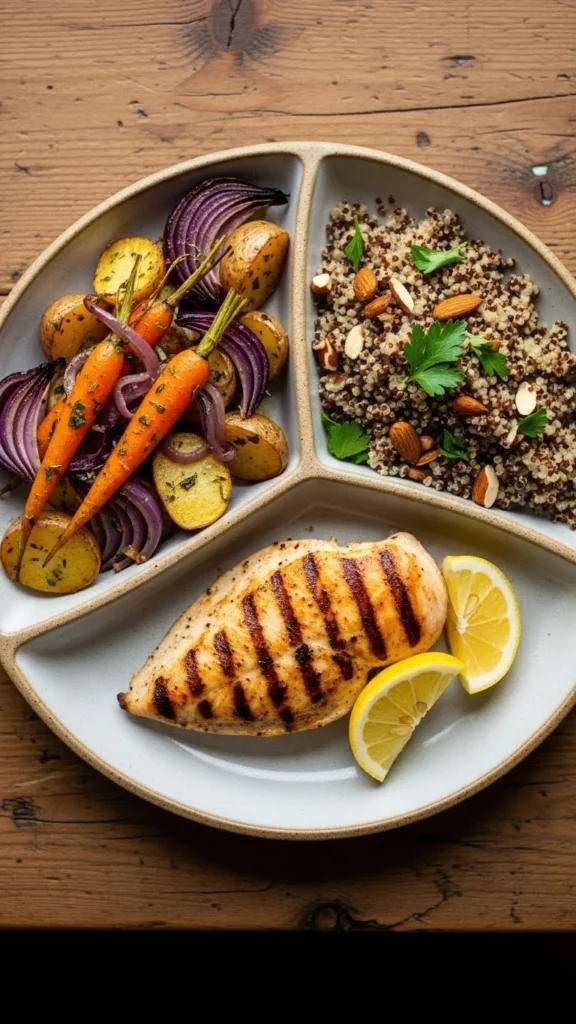
By repeating this visual balance, your meals stay consistent without tracking anything.
Build Meals That Keep You Full Longer
Feeling satisfied is the secret to avoiding constant snacking. Balanced meals prevent energy crashes.
Focus on:
- Protein at every meal to slow digestion
- Fiber-rich foods like vegetables, beans, and whole grains
- Healthy fats to add staying power
Try combining:
- Grilled vegetables with quinoa and yogurt-based dressing
- Eggs with sautéed greens and whole-grain toast
- Rice bowls with beans, vegetables, and avocado
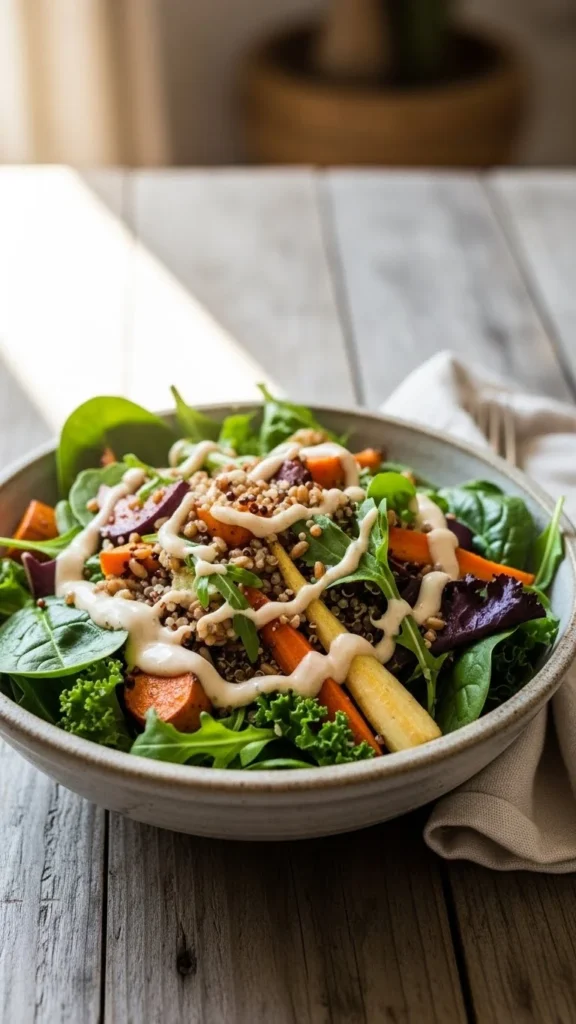
When meals are satisfying, you naturally eat less later.
Eat Mindfully and Slow Things Down
Balancing food isn’t only about what’s on your plate. How you eat matters just as much.
Simple mindful habits:
- Sit down for meals whenever possible
- Put your fork down between bites
- Notice flavors, textures, and temperature
- Stop eating when you feel comfortably full, not stuffed
Slowing down gives your body time to signal satisfaction, making portion control feel automatic.
Snack With Purpose, Not Rules
Snacks don’t need strict limits. They just need balance.
Better snack ideas include:
- Fruit with nut butter
- Yogurt with seeds
- Vegetables with hummus
- Cheese with whole-grain crackers
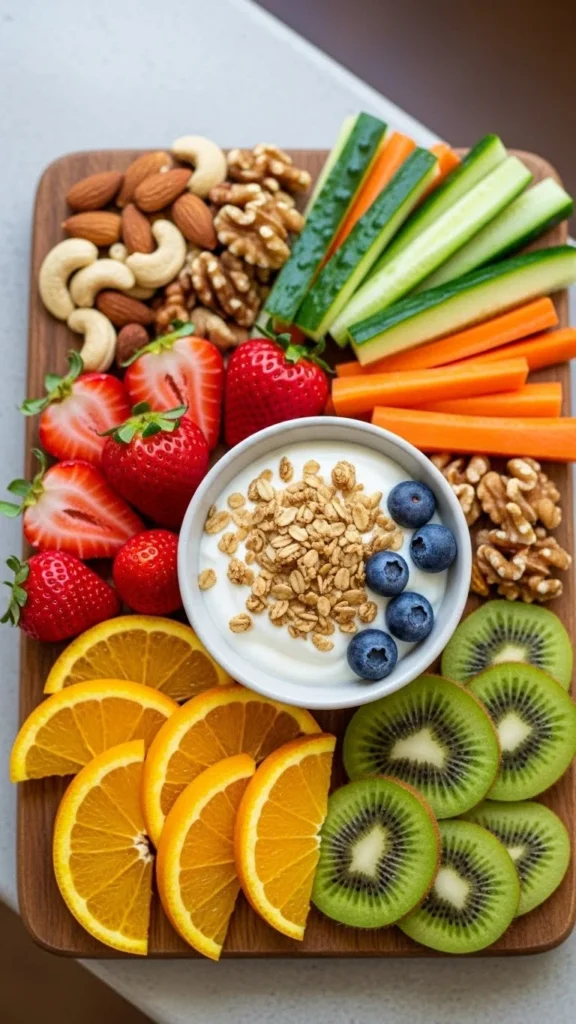
A balanced snack prevents overeating at your next meal.
Pay Attention to Hunger and Energy Cues
Your body gives feedback all day long. Learning to read it makes calorie counting unnecessary.
Ask yourself:
- Am I physically hungry or just bored?
- Do I feel energized after meals or sluggish?
- Does this portion keep me satisfied for hours?
Adjust portions and food choices based on how you feel, not a chart or app.
Keep It Simple and Repeat What Works
Consistency beats perfection. Find a few meals you enjoy and rotate them.
Helpful tips:
- Cook basic ingredients in batches
- Mix and match proteins, grains, and vegetables
- Keep your kitchen stocked with go-to options
- Don’t overcomplicate flavors
Balanced eating becomes effortless when decisions are easy.
Enjoy Flexibility Without Guilt
A balanced approach leaves room for enjoyment. One meal never defines your habits.
Remember:
- No food is “off limits”
- Balance happens over days, not moments
- Satisfaction matters as much as nutrition
When pressure disappears, healthy choices feel natural.
Final Takeaway
Balancing diet food without counting calories is about structure, awareness, and flexibility. Use your plate as a guide, listen to your hunger, and build meals that truly satisfy you.
Save this guide for later and try one habit this week—you might be surprised how simple balanced eating can fee
Leave a Reply