

If you’ve ever thought “I’m eating healthy, so why isn’t it working?” portion size might be the missing piece. Even nutritious foods can quietly push meals off track when servings grow larger than intended. Learning how to measure diet food portions correctly doesn’t mean strict rules or boring meals—it’s about clarity, balance, and confidence at the table.
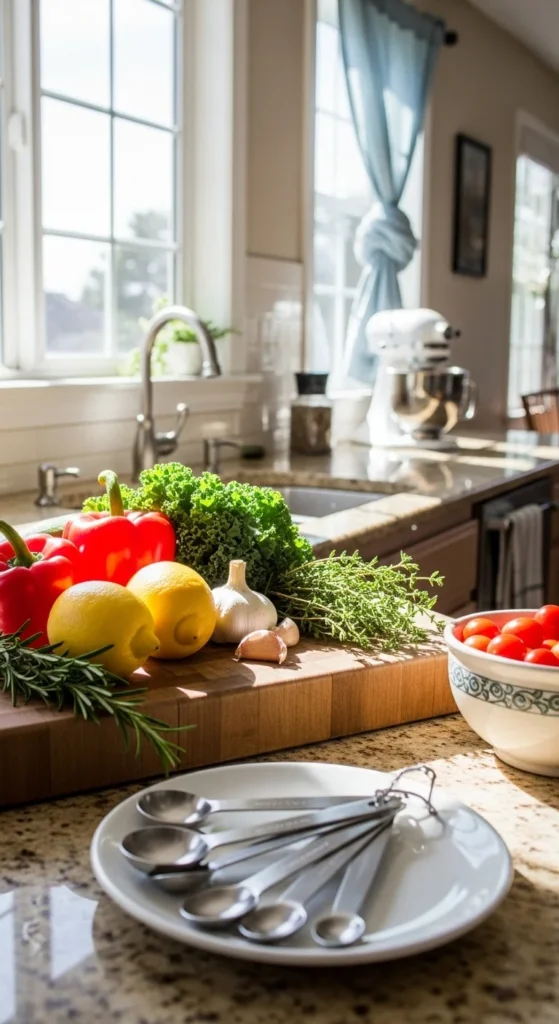
Why Portion Size Matters More Than You Think
Portion size directly affects how much energy your body takes in, even when your food choices are solid. Many people eat “healthy” foods but still feel stuck because portions slowly increase over time.
Correct portions help you:
- Maintain steady energy levels
- Avoid overeating without feeling restricted
- Build meals that actually satisfy you
- Stay consistent without complicated tracking
The goal isn’t perfection—it’s awareness.
Learn the Difference Between Portions and Servings
This is where many people get confused.
- Serving size is a standardized amount listed on food labels.
- Portion size is how much you actually put on your plate.
A package may list one serving, but it’s common for people to eat two or three portions without realizing it. Measuring food for a short period helps reset your visual understanding so your “normal” portion becomes more accurate.
Use Simple Kitchen Tools for Accuracy
You don’t need fancy equipment, but a few basics make a big difference.
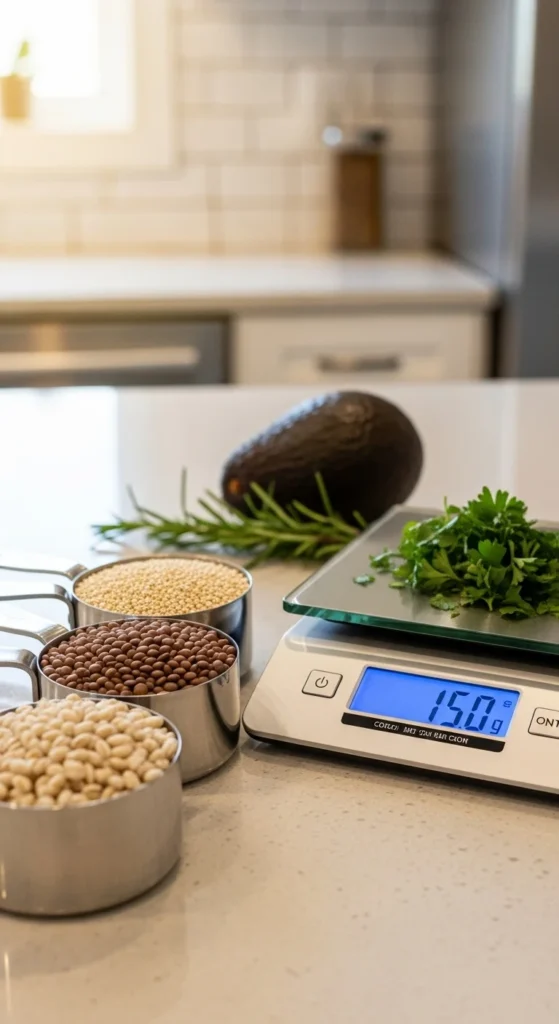
Helpful tools include:
- Measuring cups for grains, cereals, and cooked foods
- Measuring spoons for spreads and dressings
- A digital kitchen scale for proteins and mixed dishes
Try measuring for a week. Once your eyes learn what proper portions look like, you’ll rely less on tools and more on intuition.
Master the Hand Method When Measuring Isn’t Practical
No tools? No problem. Your hands are surprisingly reliable portion guides.
- Palm: Protein portion
- Fist: Vegetables or fruit
- Thumb: Fats like oils or spreads
- Cupped hand: Grains or starches
This method is especially useful when eating away from home or assembling quick meals. It keeps portions consistent without feeling rigid.
Build Balanced Plates Instead of Counting Everything
Rather than measuring every ingredient forever, focus on plate balance.
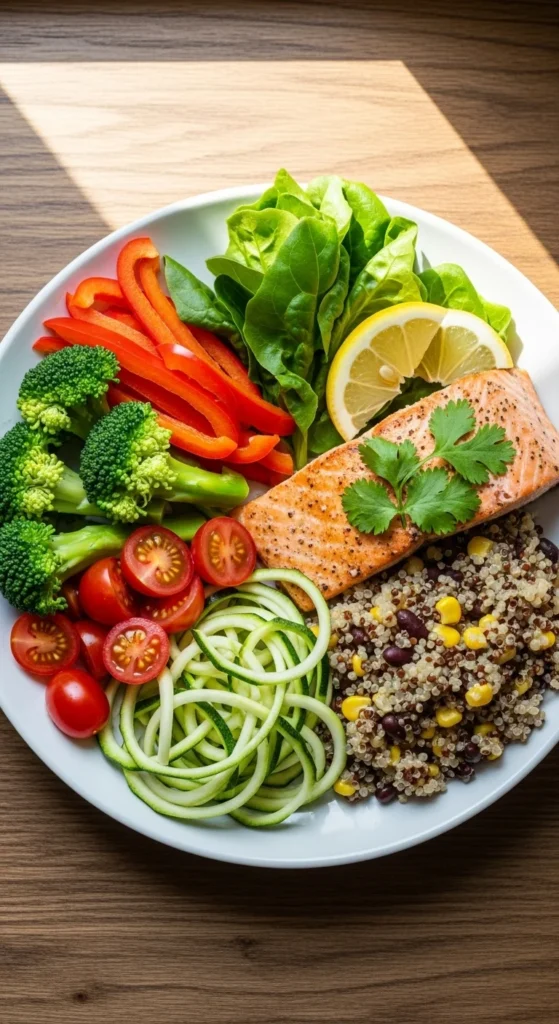
A simple visual guide:
- Half your plate: vegetables
- One quarter: protein
- One quarter: grains or starches
This approach naturally controls portions while keeping meals filling and enjoyable.
Be Careful With Energy-Dense Foods
Some foods are easy to over-serve because they’re compact but high in energy. Small amounts go a long way.
Watch portions for:
- Oils and spreads
- Nuts and seeds
- Cheese and creamy toppings
Instead of pouring freely, measure once, note the amount, and adjust mindfully. You’ll still enjoy the flavor without unknowingly doubling portions.
Slow Down and Let Hunger Cues Catch Up
Measuring portions works best when paired with mindful eating.
- Eat slowly
- Pause halfway through your meal
- Notice fullness, not just an empty plate
When you give your body time to respond, measured portions often feel more satisfying than expected.
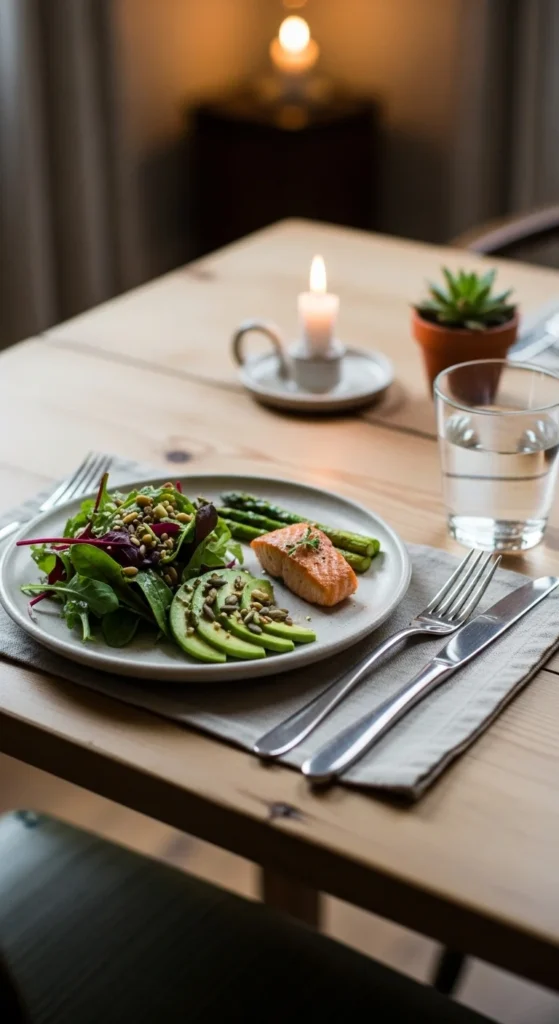
Adjust Portions Based on Your Day
Not every day needs the same portions. Activity level, hunger, and schedule all matter.
You may need:
- Slightly larger portions on active days
- Smaller portions when meals are closer together
- More vegetables when you want volume without heaviness
Flexibility helps portions feel supportive, not restrictive.
Common Portion-Size Mistakes to Avoid
- Eating straight from the package
- Using oversized plates or bowls
- Guessing portions without ever measuring
- Skipping vegetables and filling up on dense foods
Awareness fixes most of these instantly.
Final Takeaway
Measuring diet food portions correctly isn’t about rules—it’s about learning what truly works for your body. A little measuring builds confidence, improves balance, and removes the guesswork from healthy eating.
Once you see portions clearly, eating well becomes easier, more relaxed, and more enjoyable.
Save this guide for later and use it the next time you plan or plate a meal!
Leave a Reply