

Starting a diet is easy. Sticking with it is the hard part. Real, lasting diet food habits aren’t built on perfection or strict rules—they’re built on simple routines that fit into real life. When healthy eating feels normal instead of forced, it finally sticks.
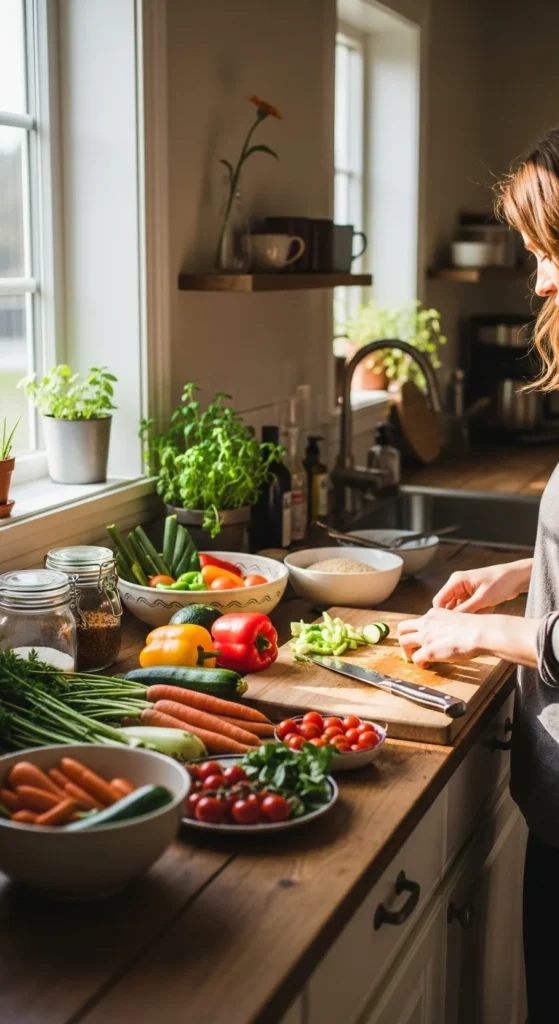
This guide breaks down practical, doable ways to build diet food habits that last beyond the first few weeks—without stress, guilt, or extremes.
Start With Small, Repeatable Wins
Big changes sound motivating, but they rarely last. The most sustainable diet habits begin with small actions you can repeat daily.
Instead of:
- “I’ll eat perfectly all week”
Try:
- “I’ll add one balanced meal every day”
Examples of small wins:
- Add vegetables to one meal
- Drink a full glass of water before eating
- Prepare one homemade meal daily
- Stop eating when you feel satisfied, not stuffed
Small habits build confidence. Confidence builds consistency.
Build Your Meals Around Balance, Not Restriction
Long-term diet habits work best when meals feel complete, not limiting. Focus on balance rather than cutting everything out.
A balanced diet plate often includes:
- A protein source
- Fiber-rich vegetables or grains
- Healthy fats for satisfaction
This approach helps:
- Control hunger naturally
- Reduce cravings
- Prevent overeating later
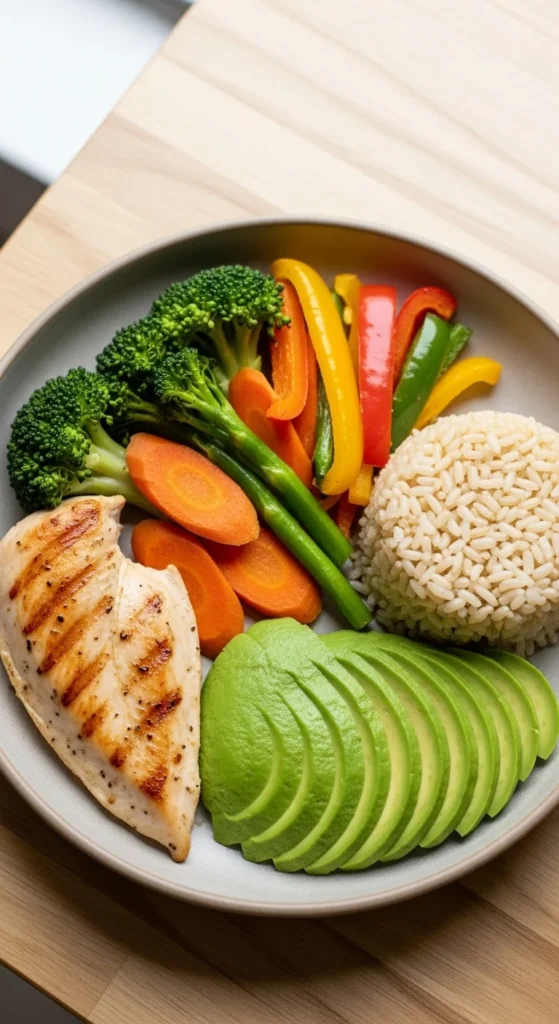
When meals look filling and enjoyable, you’re more likely to repeat them.
Make Healthy Choices the Easy Default
Lasting habits depend on environment more than motivation. Set up your kitchen so diet-friendly foods are easy to grab.
Simple setup ideas:
- Wash and cut vegetables right after shopping
- Keep fruit visible on the counter
- Store healthy snacks at eye level
- Prep grains and proteins ahead of time
When healthy food is convenient, you don’t need willpower—you just follow the path of least resistance.
Eat Slowly and Build Awareness
Diet habits aren’t only about what you eat, but how you eat. Rushing meals often leads to overeating and dissatisfaction.
Try these mindful eating habits:
- Sit down for meals whenever possible
- Take smaller bites
- Pause halfway through your plate
- Notice flavors and textures
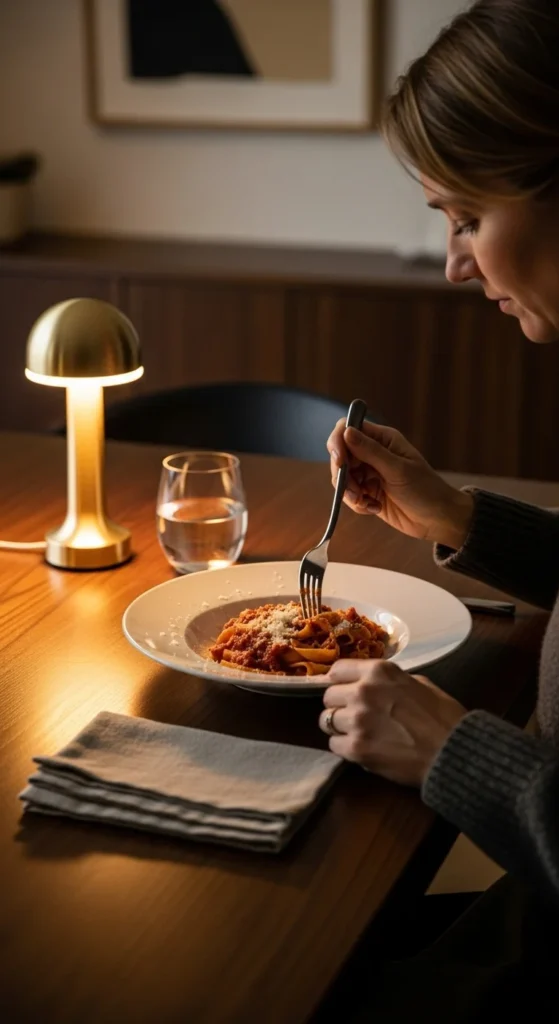
This helps your body recognize fullness and builds trust with food over time.
Plan for Real Life, Not Perfect Days
Long-term success comes from planning for busy, imperfect days—not avoiding them.
Instead of asking:
- “How do I eat perfectly?”
Ask:
- “What’s my best option today?”
Helpful strategies:
- Keep quick meal ideas ready
- Build a short list of go-to foods
- Allow flexibility when schedules change
- Resume normal habits at the next meal
Consistency matters more than any single choice.
Focus on Identity, Not Just Results
The strongest habits come from how you see yourself. Instead of chasing short-term goals, focus on identity-based habits.
Shift your mindset from:
- “I’m on a diet”
To: - “I eat in a way that supports my health”
Reinforce this identity by:
- Preparing meals regularly
- Choosing foods that make you feel good
- Honoring hunger and fullness cues
Over time, healthy eating becomes part of who you are—not something you’re forcing.
Track Patterns, Not Perfection
Tracking doesn’t have to mean numbers or strict rules. Paying attention to patterns is often enough.
Reflect weekly on:
- What meals kept you full?
- When did you snack mindlessly?
- What habits felt easy?
- What felt stressful?

Use this awareness to adjust gently—not to judge yourself.
Build Habits You Actually Enjoy
If you don’t enjoy your food, the habit won’t last. Sustainable diet habits include flavors, textures, and meals you genuinely like.
Ways to keep it enjoyable:
- Rotate recipes to avoid boredom
- Use herbs, spices, and sauces you love
- Experiment with new foods slowly
- Keep comfort foods in reasonable portions
Enjoyment is not optional—it’s essential.
Final Takeaway: Progress Beats Perfection
Lasting diet food habits are built through consistency, flexibility, and self-trust. You don’t need a perfect plan—you need habits that fit your life and evolve with you.
Start small. Stay consistent. Adjust when needed.
Save this guide for later and build habits that support you for the long run.
Leave a Reply