

Protein often sounds complicated—counting grams, buying special products, or cooking separate meals. In reality, adding more protein to diet meals can be simple, affordable, and even comforting. Small tweaks to everyday foods can make a big difference in how full, energized, and satisfied you feel throughout the day.
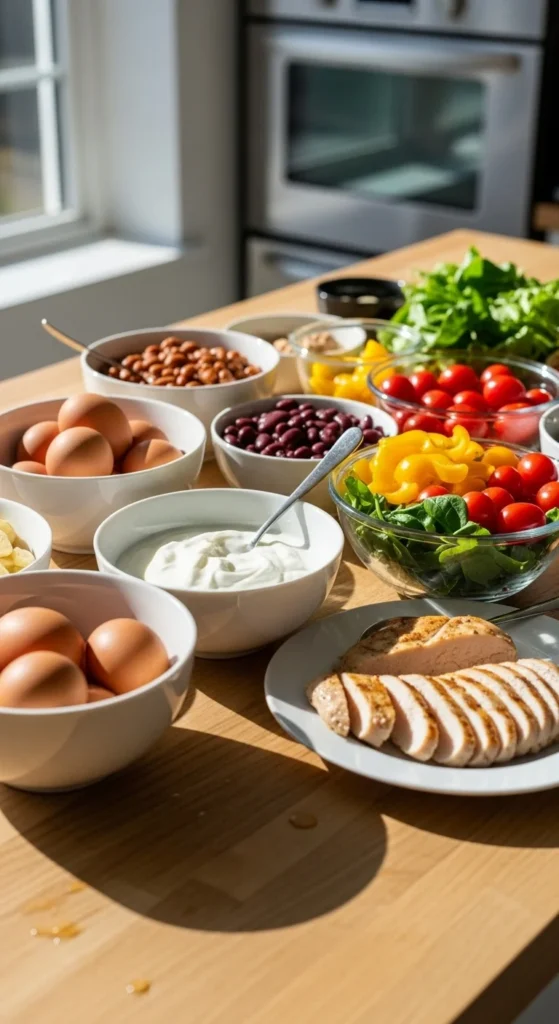
This guide breaks everything down into easy steps you can start using right away—no strict plans, no stress, just practical ideas that fit real life.
Why Protein Matters in Diet Meals
Protein isn’t just for athletes. It plays a key role in:
- Keeping you full longer
- Reducing constant snacking
- Supporting muscle while losing weight
- Stabilizing energy levels
The best part? You don’t need massive portions. You just need to spread protein evenly across meals instead of saving it all for dinner.
Start With Breakfast (Without Overthinking It)
Breakfast is the easiest place to add protein, yet it’s often skipped or filled with carbs alone. A small upgrade goes a long way.
Simple protein boosts for breakfast:
- Add eggs to toast, wraps, or bowls
- Stir Greek-style yogurt into fruit or oats
- Blend milk or yogurt into smoothies
- Sprinkle seeds or nuts over breakfast bowls

Even 10–15 grams of protein in the morning can reduce mid-morning cravings.
Use Protein as a “Sidekick” at Lunch
Lunch doesn’t need to be a full protein feast. Think of protein as a supporting character, not the main event.
Easy lunch additions:
- Add grilled chicken, beans, or lentils to salads
- Mix chickpeas or tofu into grain bowls
- Use yogurt-based sauces instead of creamy dressings
- Add cottage cheese or hummus on the side
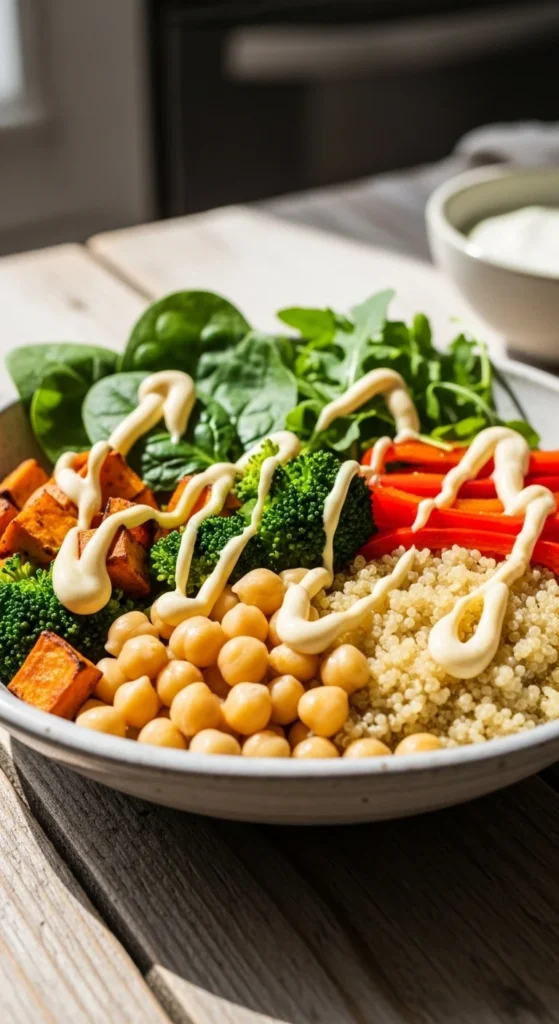
This approach keeps meals light while still satisfying.
Turn Snacks Into Protein Opportunities
Snacks are often where diets fall apart—not because of hunger, but because protein is missing.
Better snack swaps:
- Yogurt instead of plain fruit
- Nuts paired with sliced fruit
- Cottage cheese with herbs or vegetables
- Hard-boiled eggs with a pinch of salt and pepper
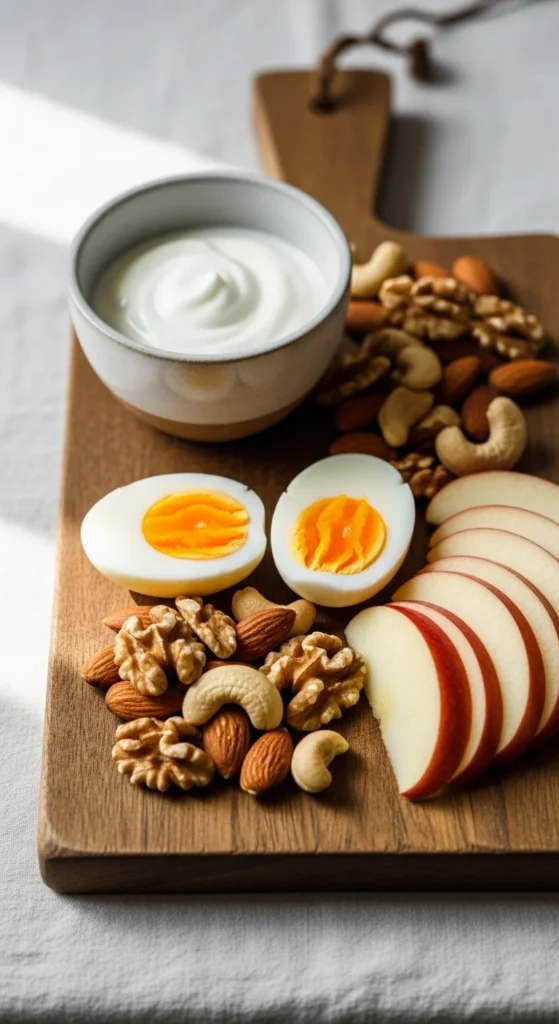
Protein snacks help you eat less at the next meal without feeling deprived.
Make Dinner Protein-Rich Without Extra Cooking
Dinner is usually protein-friendly already—but portion balance matters.
Simple dinner tips:
- Fill half your plate with vegetables
- Use palm-sized portions of chicken, fish, or plant proteins
- Add beans or lentils to soups, stews, or stir-fries
- Use eggs as a quick protein add-in for bowls or wraps
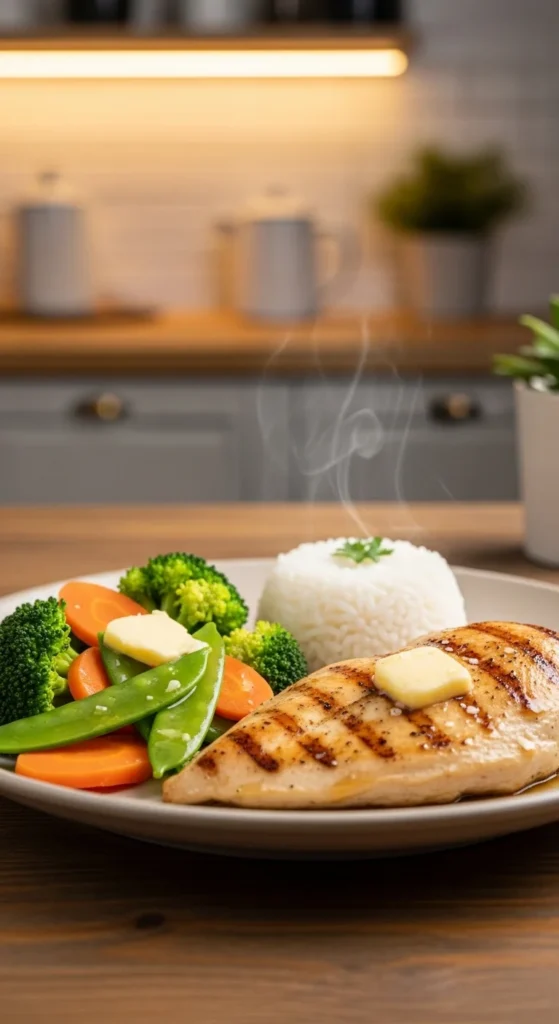
You don’t need large portions—consistency matters more than quantity.
Upgrade Everyday Foods With Protein
One of the easiest tricks is protein stacking—adding small protein sources to foods you already eat.
Examples:
- Oats + yogurt or milk
- Soup + beans or lentils
- Salad + eggs or legumes
- Smoothies + yogurt or nut butter
These tiny upgrades add up quickly across the day.
Don’t Rely on One Protein Source
Variety keeps meals interesting and nutrients balanced.
Mix and match:
- Eggs
- Dairy-based options
- Beans and lentils
- Nuts and seeds
- Chicken, fish, or plant-based proteins
Rotating sources prevents boredom and supports long-term habits.
Keep It Simple and Repeatable
The best diet meal is one you’ll actually make again.
Helpful habits:
- Cook protein in batches
- Keep quick options in the fridge
- Build meals from familiar foods
- Focus on progress, not perfection
You don’t need new recipes every week—just reliable favorites.
Final Takeaway
Adding protein to diet meals doesn’t require strict rules or fancy ingredients. It’s about small, consistent choices—adding eggs here, yogurt there, beans where they fit. Over time, these simple habits make meals more filling, balanced, and enjoyable.
Save this guide and start with just one protein upgrade today—you’ll feel the difference faster than you think.

Leave a Reply