

Trying to cook lighter meals but still ending up with bland plates or stalled progress? You’re not alone. Many well-meaning cooks fall into small habits that quietly sabotage their efforts. The good news: most diet cooking mistakes are easy to fix once you know what to watch for.
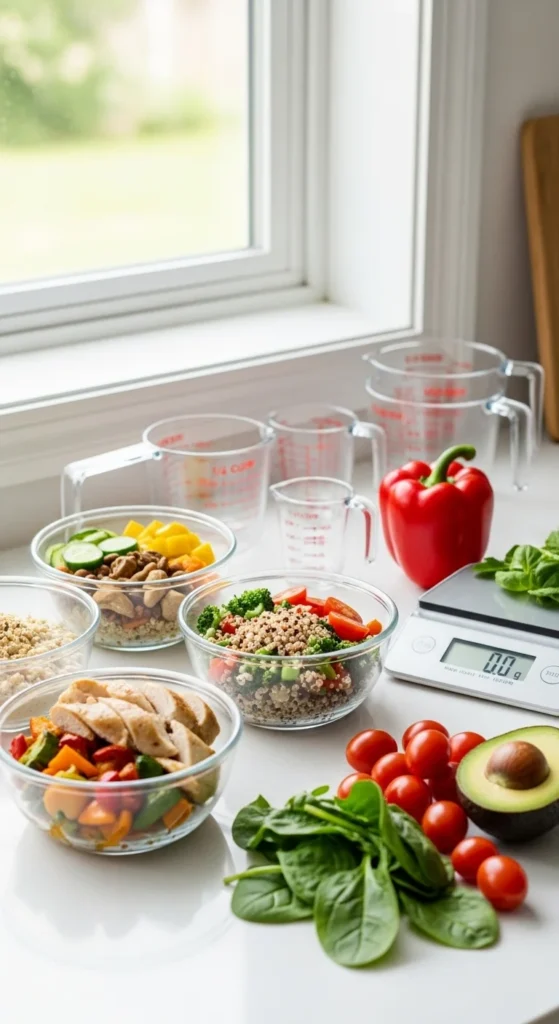
Let’s break down the most common pitfalls—and how to avoid them—so your meals stay satisfying, flavorful, and aligned with your goals.
Skipping Proper Portion Awareness
One of the biggest diet cooking mistakes happens before the stove even turns on: eyeballing portions.
Even healthy ingredients can throw things off when portions creep up over time.
How to fix it:
- Use measuring cups or a small kitchen scale for staples like grains and cooking oils.
- Learn visual cues:
- A palm-sized portion for proteins
- A fist-sized portion for vegetables
- A thumb-sized portion for fats
- Plate food once instead of eating straight from the pan.
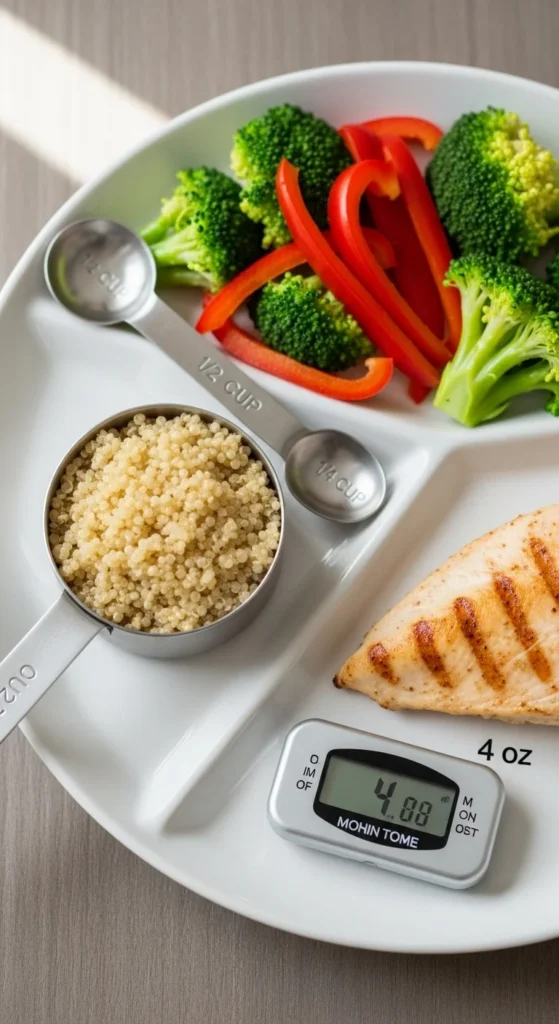
Small adjustments here can make a big difference without feeling restrictive.
Overusing Oils and “Healthy” Fats
Healthy fats are important, but they’re also concentrated. A quick drizzle can easily turn into multiple spoonfuls without you noticing.
Common mistakes include:
- Pouring oil directly from the bottle
- Re-coating pans between batches
- Assuming all fats don’t need limits
Smarter cooking habits:
- Use a measuring spoon for oils.
- Try brushing oil lightly onto food instead of flooding the pan.
- Choose non-stick cookware to reduce the need for added fat.
Flavor doesn’t come from quantity—it comes from balance.
Cooking Everything on High Heat
High heat can seem like a time-saver, but it often leads to dry food, uneven cooking, and burned seasoning.
When food cooks too fast:
- Proteins lose moisture
- Vegetables scorch instead of caramelizing
- Spices turn bitter
What works better:
- Use medium heat for most meals.
- Allow food to cook gradually for better texture.
- Preheat pans properly instead of cranking the heat.
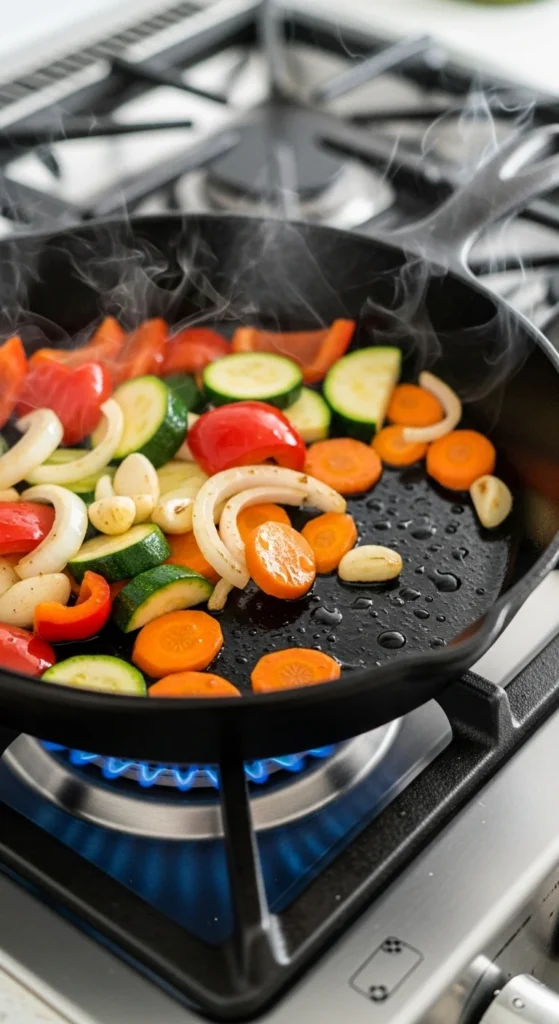
Slower cooking often delivers better flavor with less effort.
Forgetting to Season in Layers
Diet meals get a bad reputation for being bland, but that usually comes from under-seasoning—not from cooking light.
Layered seasoning means:
- Adding a small amount of seasoning at each step
- Tasting as you go
- Using herbs, citrus, garlic, and spices generously
Try this approach:
- Season vegetables before cooking.
- Adjust seasoning once food is halfway done.
- Finish with fresh herbs or a squeeze of citrus.
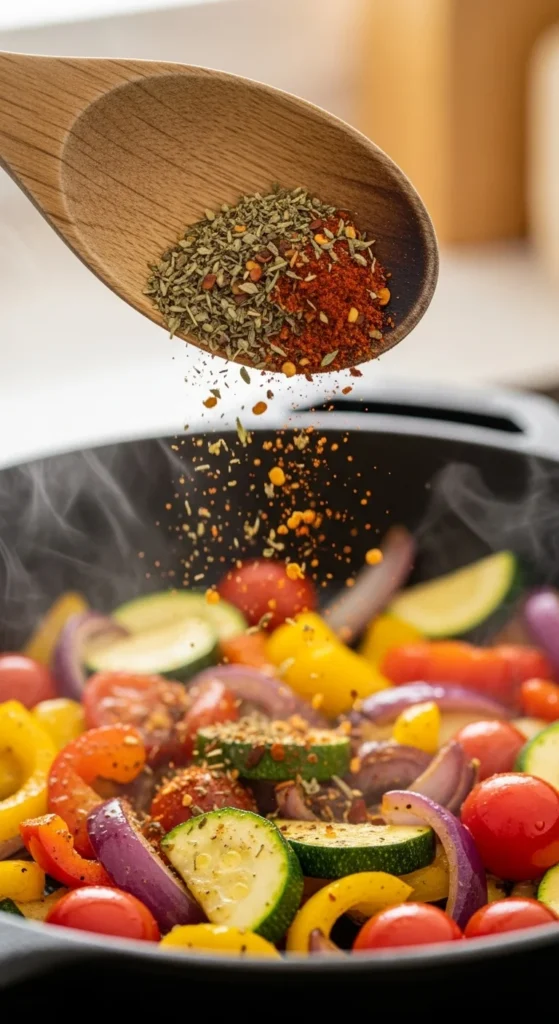
When flavor is built gradually, you won’t feel the need to overdo sauces later.
Relying Too Much on Packaged “Diet” Foods
Many products labeled as diet-friendly can still be highly processed and less satisfying than simple homemade meals.
Potential downsides:
- Less control over ingredients
- Lower satiety
- Repetitive flavors that lead to boredom
Better alternatives:
- Cook simple meals using whole ingredients.
- Prep basics like roasted vegetables or grains ahead of time.
- Use packaged items as helpers, not foundations.
Cooking doesn’t need to be complicated to be effective.
Overcooking Lean Proteins
Lean proteins are great for lighter meals, but they can dry out quickly if handled the wrong way.
Why this happens:
- Cooking too long
- Using high heat throughout
- Skipping resting time after cooking
Avoid dryness by:
- Removing food from heat just before it looks fully done.
- Letting it rest for a few minutes before slicing.
- Using marinades or spice rubs for moisture and flavor.
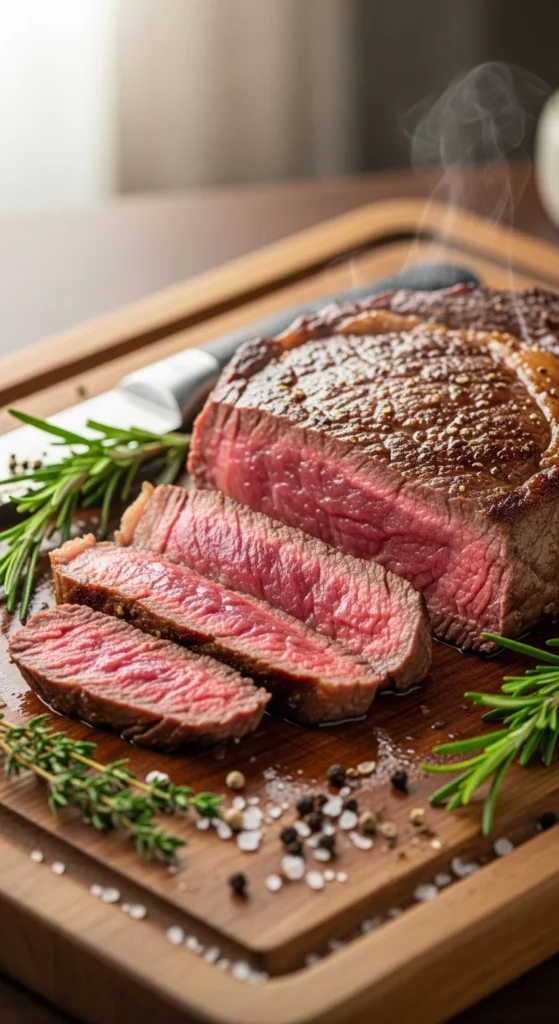
Proper timing makes lean meals feel indulgent instead of tough.
Ignoring Meal Prep and Planning
Last-minute cooking often leads to rushed decisions and repetitive meals.
Without a plan:
- Portions become inconsistent
- Ingredients go unused
- Motivation drops
Simple planning tips:
- Choose 2–3 meals to repeat during the week.
- Prep vegetables in advance.
- Keep a short list of go-to seasonings and sauces.
Structure brings freedom—not restriction.
Final Takeaway
Diet cooking isn’t about perfection. It’s about awareness, balance, and small habit shifts that add up over time. By adjusting how you portion, season, cook, and plan, you can avoid the most common mistakes without sacrificing enjoyment.
Save this guide for your next cooking session—and enjoy meals that actually work for you.
Leave a Reply