

Trying to eat healthy can feel overwhelming. You might think you need strict rules, perfect meals, or endless willpower. The truth is much simpler. A balanced diet doesn’t come from pressure — it comes from smart habits that fit your real life. When you remove stress, healthy eating becomes easier and even enjoyable. Small changes can create big results without making you feel restricted.

The goal isn’t perfection. The goal is consistency. Let’s explore how to balance diet food in a way that feels calm, realistic, and sustainable.
Understand What “Balanced” Really Means
Many people believe diet food means eating less or cutting out favorite foods. That idea creates stress immediately. Balance actually means giving your body the nutrients it needs while still enjoying what you eat.
A simple balanced plate includes:
- Protein (chicken, fish, eggs, beans, tofu)
- Fiber (vegetables, fruits, whole grains)
- Healthy fats (nuts, olive oil, avocado)
- Carbohydrates for energy (rice, potatoes, bread, pasta)
You don’t need complicated formulas. Just aim for variety.
When meals include multiple nutrients, you stay full longer. That reduces cravings and prevents overeating later. Balance naturally supports weight control without extreme dieting.
Use the “80/20” Approach to Reduce Pressure
One of the easiest ways to remove stress is the 80/20 rule. This means:
- 80% of meals focus on nutritious foods
- 20% allow flexibility and enjoyment
This approach prevents guilt. It also makes long-term healthy eating realistic.
For example:
- Eat balanced meals during the week
- Enjoy pizza or dessert occasionally
- Avoid labeling foods as “good” or “bad”
Food is not the enemy. Over-restriction often leads to binge eating. Flexibility builds consistency.
Plan Simple Meals, Not Perfect Ones
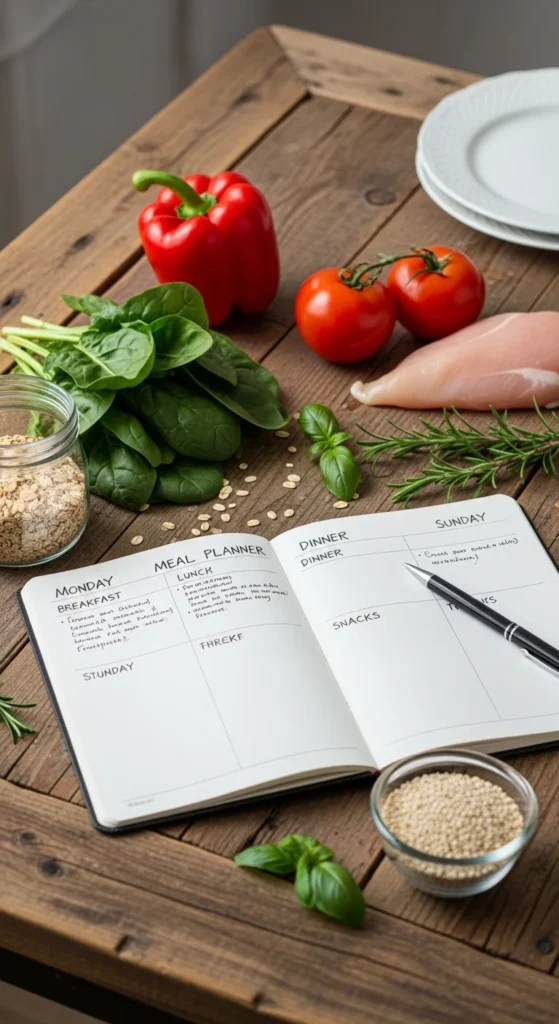
Meal planning doesn’t need to be complicated. Stress often comes from trying to cook new recipes daily. Instead, repeat easy meals you enjoy.
Start with:
- 2 breakfast options
- 3 lunch ideas
- 4 dinner choices
Rotate them during the week.
Quick balanced meal examples:
- Grilled chicken, rice, and roasted vegetables
- Greek yogurt with fruit and nuts
- Omelet with whole-grain toast
- Salmon with quinoa and salad
Simple meals reduce decision fatigue. When choices are easy, stress disappears.
Prep Ahead to Save Mental Energy
One of the biggest causes of diet stress is last-minute food decisions. Preparing ingredients in advance removes that pressure.
Try these strategies:
- Chop vegetables once for multiple meals
- Cook protein in bulk (chicken, beans, tofu)
- Store healthy snacks in visible containers
- Prepare overnight oats for breakfast
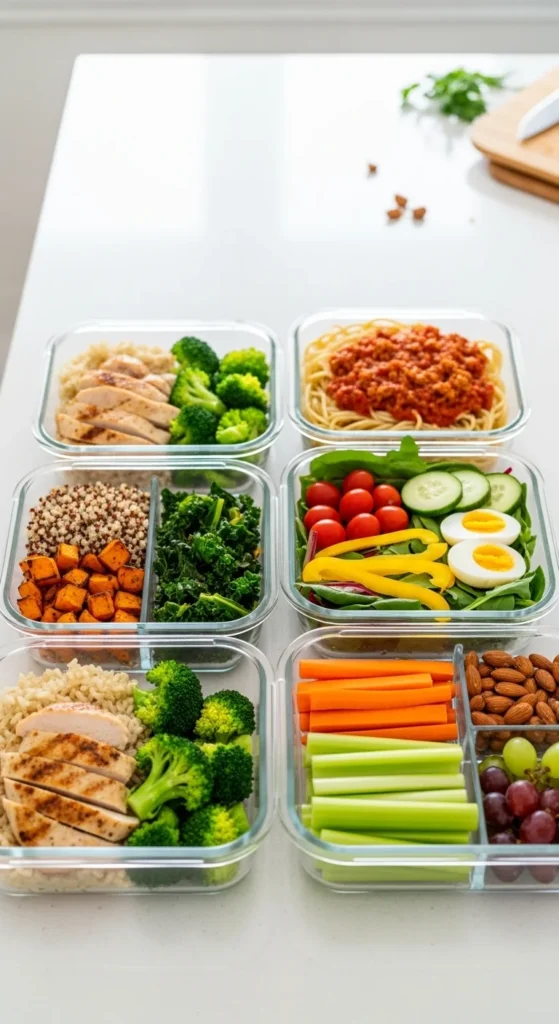
Meal prep doesn’t mean spending hours cooking. Even 30 minutes can help your entire week feel easier.
Preparation creates confidence. Confidence reduces stress.
Listen to Hunger, Not Strict Rules
Diet stress often comes from ignoring your body signals. Eating only at scheduled times or restricting portions too much can backfire.
Instead:
- Eat when you feel hungry
- Stop when comfortably full
- Notice energy levels after meals
- Avoid eating out of boredom or emotion
Mindful eating improves digestion and satisfaction. It also helps you naturally regulate portions without strict control.
A helpful trick: eat slowly. Your brain needs time to recognize fullness.
Enjoy Social Meals Without Anxiety
Many people feel nervous about eating out or attending events while dieting. The key is balance, not avoidance.
When dining out:
- Choose grilled or baked options when possible
- Add vegetables to your meal
- Share desserts if you want something sweet
- Focus on conversation, not calories

One meal never ruins progress. Stress about food causes more harm than the food itself.
Healthy eating includes joy and connection.
Keep Healthy Snacks Available
Hunger spikes create poor food decisions. Having balanced snacks ready prevents this problem.
Good snack options:
- Apple with peanut butter
- Nuts and dried fruit
- Boiled eggs
- Cottage cheese with berries
- Hummus with vegetables
Balanced snacks stabilize blood sugar. Stable energy reduces cravings and mood swings.
When your body feels steady, eating feels easier.
Focus on Progress, Not Perfection
Perfection creates stress. Progress creates motivation.
You don’t need:
- Perfect macros
- Perfect calorie tracking
- Perfect meals daily
You only need consistent effort.
Small improvements add up over time. Drinking more water, adding vegetables, and cooking more meals at home all count as wins.
Healthy habits grow slowly. That’s normal.
Make Food Enjoyable Again
Diet culture often removes joy from eating. But enjoyment actually supports better nutrition. When meals taste good, you stick with them longer.
Add flavor with:
- Herbs and spices
- Lemon juice or vinegar
- Healthy sauces like yogurt dips
- Roasted vegetables instead of plain ones
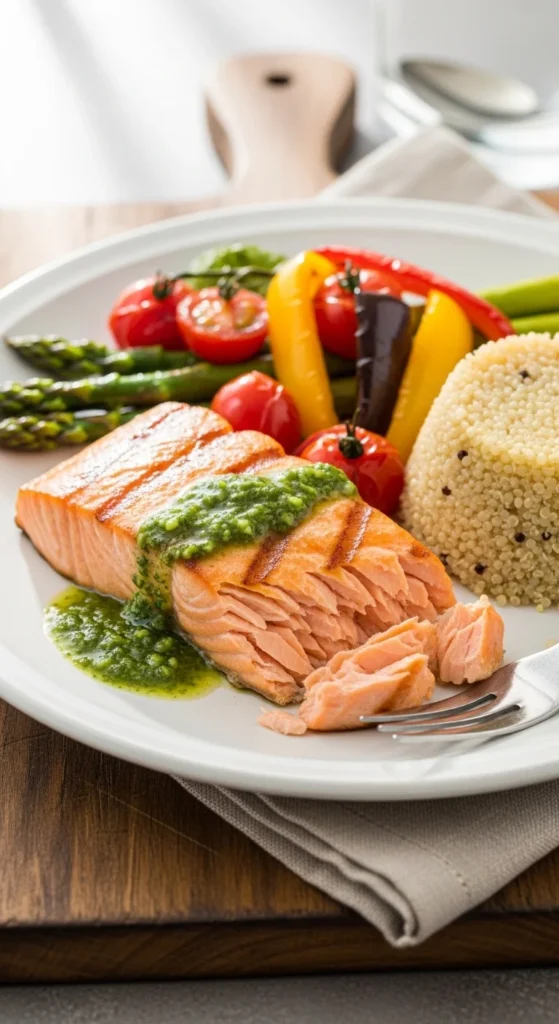
Food should feel satisfying, not punishing.
Final Thoughts: Calm Eating Creates Lasting Results
Balancing diet food without stress is completely possible. The secret isn’t discipline — it’s simplicity, flexibility, and preparation. When you remove pressure, healthy habits become natural.
Start small. Choose one strategy from this article and try it this week.
Your body doesn’t need perfection. It needs consistency and care.
Save this guide for later and come back whenever you need a stress-free reset.
Leave a Reply