

Cooking for a 1-year-old can be tricky, but with the right techniques, you can make vegetables soft, sweet, and easy for them to chew. At this stage, your little one is discovering the world of solids, so it’s essential to ensure their meals are both nutritious and manageable. Here’s how you can prepare vegetables that are perfect for tiny tummies and developing taste buds.
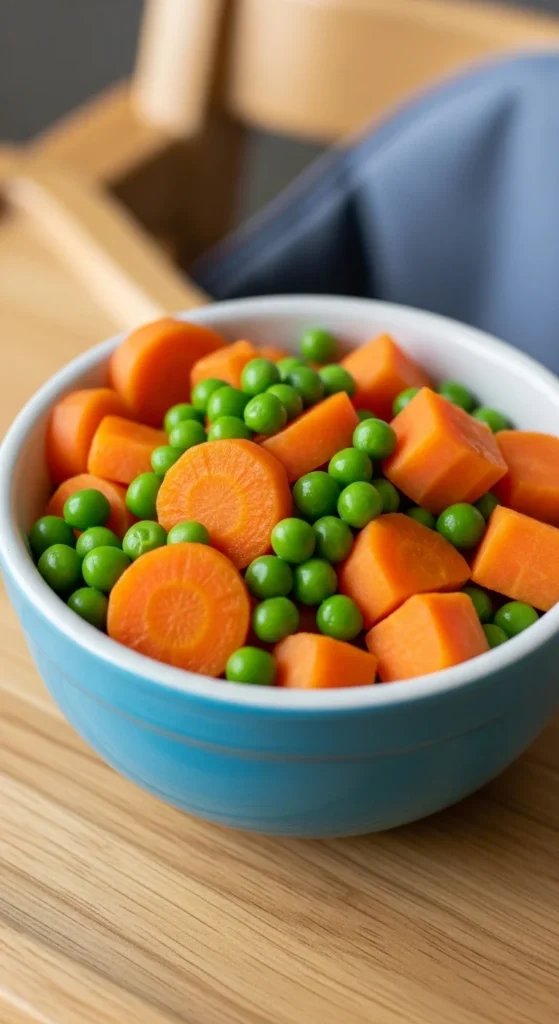
1. Choose the Right Vegetables
Not all vegetables are suitable for a 1-year-old. You’ll want to focus on those that are soft and easy to digest. Here are some great options:
- Sweet Potatoes: Naturally sweet and soft when cooked.
- Carrots: A nutrient-packed option that softens when steamed.
- Peas: Small and easy for little fingers to pick up.
- Zucchini: Mild and tender when steamed or sautéed.
- Butternut Squash: Naturally sweet and soft, perfect for mashing.
- Broccoli: A bit firmer, but once steamed, it’s easy to break down.
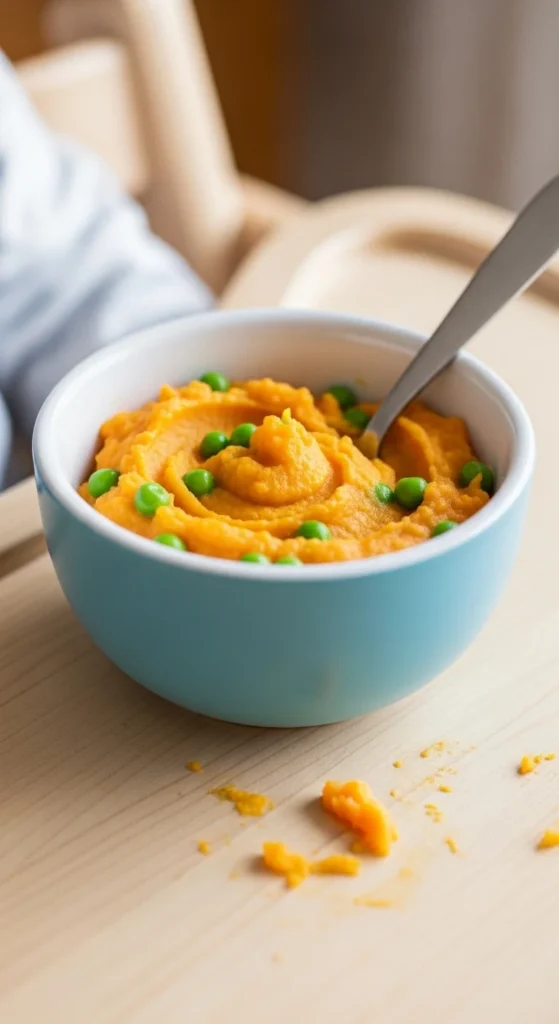
2. Steam, Don’t Boil
Boiling vegetables can cause them to lose valuable nutrients, while steaming preserves their flavor and nutrients. To steam vegetables for a 1-year-old:
- Prepare the veggies: Peel, chop, and remove any inedible parts.
- Steam them: Place the vegetables in a steaming basket over boiling water. Cover and steam until they are soft (about 5–10 minutes, depending on the vegetable).
- Check softness: The vegetables should be fork-tender but not mushy, ensuring they’re easy to chew.
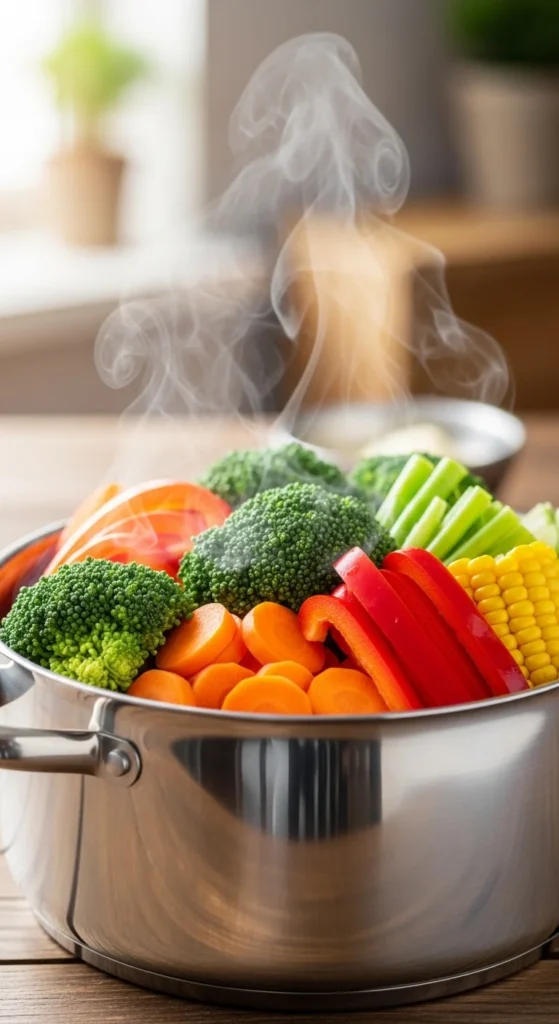
3. Roast for Extra Sweetness
Roasting vegetables enhances their natural sweetness, making them extra appealing to little ones. Roasting is especially great for carrots, sweet potatoes, and squash. Here’s how to do it:
- Preheat your oven to 400°F (200°C).
- Toss the veggies: Coat the vegetables in a small amount of olive oil (optional) and season lightly with herbs (if your baby is ready for them).
- Spread on a baking sheet: Place the vegetables in a single layer to ensure even roasting.
- Roast for 20–30 minutes, flipping halfway through. When done, the veggies should be golden brown and soft enough for easy chewing.
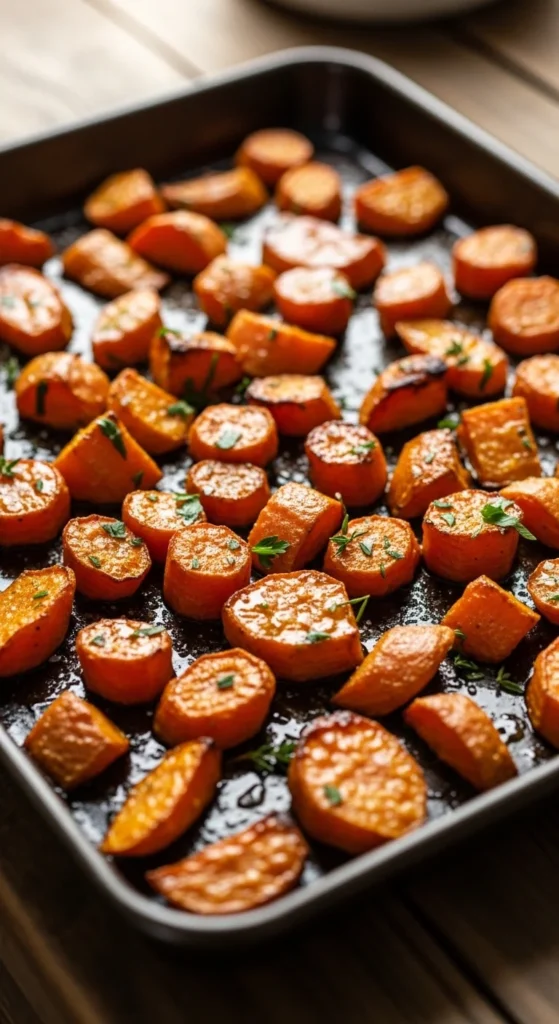
4. Mash or Puree for Easy Eating
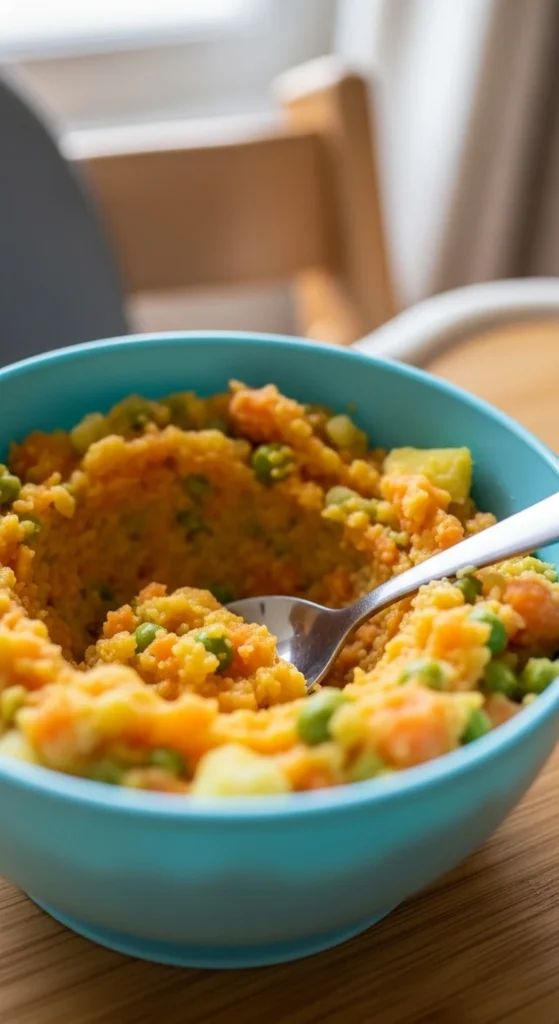
At this stage, your baby may still be working on chewing skills, so mashing or pureeing vegetables can make eating easier. Here’s how to make a veggie mash:
- Steam or roast the vegetables until they are very soft.
- Mash with a fork or potato masher for a chunky texture, or use a blender or food processor for a smoother puree.
- Add a bit of liquid (breast milk, formula, or water) to make the texture smoother if needed. You can also mix in small amounts of unsweetened yogurt for added creaminess.
5. Keep Texture in Mind
While soft vegetables are ideal, your baby is also starting to develop the ability to chew. It’s important to find the right balance between softness and texture. Here are a few tips:
- Chunky mashes: For babies ready to chew more, leave some small pieces in their mashed vegetables to promote chewing.
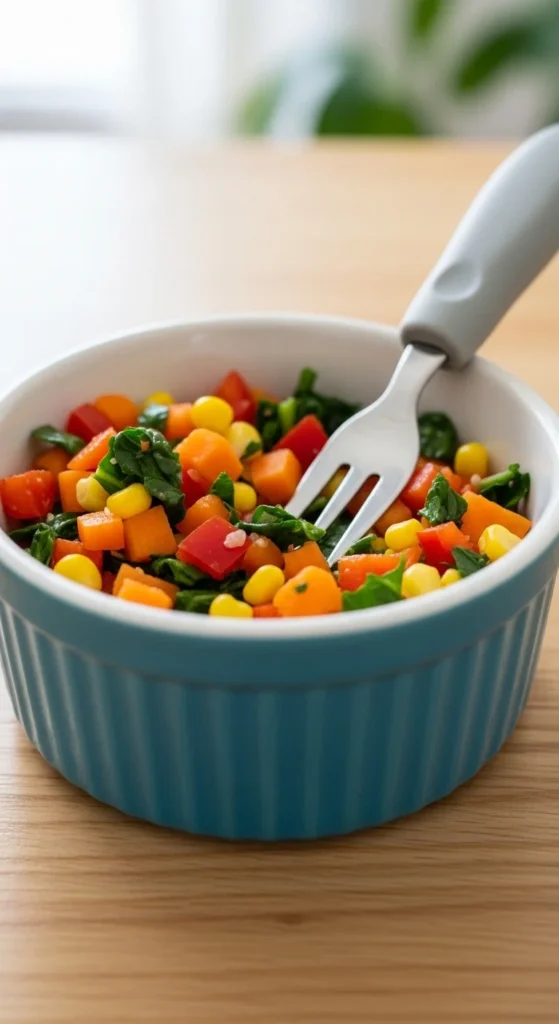
- Small pieces: If your baby is ready for finger foods, cut vegetables into tiny, bite-sized pieces to avoid choking hazards.
6. Introduce New Vegetables Slowly
While introducing vegetables to your baby, remember to try new ones one at a time, waiting about 3 days before adding another new food. This way, if your little one has a reaction, you can easily pinpoint the cause.
Final Tip: Make It Fun!
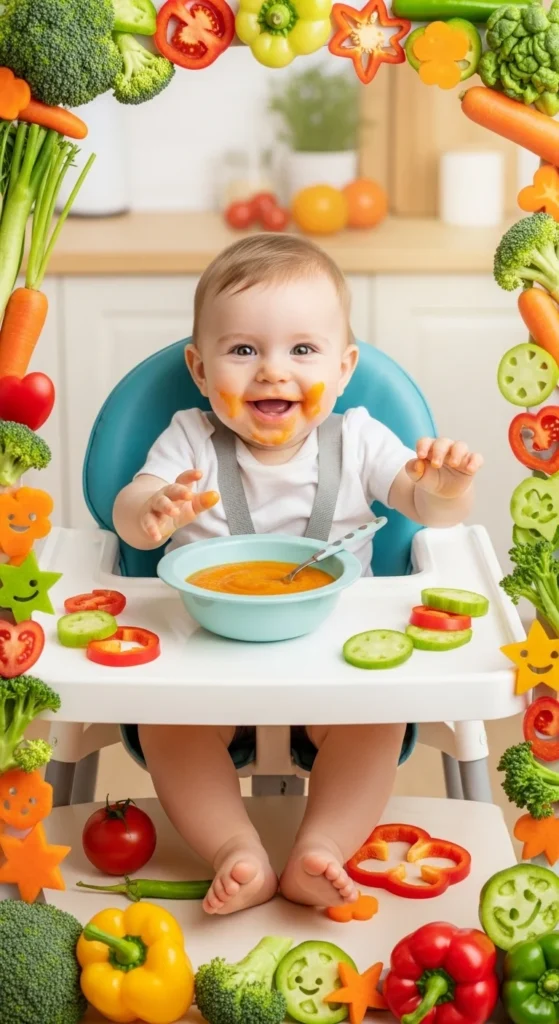
Let your baby explore the vegetables. Offering a variety of textures, colors, and shapes will help engage their senses and keep mealtimes exciting. Encourage your baby to feed themselves as they grow and develop fine motor skills!
In conclusion, cooking vegetables for a 1-year-old doesn’t have to be complicated. By steaming, roasting, mashing, or pureeing, you can create healthy, tasty, and easy-to-chew meals that your baby will love. Don’t forget to experiment with different veggie combinations and textures as your little one grows. Happy cooking!
Save these tips for later and enjoy making mealtime a delightful adventure!
Leave a Reply