

Ever notice how some people seem effortlessly consistent with healthy eating — while others start strong on Monday and feel completely lost by Thursday? The secret usually isn’t stricter dieting or more willpower. It’s rhythm.
A diet meal rhythm is simply a predictable, comfortable pattern of eating that fits your real life. When meals happen naturally and consistently, decision fatigue disappears, cravings calm down, and healthy choices feel automatic instead of forced.
Instead of chasing perfect meal plans, let’s build a rhythm you can actually live with.

Why Meal Rhythm Matters More Than Meal Perfection
Many diets fail because they rely on constant decision-making. What should I eat? When should I eat? How much?
A steady rhythm removes that stress.
When your body expects food at regular times:
- Hunger signals become predictable
- Energy levels stabilize
- Overeating becomes less likely
- You stop obsessing about food all day
Think of it like sleep schedules — consistency helps your body trust what’s coming next.
Instead of aiming for flawless meals, aim for reliable timing and structure.
Step 1: Choose Your Core Meal Anchors
Start simple. Most successful eaters follow a flexible structure such as:
- Breakfast
- Lunch
- Dinner
- 1–2 planned snacks (optional)
Your anchors should match your lifestyle, not someone else’s routine.
Ask yourself:
- When do I naturally feel hungry?
- When do I usually lose energy?
- When am I most likely to overeat?
For example:
- Late riser → brunch-style breakfast
- Busy afternoons → planned protein snack
- Evening cravings → balanced dinner with carbs
Consistency matters more than exact clock times.
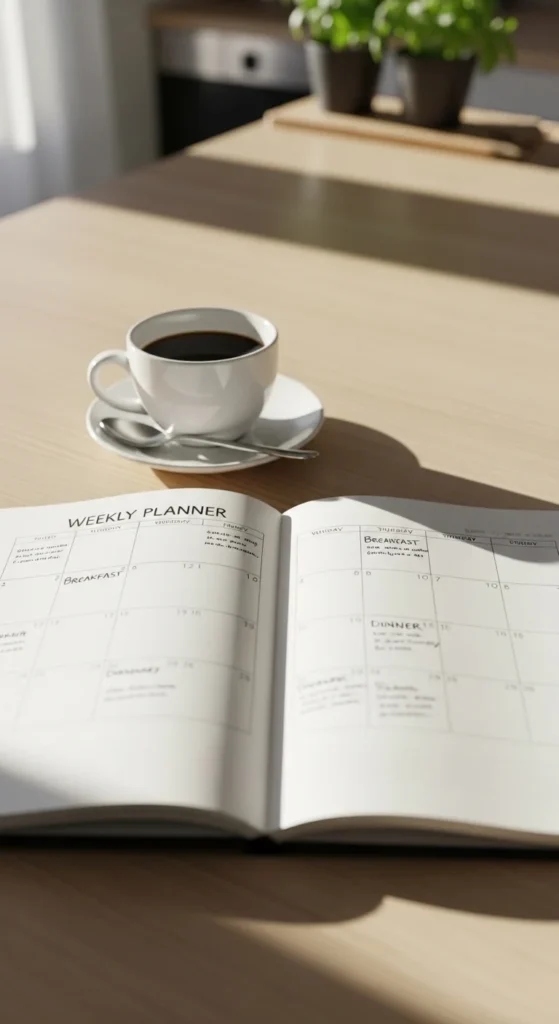
Step 2: Build “Repeatable” Meals
You don’t need new recipes every day. In fact, repetition is what creates rhythm.
Create a small rotation of meals you genuinely enjoy.
Easy formula:
- Protein: eggs, chicken, lentils, yogurt
- Fiber: vegetables or fruit
- Smart carbs: rice, potatoes, oats, whole grains
- Healthy fats: nuts, seeds, olive oil
Example repeatable meals:
- Oatmeal + fruit + nuts
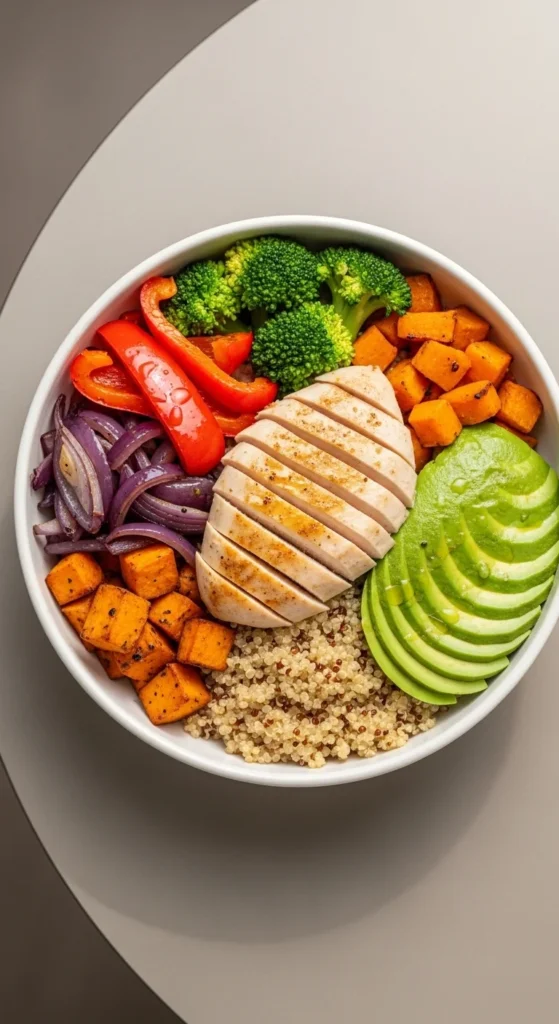
- Rice bowl with chicken and vegetables
- Yogurt with seeds and berries
- Lentil curry with roti
Repeating meals reduces stress and helps portion control happen naturally.
Step 3: Sync Meals With Your Energy, Not the Clock
Your meal rhythm should support how your day actually feels.
Notice patterns like:
- Morning focus dips → add protein at breakfast
- Afternoon crashes → balanced lunch instead of sugary snacks
- Night overeating → dinner may be too small
Try this adjustment strategy:
- If you snack constantly → meals may lack protein
- If you feel heavy → portions may be too large
- If cravings hit nightly → add carbs earlier in the day
Your body gives feedback — rhythm comes from listening.
Step 4: Create Gentle Eating Windows
Rigid schedules often fail. Flexible windows work better.
Instead of exact times:
- Breakfast between 7–9 AM
- Lunch between 12–2 PM
- Dinner between 6–8 PM
This allows life to happen while keeping structure intact.
Helpful habits:
- Eat within 1–2 hours of waking
- Avoid skipping meals regularly
- Leave 2–4 hours between meals when possible
This spacing helps stabilize blood sugar and prevents extreme hunger.
Step 5: Prepare Just Enough — Not Everything
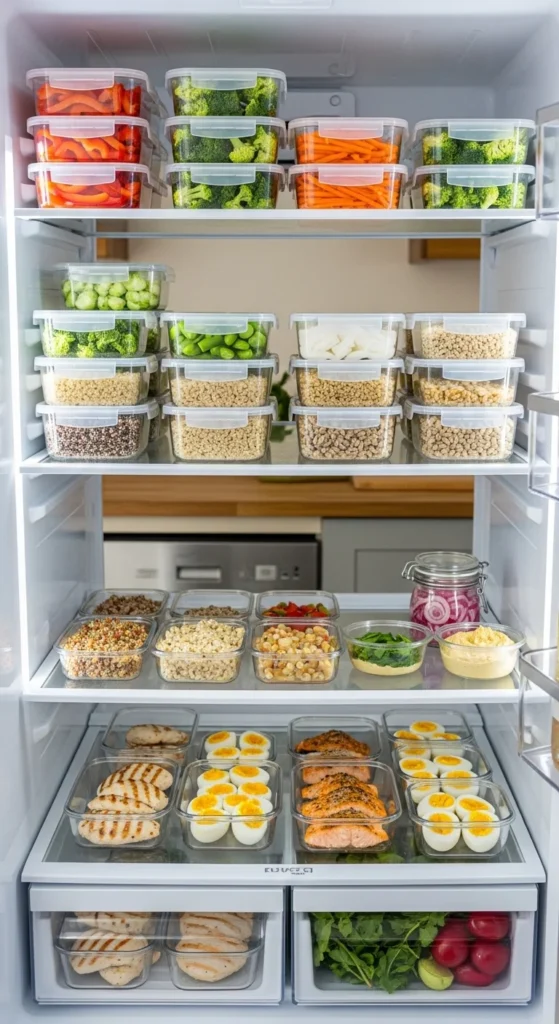
You don’t need full weekly meal prep to maintain rhythm.
Try partial preparation:
- Wash and chop vegetables
- Cook a batch of protein
- Prepare grains for 2–3 days
- Keep quick snacks ready
This keeps meals easy without feeling repetitive or overwhelming.
Step 6: Protect Your Rhythm During Busy Days
Life will interrupt your routine — that’s normal.
Instead of abandoning your rhythm, create backup options:
- Keep emergency healthy snacks available
- Have 2–3 “default meals” you can make quickly
- Order balanced takeout instead of skipping meals
Examples of rhythm-saving meals:
- Omelet and toast
- Yogurt with fruit and nuts
- Simple chicken wrap
- Lentils and rice
Consistency beats perfection every time.
Step 7: Let Weekends Flow — But Stay Grounded
A working meal rhythm isn’t strict; it’s adaptable.
On weekends:
- Keep at least one familiar meal
- Maintain similar meal spacing
- Enjoy treats without skipping meals earlier
Skipping meals to “save calories” often leads to overeating later.
Rhythm means stability — even when flexibility is allowed.
The Real Secret: Make It Feel Easy
The best diet rhythm doesn’t feel like dieting at all.
If your routine feels exhausting, simplify:
- Fewer recipes
- Predictable meal times
- Familiar foods you enjoy
- Gentle structure instead of strict rules
Over time, your brain stops negotiating every food decision. Eating well becomes background behavior — just another natural part of your day.
Final Takeaway
You don’t need a perfect meal plan to succeed. You need a rhythm your life can support.
Start small this week:
- Pick consistent meal anchors
- Repeat a few favorite meals
- Notice how your energy responds
Your goal isn’t control — it’s flow.
Save this guide for later and start building your meal rhythm one meal at a time!

Leave a Reply