

Introducing solid foods to your baby is an exciting milestone, but figuring out how to cut food for your little one can be a bit tricky. At one year old, babies are exploring new textures and learning to use their hands to feed themselves. Properly cutting food into manageable sizes is key to promoting independence while ensuring safety. In this guide, we’ll walk you through easy and safe ways to prepare food for your one-year-old.
Why Food Size Matters
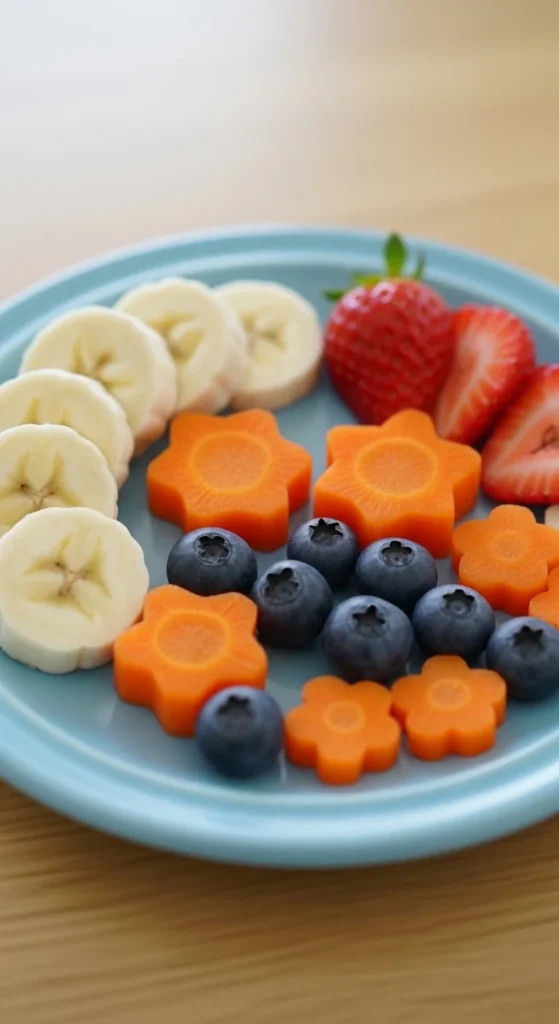
Before we dive into the “how,” it’s important to understand why food size matters. At this stage, babies are working on their fine motor skills, but they still don’t have the ability to chew as well as an adult. Foods that are too large or too difficult to chew can cause choking hazards. That’s why cutting food into appropriate sizes can help minimize risks and encourage safe eating habits.
Ideal Food Sizes for a 1-Year-Old
So, how big should you cut the food? Here are some basic guidelines to keep in mind:
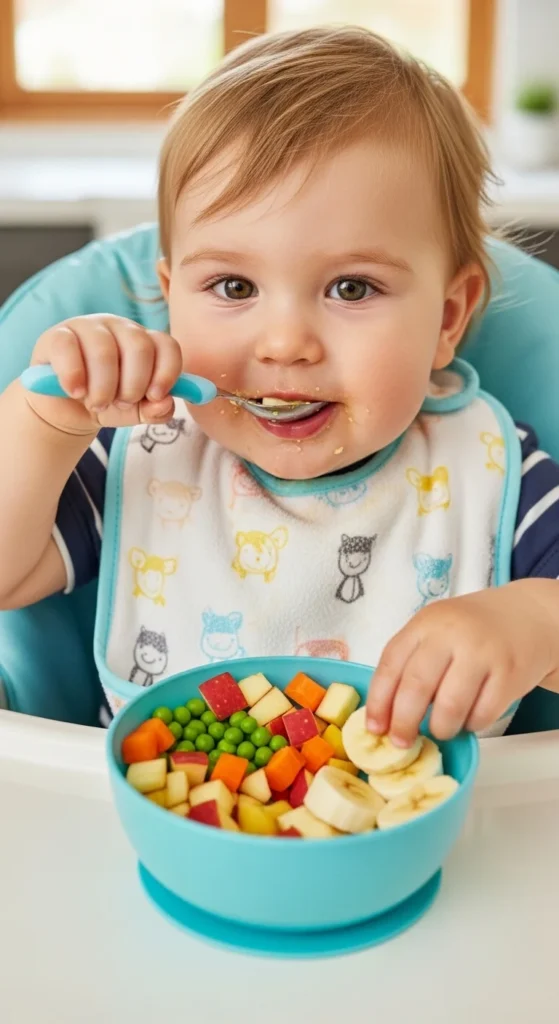
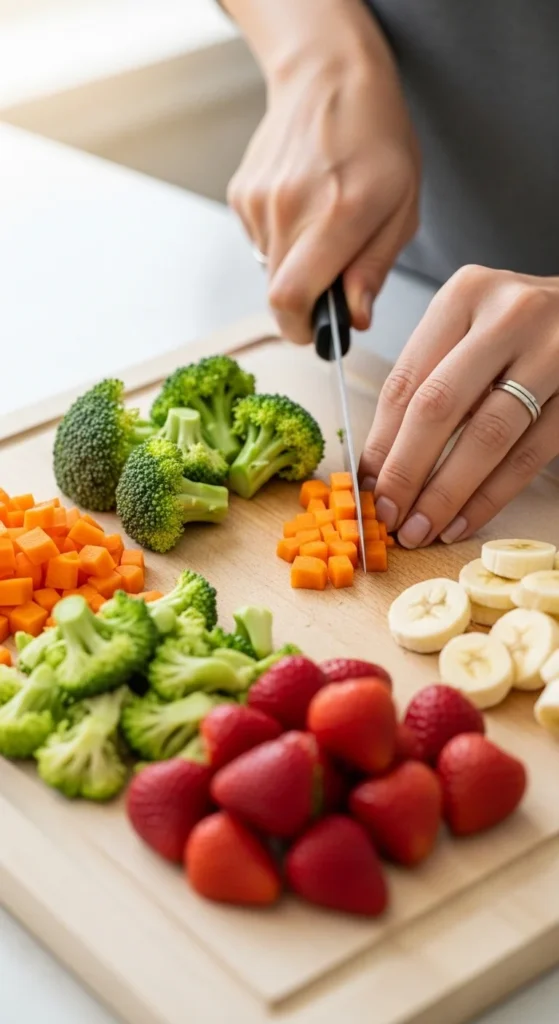
- Finger-Sized Pieces: The best food size for a 1-year-old is often about the size of your little one’s pinky finger. This gives them enough to grab and hold without risking a gag reflex.
- Soft and Bite-Sized: Foods like fruits and vegetables should be soft enough for your baby to gum or mash with their gums. Think bite-sized, manageable pieces, not large chunks.
- Avoiding Whole Pieces: Foods like grapes, nuts, and popcorn should be avoided in their whole form. Instead, cut grapes into quarters, chop nuts finely, and stay away from hard, crunchy foods.
Foods That Are Easy to Cut for Babies
Here are some baby-friendly foods that are easy to cut and perfect for little hands:
Soft Fruits
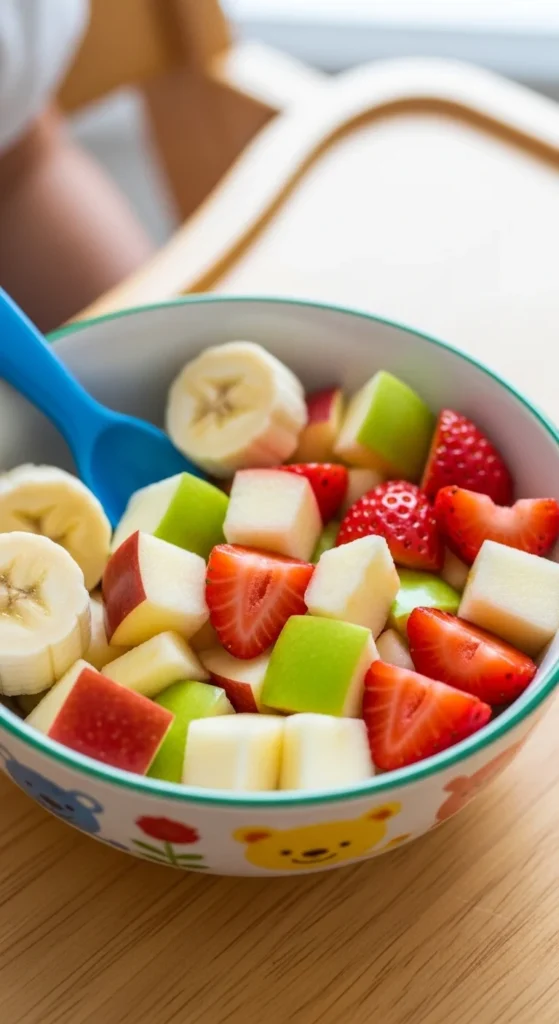
- Bananas: Peel and slice into thin rounds or small strips that your baby can hold and nibble on.
- Pears and Apples: Cut these into small cubes or thin wedges. If your baby struggles with tougher skin, peel it off to make them easier to chew.
- Berries: For smaller fruits like strawberries, cut them into quarters, and remove any tough stems.
Vegetables
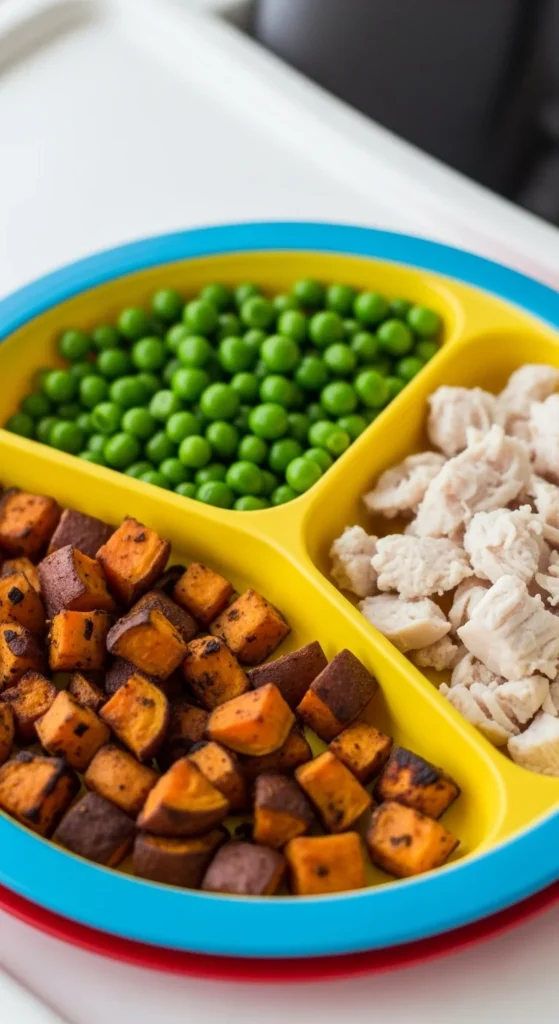
- Carrots: Steam carrots until they are soft enough to mash with gums, then slice them into small rounds or strips.
- Sweet Potatoes: Roast or steam sweet potato pieces until soft. Cut into small cubes or strips to make them easy to grasp.
- Peas and Corn: These tiny veggies can be served whole but should be soft enough for the baby to chew and swallow easily.
Proteins
- Chicken: Cook chicken thoroughly, then cut it into small, thin strips or bite-sized cubes. Make sure it’s tender and easy to chew.
- Tofu: Soft tofu can be cut into small cubes. It’s gentle on little teeth and a good source of protein.
- Eggs: Scramble eggs until fully cooked and cut them into small pieces or offer them in an omelet form, chopped into small squares.
Tips for Cutting Food Safely
- Use Safe Cutting Tools: A good, sharp knife or a baby food cutter will make the process easier. Try to avoid using dull knives, which can squish food instead of slicing it neatly.
- Cook Thoroughly: For certain foods, like carrots, potatoes, and meats, make sure they are fully cooked until soft. This prevents hard or chewy pieces that can be a choking hazard.
- Shape Matters: Instead of cutting food into round shapes, cut it into strips or wedges, which are easier for babies to grab. Square or rectangular shapes tend to work best.
- Avoid Hard and Crunchy: Stick with soft, tender foods and avoid anything that might be too crunchy or tough, like raw carrots, uncooked apples, or large pieces of nuts.
What to Avoid When Cutting Food for Babies
While it’s important to focus on what to cut, it’s just as essential to know what to avoid. Here’s a list of foods that can be a choking hazard or may need extra precautions:
- Whole Grapes: Always slice them lengthwise into quarters.
- Popcorn and Nuts: These should not be given to children under 4 years old.
- Cheese Chunks: Cut cheese into smaller pieces or strips that are easy for your baby to handle and chew.
- Hard Candy: Avoid these altogether until your child is much older.
Encourage Self-Feeding
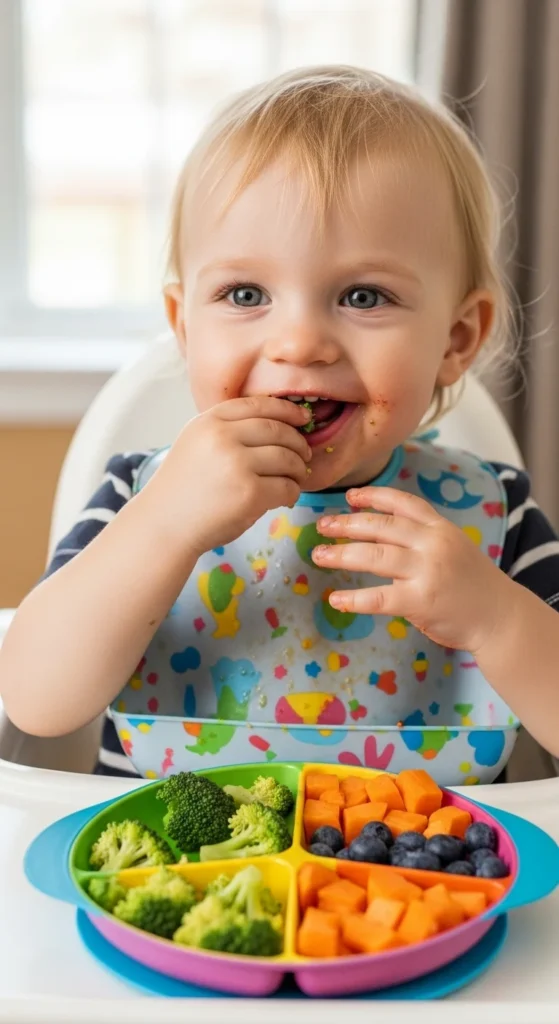
At this stage, self-feeding is crucial for your baby’s development. Offer a variety of foods in easy-to-grab pieces, allowing them to feed themselves. This helps develop their fine motor skills and gives them a sense of independence. Plus, it can make mealtimes much more enjoyable for everyone!
Final Thoughts
Cutting food for a one-year-old is all about safety and encouragement. By following these easy steps and cutting food into manageable, bite-sized pieces, you’ll help your baby develop good eating habits and allow them to explore new textures. Be sure to stay mindful of food size and preparation, and always monitor your child during mealtime.
Save this guide for your next meal prep, and watch your little one enjoy new foods with confidence and ease!
Would you like more tips on baby-friendly foods or meal prepping for toddlers? Let us know!
Leave a Reply