

Sticking to a healthy diet can be tricky, especially when common mistakes trip us up. Whether you’re trying to shed a few pounds, boost your energy, or simply improve your eating habits, diet missteps can quickly derail your progress. Fortunately, most of these mistakes are easy to fix, and a few small tweaks can make all the difference in reaching your nutrition goals.
In this guide, we’ll explore some of the most common diet food mistakes and how to fix them. Ready to get back on track? Let’s dive in!

1. Skipping Meals
We’ve all heard the myth that skipping meals can help you lose weight, but this is far from true. In fact, skipping meals can make you overeat later in the day, causing blood sugar spikes and crashes that leave you feeling sluggish and craving unhealthy foods.
How to Fix It:
- Eat Regularly: Aim for three balanced meals a day with healthy snacks in between. This keeps your metabolism steady and helps regulate your appetite.
- Prioritize Protein: Include protein in every meal to help you feel fuller longer. This can be lean meats, beans, or tofu.
2. Choosing “Low-Fat” Processed Foods
When trying to eat healthier, many people turn to “low-fat” or “fat-free” foods. However, these foods often contain added sugars and artificial ingredients to make up for the lack of flavor. This can ultimately sabotage your diet and lead to weight gain.
How to Fix It:
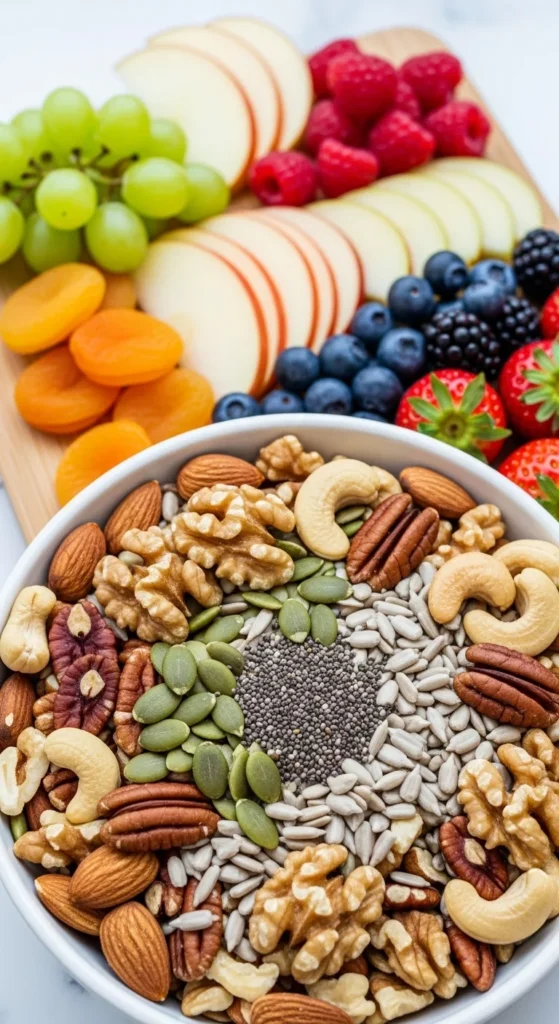
- Choose Whole Foods: Opt for whole foods like fresh fruits, vegetables, whole grains, and healthy fats (think avocados, nuts, and olive oil) instead of processed low-fat versions.
- Read Labels: Always check ingredient lists for added sugars or hidden unhealthy fats.

3. Overloading on Healthy Snacks
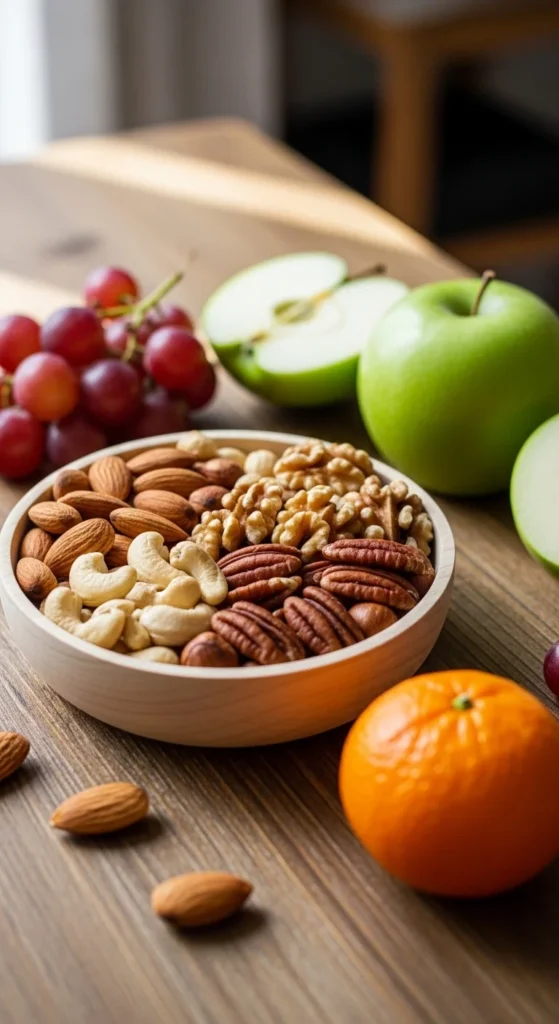
Healthy snacks, such as nuts, yogurt, and granola bars, are great options when you’re hungry between meals. But it’s easy to overeat even healthy foods. Nuts, for example, are nutrient-dense but also high in calories, and those extra calories can quickly add up if you’re not mindful of portion sizes.
How to Fix It:
- Portion Control: Pre-portion snacks into small servings to avoid mindlessly overeating.
- Focus on Fiber: Choose snacks rich in fiber to keep you full longer without packing in too many calories. Think apples with almond butter, or veggie sticks with hummus.
4. Relying Too Much on Smoothies
Smoothies can be a great way to pack in fruits and veggies, but sometimes they can become a sugary, calorie-laden drink instead of a healthy option. When made with sugary fruit juices, added sweeteners, or too much high-calorie ingredients like peanut butter, smoothies can turn into a diet disaster.
How to Fix It:
- Watch the Ingredients: Stick to whole fruits, leafy greens, and a small amount of healthy fats (like chia seeds or avocado). Skip the sugary yogurt or fruit juices.
- Use Water or Unsweetened Almond Milk: For a base, choose water, unsweetened almond milk, or coconut water to keep the calorie count low.

5. Ignoring Hydration
Staying hydrated is often overlooked, but dehydration can lead to fatigue, headaches, and overeating. Sometimes, your body mistakes thirst for hunger, causing you to reach for a snack when all you need is a glass of water.
How to Fix It:
- Drink Water Throughout the Day: Keep a water bottle with you at all times and sip consistently. Aim for at least 8 cups a day, more if you’re active.
- Add Some Flavor: If plain water isn’t exciting, infuse it with fresh fruits or herbs like lemon, mint, or cucumber to keep things interesting.

Conclusion
Making simple adjustments to your diet can lead to big results. By avoiding these common diet mistakes, you’ll feel more energized, satisfied, and on track toward your health goals. Remember, it’s all about balance—don’t be afraid to indulge occasionally, but be mindful of your choices and stay consistent.
Save this guide for later and start making these easy changes today!

Leave a Reply