

Introducing new foods to your 1-year-old can be an exciting, yet challenging experience. The idea of expanding their palate can feel overwhelming, especially when mealtime turns into a battleground. But with patience, creativity, and a little strategy, you can make this transition smoother and more enjoyable for both you and your little one.
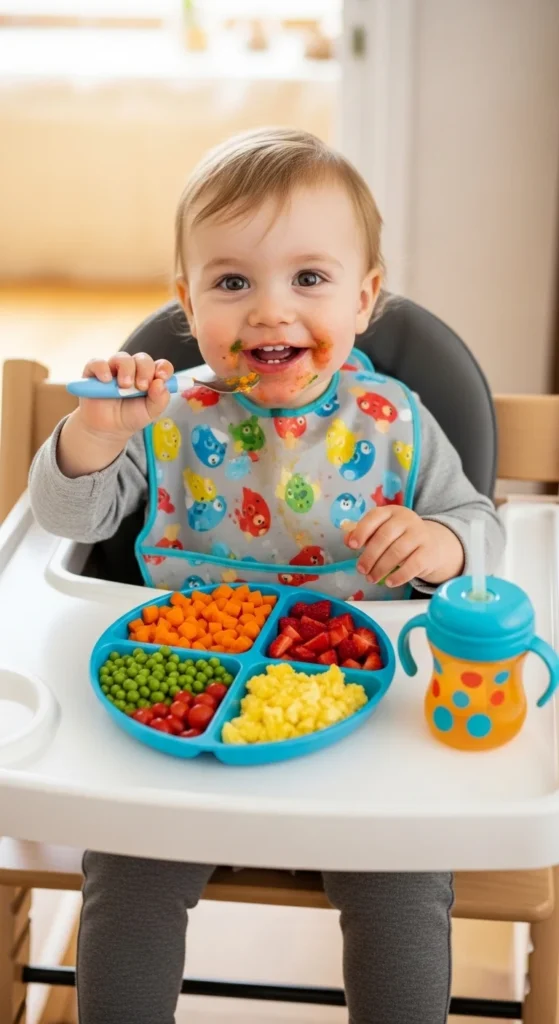
1. Start with Familiar Favorites
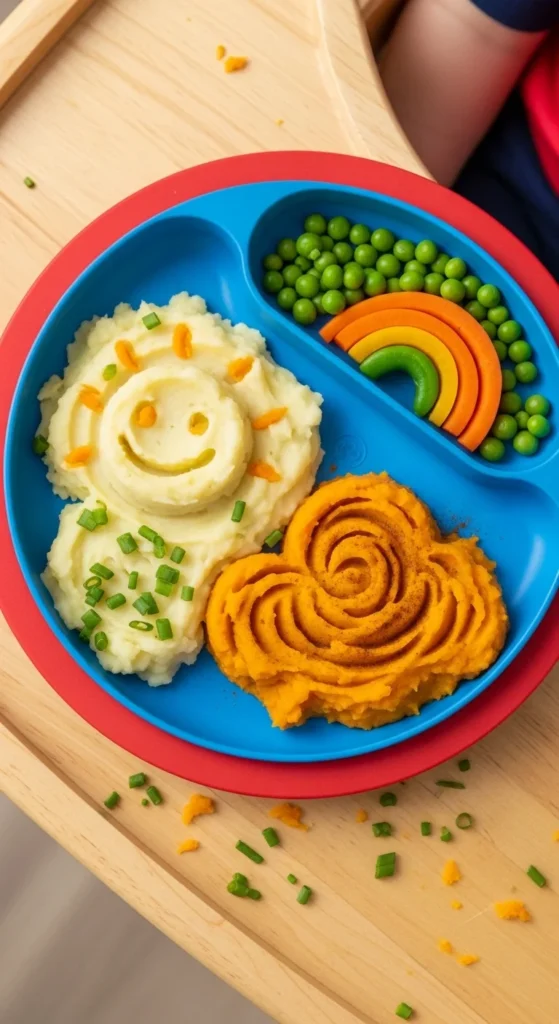
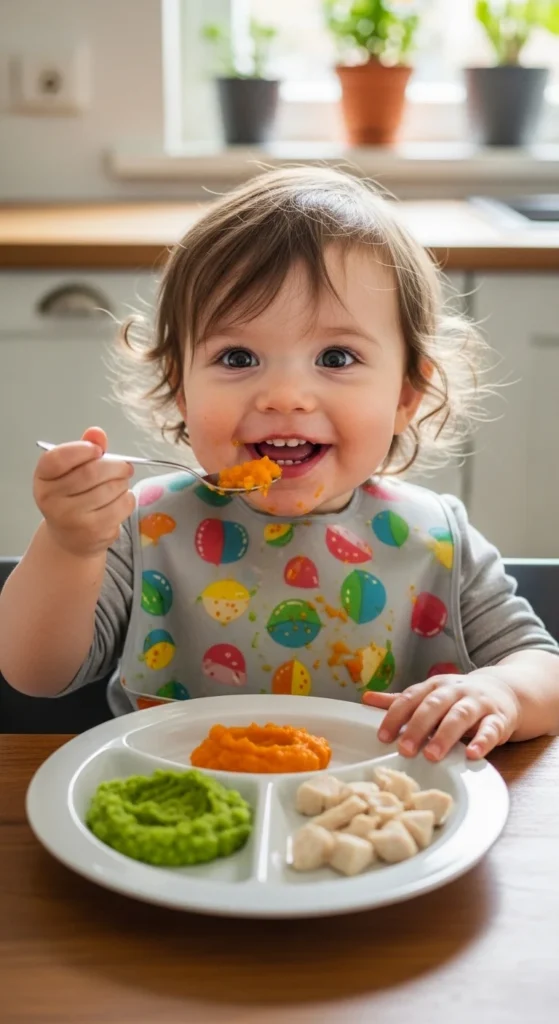
When introducing a new food, pair it with something your child already loves. This creates a sense of comfort and helps ease the transition. For example, if they enjoy mashed potatoes, try adding a small scoop of mashed sweet potatoes or pureed carrots on the side.
- Why it works: Familiar foods give your child the confidence to try something new without feeling overwhelmed.
- Tip: Don’t pressure them to eat the new food right away. Let them explore it at their own pace.
2. Be a Role Model
One of the most powerful ways to encourage your child to try new foods is by eating them yourself. Babies and toddlers are highly observant and often imitate their parents’ behavior.
- Why it works: When they see you enjoying a new food, they’re more likely to be curious and open to it.
- Tip: Show excitement when trying new foods, and keep a positive attitude, even if they don’t immediately take a bite.

3. Offer a Variety of Textures
At this age, babies are exploring not just flavors, but also textures. Offering different textures (smooth, chunky, soft, crunchy) helps them get used to the idea of variety in their diet.
- Why it works: The sensory experience of different textures can be fun and intriguing for your little one.
- Tip: Serve food in a variety of ways—purees, mashed, diced, or even finger foods for a more interactive experience.
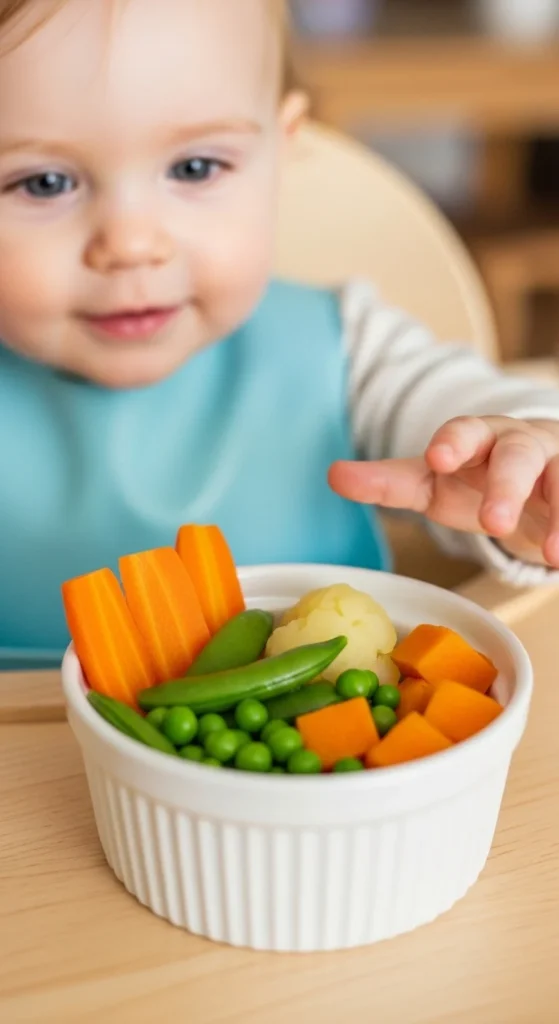
4. Keep Mealtime Stress-Free
Children are sensitive to stress, and mealtime battles can create negative associations with food. Try to keep the atmosphere calm and relaxed. Avoid turning mealtime into a power struggle by offering food without forcing them to eat.
- Why it works: A positive mealtime experience will make them more open to trying new foods in the future.
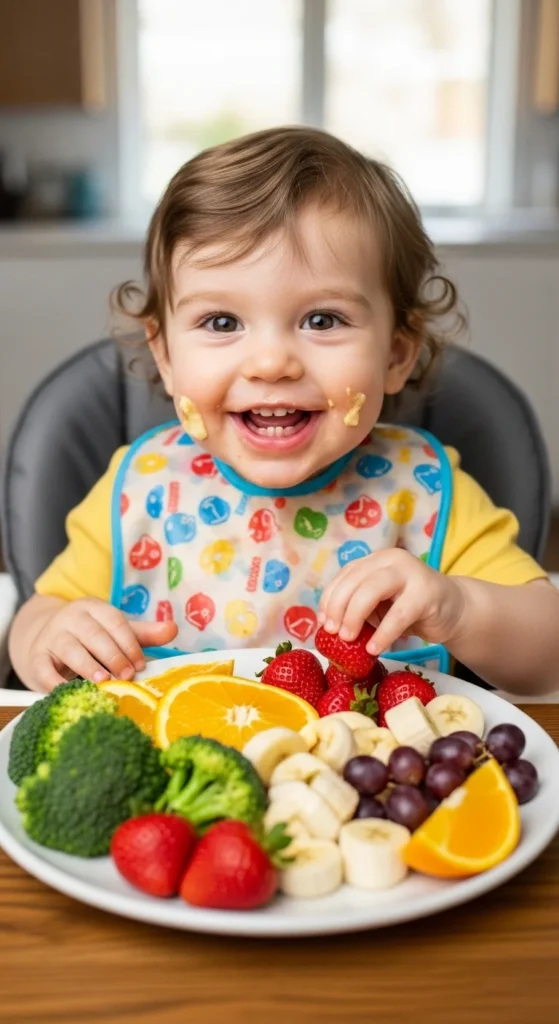
- Tip: Allow them to explore the food with their hands or play with it before eating. This hands-on approach can make mealtimes more enjoyable.
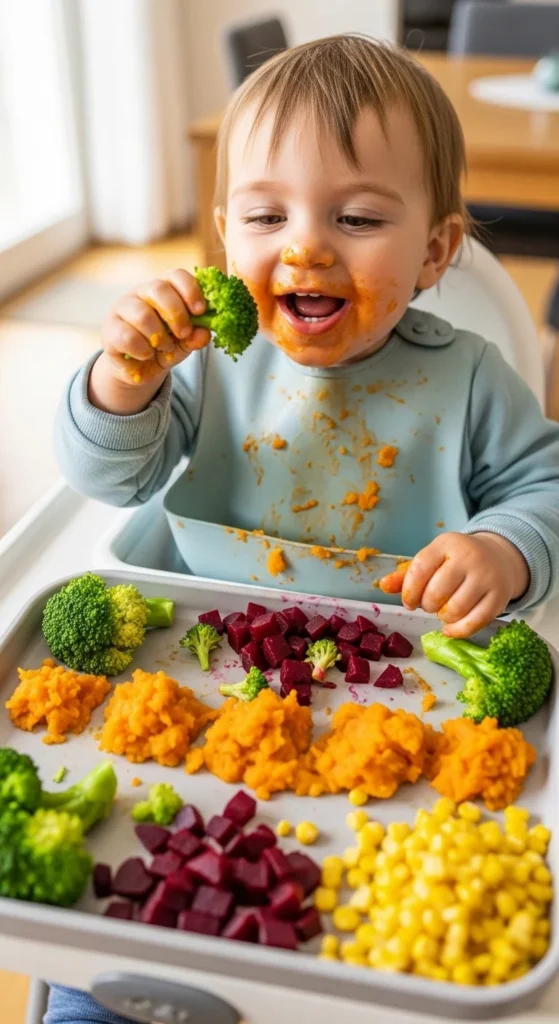
5. Be Patient and Consistent
Introducing new foods takes time, and it’s important to be patient. Research shows that children may need to try a new food up to 15 times before they develop a liking for it.
- Why it works: Repeated exposure to the new food without pressure helps them feel more comfortable with it over time.
- Tip: Don’t be discouraged if they refuse a new food the first few times. Keep offering it in different forms and contexts, and let them warm up to it at their own pace.
6. Make Food Fun
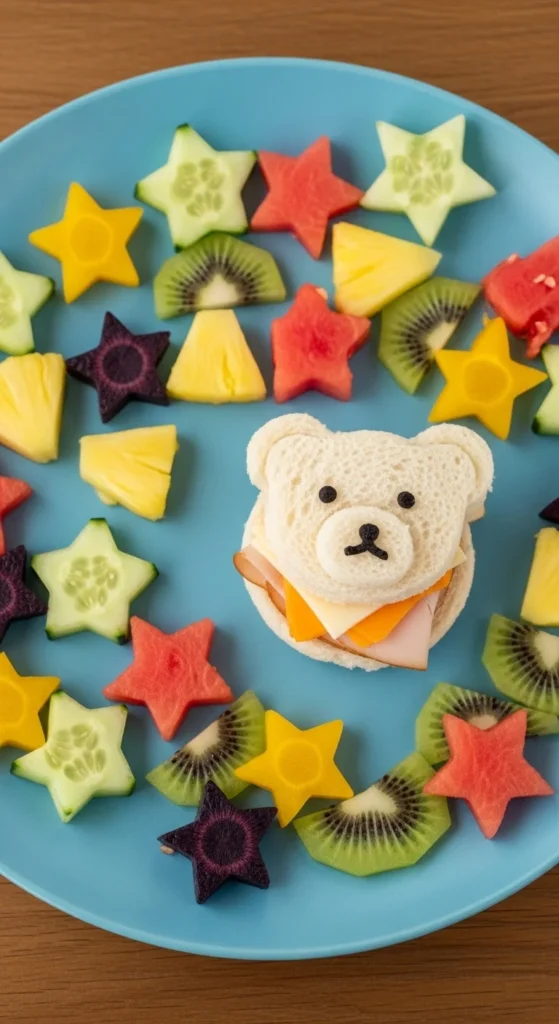
Toddlers love anything that’s fun, so why not make mealtime a little more exciting? You can use cookie cutters to shape vegetables or fruits into fun shapes, or create colorful food combinations that will catch their attention.
- Why it works: Making food fun and visually appealing encourages your child to interact with it and try new things.
- Tip: Let your child participate in simple food prep tasks like mixing ingredients or arranging food on their plate.
Conclusion: Keep It Positive and Enjoy the Journey
Introducing new foods to your 1-year-old doesn’t have to be a battle. By being patient, consistent, and making mealtime a positive experience, you’ll help your child develop a healthy relationship with food. Remember to celebrate each small victory—whether it’s a bite of broccoli or simply exploring a new texture. The more relaxed and encouraging the process, the more your little one will embrace the exciting world of food.
Save these tips for later and share your own creative food ideas with other parents!
Leave a Reply