

Watching your baby learn to feed themselves is one of the sweetest milestones of early childhood. Those tiny fingers grabbing food, the proud smiles after a successful bite, and yes — the inevitable mess — are all part of the adventure. At around one year old, babies are ready to explore textures and flavors while developing independence at mealtime.
The key? Offering foods that are soft, safe, nutritious, and perfectly sized for little hands. The right finger foods encourage motor skills, confidence, and healthy eating habits from the start.
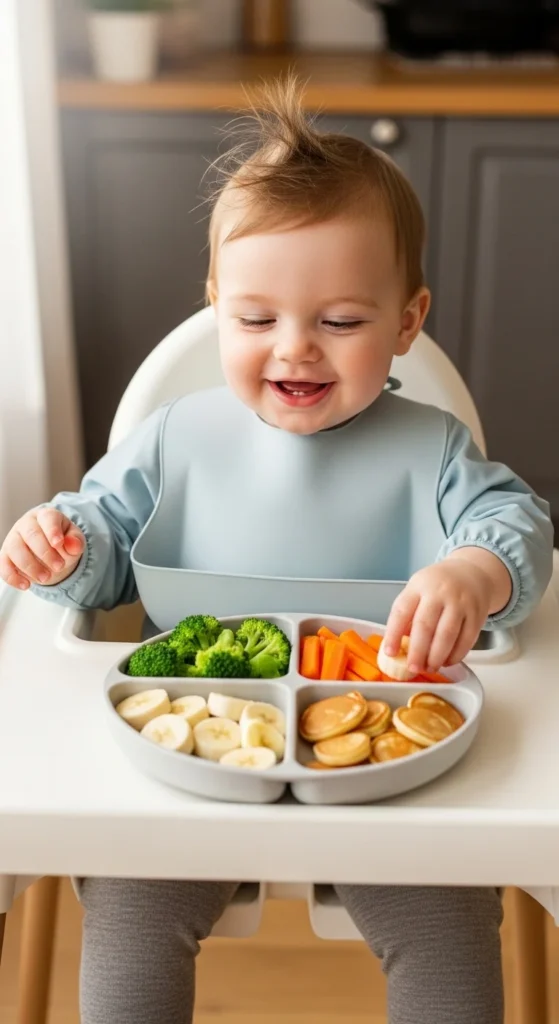
Let’s walk through simple, parent-friendly ways to prepare finger foods your toddler will actually enjoy — without stress or complicated recipes.
Why Finger Foods Matter at This Age
Around 9–12 months, babies develop the pincer grasp (using thumb and finger). Finger foods help strengthen this skill while encouraging self-feeding.
Benefits include:
- Builds hand-eye coordination
- Encourages independence
- Helps babies explore textures safely
- Supports speech development through chewing practice
- Reduces picky eating later
The goal isn’t perfection — it’s exploration.
Safety First: What Makes a Finger Food Baby-Friendly?
Before cooking, keep these safety basics in mind.
✔ Texture Rules
Foods should be:
- Soft enough to mash with fingers
- Easy to gum (even without many teeth)
- Moist, not dry or crumbly
✔ Size & Shape
Cut foods into:
- Small cubes (pea-sized)
- Thin strips
- Naturally soft bite-size pieces
Avoid round, hard foods like whole grapes, raw carrots, popcorn, or nuts.
✔ Cooking Methods That Work Best
- Steaming
- Boiling
- Baking
- Light sautéing
These methods keep foods tender and safe.
Easy Soft Finger Food Ideas to Start With
You don’t need fancy ingredients. Many everyday foods can become perfect toddler snacks.
Fruits (Naturally Soft Options)
- Ripe banana slices
- Soft pear cubes
- Mango pieces
- Avocado chunks
- Steamed apple cubes
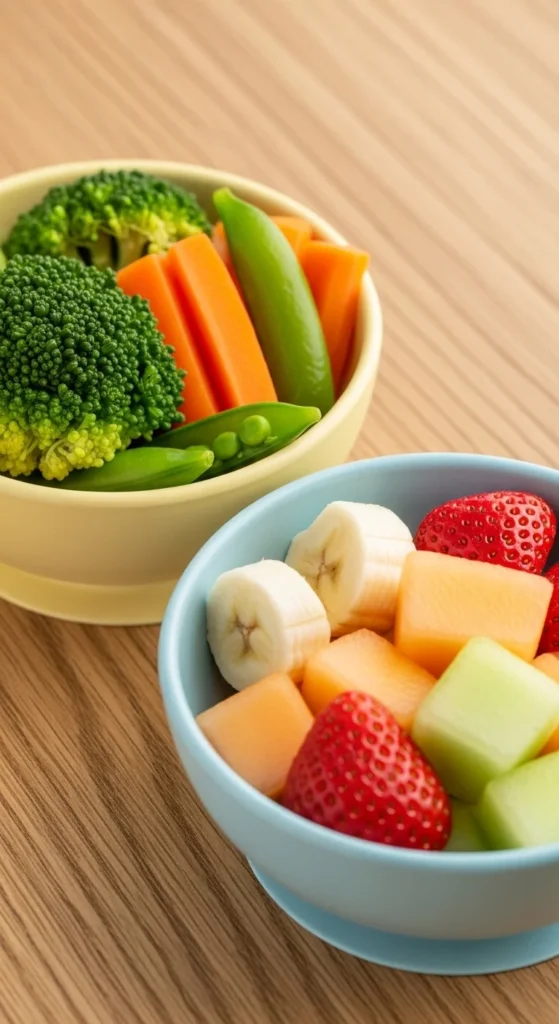
Vegetables
- Steamed carrots
- Soft broccoli florets
- Sweet potato cubes
- Zucchini sticks
- Peas (slightly mashed)
Protein Options
- Scrambled eggs
- Shredded chicken
- Soft lentil patties
- Flaked fish (boneless)
- Cottage cheese clumps
Simple Homemade Finger Food Recipes
Here are easy, quick recipes parents love because they’re nutritious and freezer-friendly.
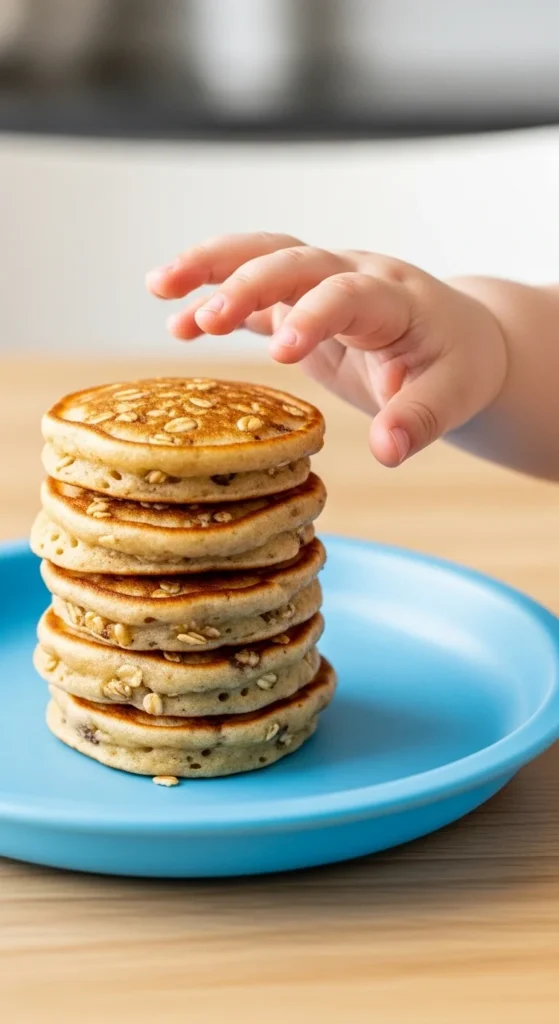
1. Mini Banana Oat Pancakes
Ingredients
- 1 ripe banana
- 1 egg
- 2 tablespoons oats
Steps
- Mash banana until smooth.
- Mix in egg and oats.
- Cook tiny pancakes on a nonstick pan over low heat.
- Flip when bubbles appear.
Cut into strips for easy gripping.
2. Soft Sweet Potato Cubes
How to make
- Peel and dice sweet potato.
- Steam for 8–10 minutes until fork-soft.
- Cool before serving.
Tip: Toss lightly in olive oil for extra calories and flavor.
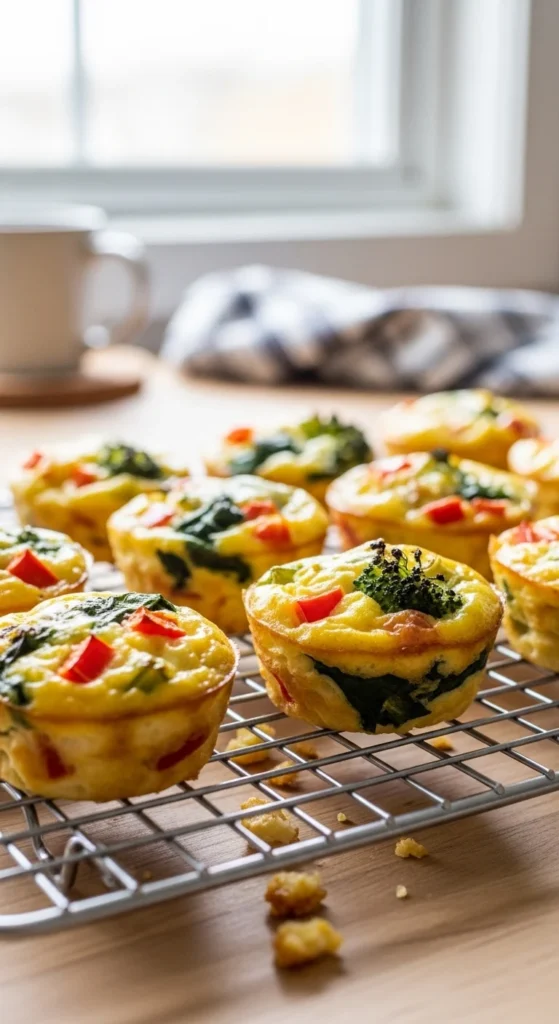
3. Cheesy Vegetable Egg Muffins
Perfect for meal prep!
Instructions
- Whisk eggs with finely chopped spinach and grated carrot.
- Add a little shredded cheese.
- Pour into mini muffin trays.
- Bake at 180°C (350°F) for 12–15 minutes.
These are soft, nutritious, and easy to hold.
Tips to Encourage Self-Feeding
Some babies dive right in — others take time. Both are normal.
Try these gentle strategies:
- Offer food when baby is hungry but calm.
- Sit and eat together — babies copy adults.
- Expect mess (it’s learning, not misbehavior).
- Offer 2–3 choices instead of a full plate.
- Let baby explore textures without pressure.
Pro tip: Preload a spoon occasionally while still allowing finger exploration.
Make-Ahead and Storage Tips
Busy parents need shortcuts!
Meal Prep Ideas
- Freeze pancakes and egg muffins.
- Steam vegetables in batches.
- Store portions in small airtight containers.
Storage Guidelines
- Refrigerate cooked foods for up to 3 days.
- Freeze for up to 2 months.
- Always reheat until warm, not hot.
Having ready-to-go options makes mealtime calmer — especially on busy days.
Signs Your Baby Is Ready for More Texture
As confidence grows, you’ll notice changes:
- Better chewing movements
- Picking up smaller pieces easily
- Less gagging
- Interest in family meals
Gradually introduce slightly firmer textures while supervising closely.
Remember: gagging is a normal learning reflex — choking is silent and requires immediate attention, so always stay nearby during meals.
Final Thoughts: Keep It Simple and Fun
Feeding a one-year-old doesn’t require complicated recipes or special ingredients. Soft textures, safe shapes, and balanced nutrition are all you need to create meals that support growth and independence.
Start small, stay patient, and celebrate the messy progress — every dropped piece is part of learning.
Save this guide for later and try one new finger food this week — your little eater might surprise you!
Leave a Reply