

If you’re looking to shed some pounds, eating the right foods is just one piece of the puzzle. Prepping your meals ahead of time can make all the difference in your weight loss journey. Not only does it save time, but it also ensures you’re fueling your body with healthy, balanced meals. Plus, when meals are prepared and ready to go, you’re less likely to reach for unhealthy snacks. So, let’s dive into how to prep diet food for faster weight loss—step by step!
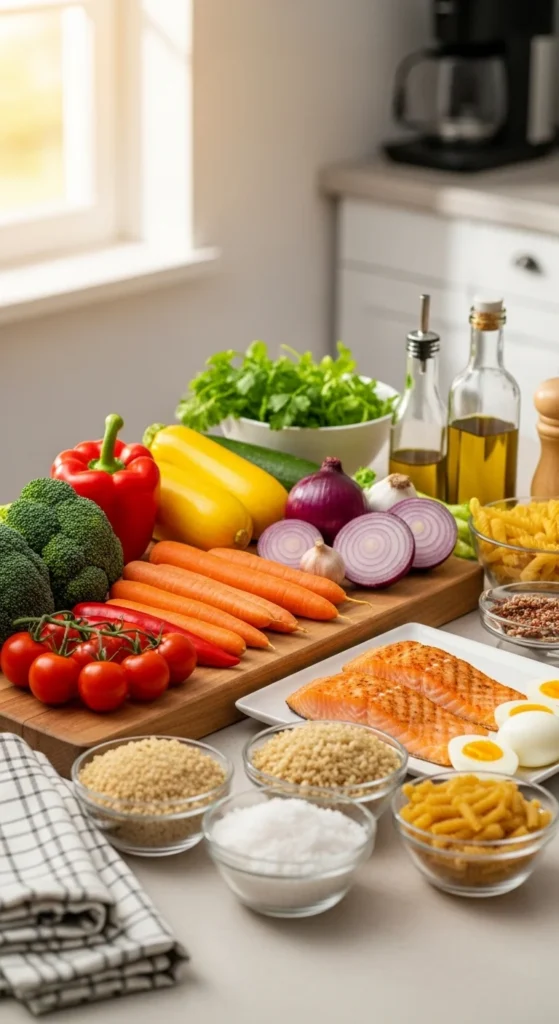
1. Plan Your Meals for the Week
Meal prepping starts with planning. Take a few minutes to think about your meals for the week, keeping in mind your weight loss goals. The key is to have a balance of protein, healthy fats, and fiber-rich carbs. Look for recipes that are simple to make and full of fresh ingredients. Avoid overly processed foods that can slow down your weight loss.
Tips for planning:
- Choose lean proteins like chicken breast, turkey, or tofu.
- Include plenty of colorful vegetables for fiber and nutrients.
- Opt for whole grains like quinoa, brown rice, or sweet potatoes.
- Avoid high-calorie, high-fat ingredients like creamy sauces or sugary condiments.
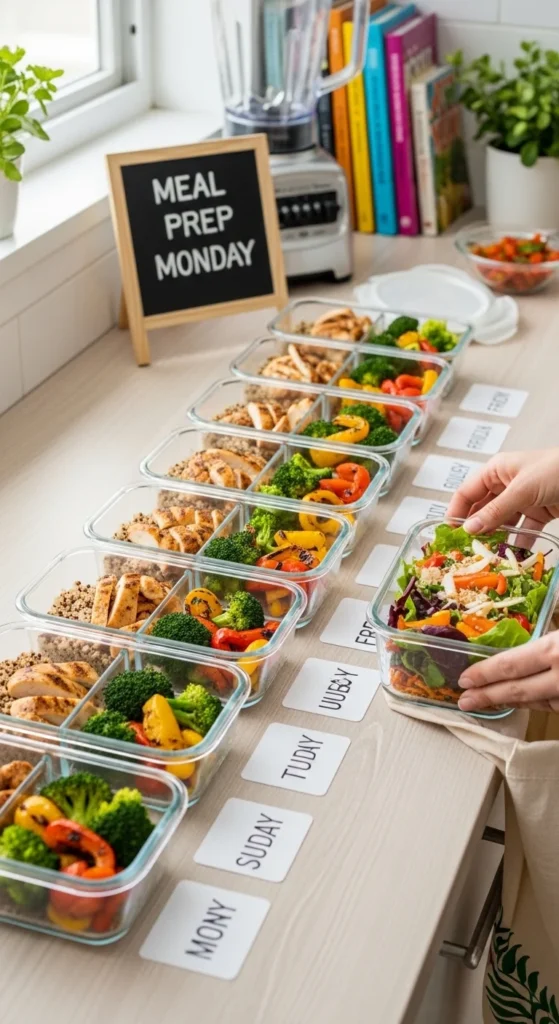
2. Shop Smart
Once you have your meal plan, it’s time to shop. Stick to the perimeter of the store where the fresh produce, meats, and dairy products are located. Avoid the inner aisles where processed and unhealthy snacks lurk.
Shopping list essentials:
- Fresh produce (broccoli, spinach, bell peppers, etc.)
- Protein sources (chicken, fish, beans, eggs)
- Healthy fats (avocados, olive oil, nuts)
- Fiber-rich carbs (whole grains, oats, sweet potatoes)
- Low-sodium seasonings and fresh herbs for flavor
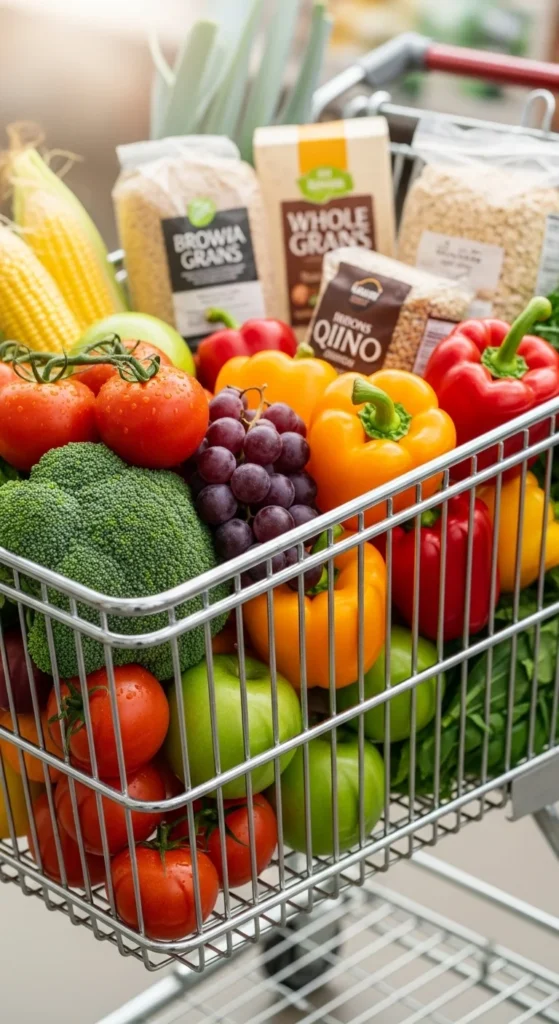
3. Batch Cook Your Proteins
Cooking in bulk is one of the best ways to save time during the week. Grill, bake, or roast your proteins in large quantities. Chicken breasts, turkey meatballs, or even tofu can be cooked in a single batch. Store the cooked proteins in separate containers for easy access.
Tips for batch cooking:
- Use a slow cooker or air fryer for hands-off cooking.
- Marinate your proteins ahead of time to add flavor without extra calories.
- Portion out your proteins into individual servings so you don’t have to worry about measuring later.
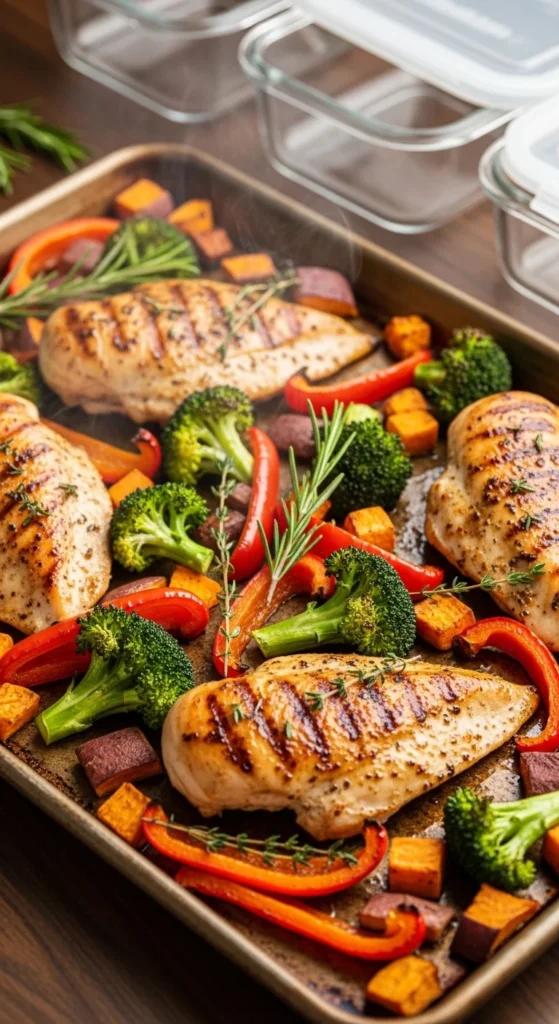
4. Prep Your Veggies
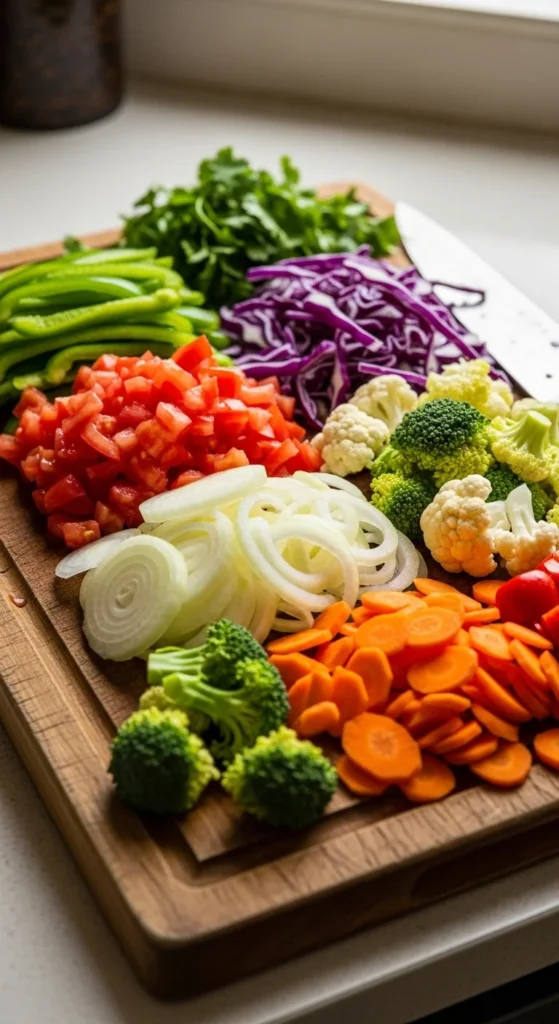
Chopping vegetables in advance not only saves time but also ensures you’re getting all the nutrients you need. Pre-chop or slice your veggies and store them in airtight containers or zip-top bags. You can also roast or sauté them in advance for easy use throughout the week.
Prep suggestions:
- Roasted veggies (carrots, Brussels sprouts, zucchini) for snacks or sides.
- Sautéed leafy greens (spinach, kale) for quick stir-fries or salads.
- Pre-cut veggies like bell peppers, cucumbers, and cherry tomatoes for snacks.
5. Portion Control
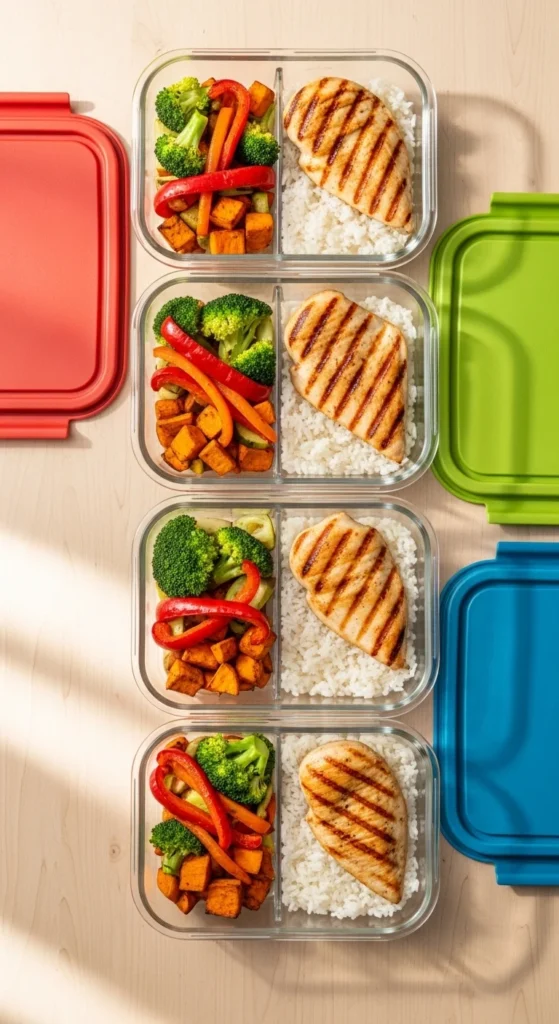
Portion control is crucial when it comes to weight loss. Once your food is cooked, portion it into containers, making sure each meal has a balanced amount of protein, carbs, and vegetables. A good rule of thumb is to fill half of your plate with vegetables, a quarter with lean protein, and a quarter with complex carbs.
Portioning tips:
- Use containers with compartments to keep everything separate and organized.
- Invest in a food scale to ensure you’re getting the right serving sizes.
- Pre-pack snacks like nuts or fruits in small portions to avoid overeating.
6. Add Flavor Without Extra Calories
Sometimes, diet food can feel bland. But with a few flavor-packed additions, your meals will taste amazing and keep you satisfied. Spice things up with herbs, spices, lemon, or vinegar. These will add a burst of flavor without the extra calories.
Flavor tips:
- Experiment with different spices like cumin, turmeric, or chili powder.
- Add fresh herbs such as cilantro, parsley, or basil for a burst of freshness.
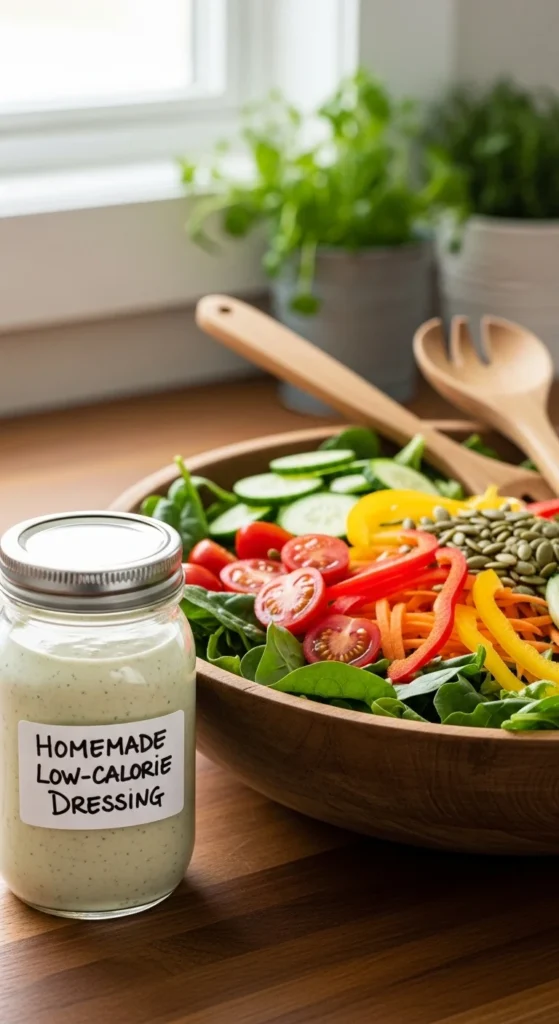
- Use lemon juice or balsamic vinegar for a tangy, low-calorie dressing.
7. Store and Reheat Properly
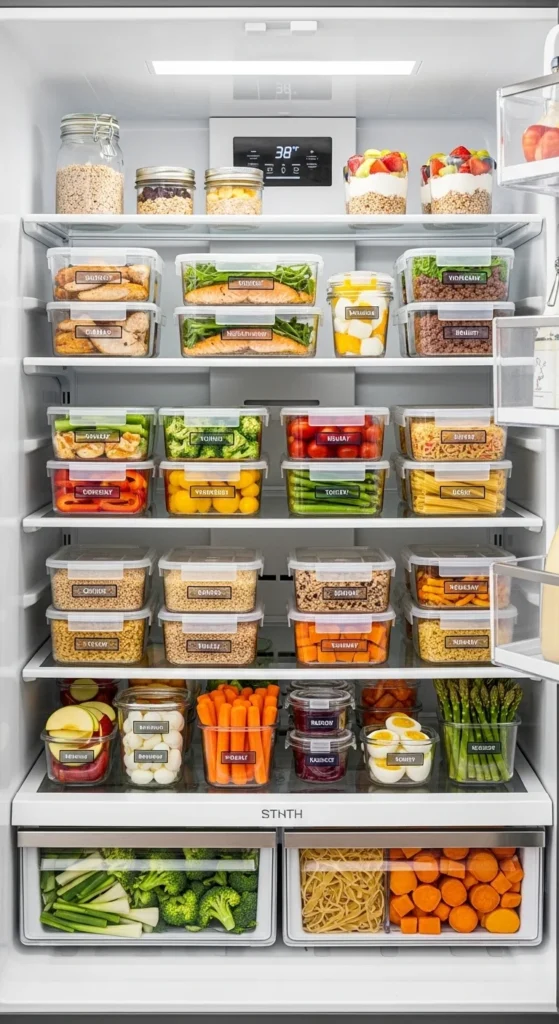
To keep your meals fresh throughout the week, store your prepared meals in airtight containers in the fridge. For meals that won’t be eaten within a few days, consider freezing them for later. When reheating, be mindful of using the microwave on a low setting to prevent drying out your food.
Storage and reheating tips:
- Label your containers with the date so you know when to eat them by.
- Freeze meals like soups or stews for easy dinners.
- Reheat in the oven or stovetop for better texture than the microwave.
Final Thoughts
Meal prepping doesn’t have to be complicated. With a little planning and preparation, you can set yourself up for a week of healthy, weight loss-friendly meals. It’s all about balance, portion control, and making smart choices. So get started on your meal prep today—your future self will thank you!
Save this article for later and start meal prepping like a pro!
Leave a Reply