

Eating diet-friendly meals doesn’t have to feel like pressing repeat on the same plate every day. With a few smart strategies, you can keep meals exciting, flavorful, and satisfying—without drifting off track. The key is rotation, not restriction.
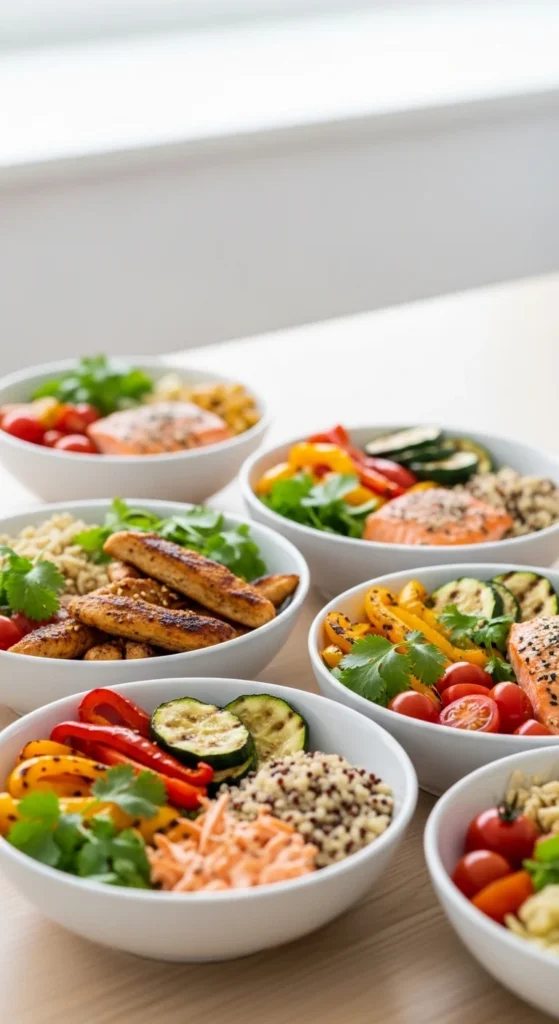
Start With a Simple Rotation System
One of the easiest ways to avoid boredom is to stop thinking in terms of single meals and start thinking in meal categories.
Instead of eating the same dish all week, rotate within a structure:
- Bowl-style meals
- Wraps or stuffed options
- Sheet-pan dinners
- Quick skillet meals
For example, if you love grain bowls, keep the format but switch the details:
- Change the base (rice, quinoa, lentils)
- Swap vegetables (roasted, fresh, or sautéed)
- Rotate proteins and sauces
This way, meals feel familiar—but never dull.
Change Flavors Before Changing Foods
Many people get bored because flavors stay the same, not because the food itself is boring. Flavor rotation can completely refresh meals.
Focus on:
- Different spice blends
- Fresh herbs
- Citrus, garlic, or mild heat
- Creamy vs. tangy sauces
You might use the same protein three times in a week, but season it differently each time.
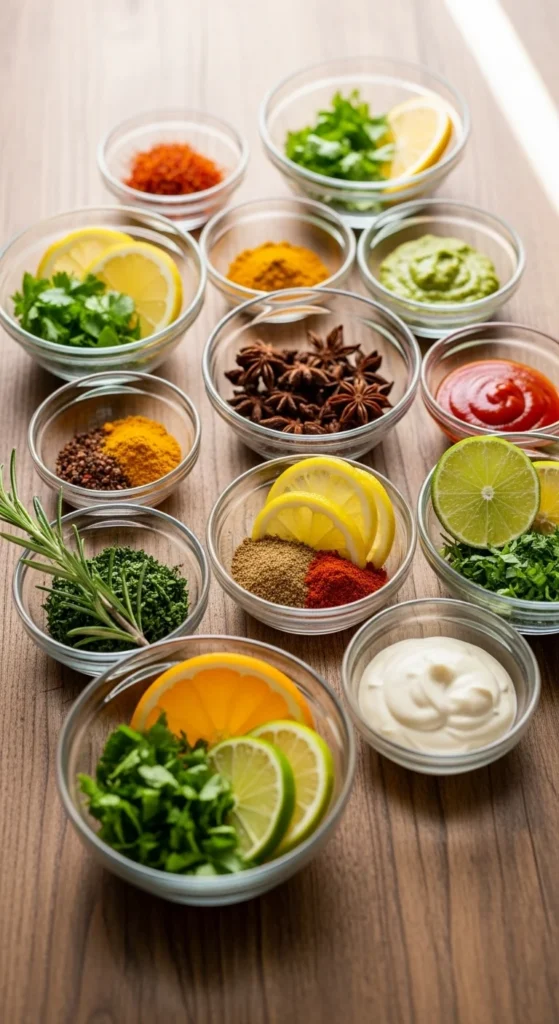
Quick flavor ideas:
- Lemon and herbs
- Mild chili and garlic
- Creamy yogurt-based sauces
- Tomato and herb blends
Same ingredients. Totally different experience.
Build Mix-and-Match Meal Templates
Meal templates save time and keep things interesting. Think of them as flexible blueprints instead of fixed recipes.
Popular templates include:
- Protein + vegetables + sauce
- Stir-fry base + seasonal vegetables
- Salad base + warm toppings
- Wraps with rotating fillings
Once you know the structure, you can change just one or two components and still feel like you’re eating something new.
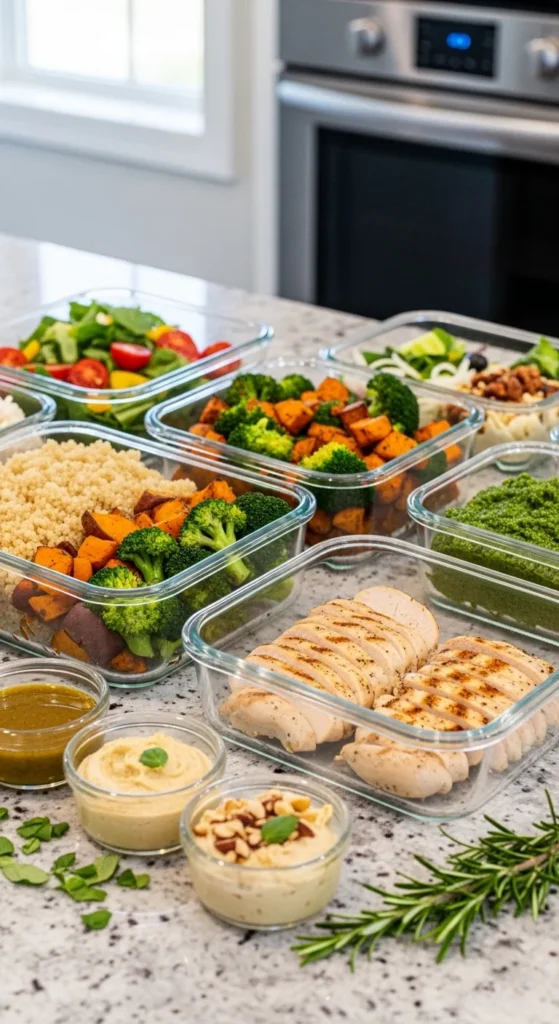
This approach also makes grocery shopping easier and reduces decision fatigue during the week.
Rotate Textures, Not Just Ingredients
Texture plays a huge role in satisfaction. If every meal feels soft or uniform, boredom sets in fast.
Try balancing:
- Crunchy + creamy
- Warm + fresh
- Soft + crisp
Examples:
- Add roasted vegetables to fresh salads
- Sprinkle seeds or nuts over bowls
- Pair warm grains with cool sauces
Small texture changes can make familiar meals feel exciting again.
Use Seasonal Ingredients as a Reset Button
Seasonal produce naturally brings variety without effort. When ingredients change with the season, your meals do too.
Benefits of seasonal rotation:
- Better flavor
- More visual variety
- Less monotony over time
You don’t need to reinvent your menu—just swap what’s in season.
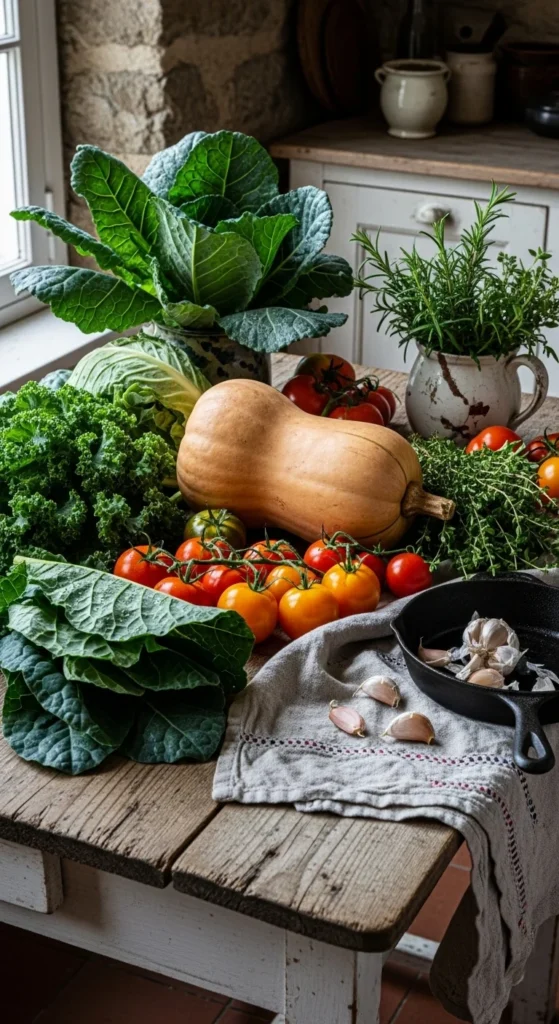
This keeps meals fresh and prevents that “same food” feeling.
Schedule “Theme Days” Each Week
Theme days add structure and excitement. Instead of wondering what to cook, you already know the direction.
Easy ideas:
- Bowl night
- Sheet-pan night
- Wrap night
- Plant-forward night
The theme stays the same, but the ingredients rotate. It’s predictable in a good way—and surprisingly fun.
Keep a Short List of Favorite Swaps
When energy is low, having a go-to swap list makes rotation effortless.
Create simple exchanges like:
- One vegetable for another
- One sauce for a new flavor
- One cooking method for a different texture
You’re not starting from scratch—you’re upgrading what already works.
Plan for Flexibility, Not Perfection
The goal isn’t endless variety. It’s enough variety to stay consistent.
If a meal still sounds good, repeat it.
If boredom hits, rotate one element.
If life gets busy, fall back on templates.
Consistency beats novelty every time—but a little creativity makes consistency easier.
Final Takeaway
Rotating diet meals doesn’t mean cooking something brand new every day. It means changing flavors, textures, and formats just enough to keep things interesting. Use templates, seasonal ingredients, and simple swaps to stay excited about your meals—without extra stress.
Save this guide and come back to it anytime your meals start to feel repetitive.

Leave a Reply