

Sticking to a diet rarely fails because of food — it fails because of routine. One busy morning, one skipped meal, or one stressful evening can quietly knock you off track. The good news? You don’t need extreme discipline or complicated meal plans. What you really need is a simple daily rhythm that makes healthy eating feel automatic instead of exhausting.
When your meals follow a predictable flow, decision fatigue disappears. You stop wondering what should I eat? and start enjoying consistency that actually works long term.
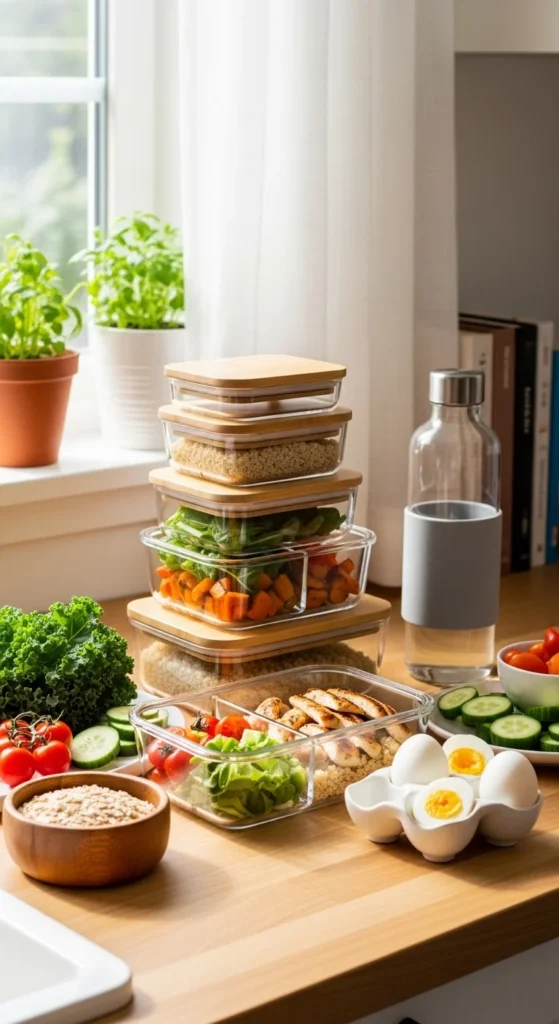
Let’s break down how to build a daily diet food routine you can realistically follow — even on busy days.
Start With a Simple Meal Structure
The biggest mistake people make is trying to reinvent their meals every day. Variety is great, but structure is better.
Instead of planning dozens of meals, create a repeatable daily framework:
- Breakfast: light but filling
- Lunch: balanced and energizing
- Snack: controlled and satisfying
- Dinner: simple and lighter than lunch
Think of it like a template rather than strict rules.
For example:
- Breakfast could rotate between oats, eggs, or yogurt.
- Lunch could always include protein + vegetables + carbs.
- Dinner stays easy — soups, stir-fries, or grilled foods.
This reduces mental effort and helps your body expect food at regular times.
Prep Once, Eat Easy All Week
Consistency becomes effortless when healthy food is already available. You don’t need full meal prep — just prepare components.
Try prepping:
- Washed and chopped vegetables
- Cooked rice or quinoa
- Grilled chicken or beans
- Boiled eggs
- Homemade sauces or yogurt dips
When ingredients are ready, meals take minutes instead of hours.
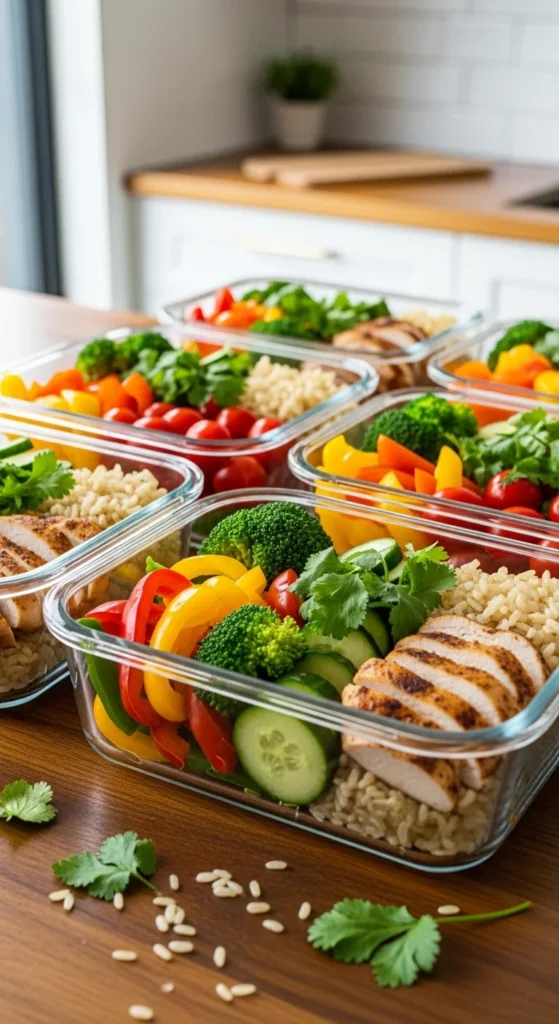
Quick tip: Choose one prep day (Sunday or any free evening). Even 45 minutes of preparation can save your entire week.
Attach Meals to Daily Habits
Motivation changes daily — habits don’t. The easiest way to stay consistent is to link meals with things you already do.
Examples:
- Breakfast right after morning tea or coffee
- Lunch after finishing work tasks
- Snack after a walk or break
- Dinner before relaxing or watching TV
This technique removes the need to “remember” your diet.
Your brain starts associating food with routine triggers, making healthy eating feel natural rather than forced.
Keep Your Meals Comfortably Repetitive
You don’t need new recipes every day. In fact, repeating meals is one of the secrets of people who successfully maintain diets.
Choose:
- 2–3 breakfasts you enjoy
- 3–4 lunches you rotate
- 3 easy dinners
Repetition helps because:
- Grocery shopping becomes easier
- Cooking gets faster
- Portion control improves automatically
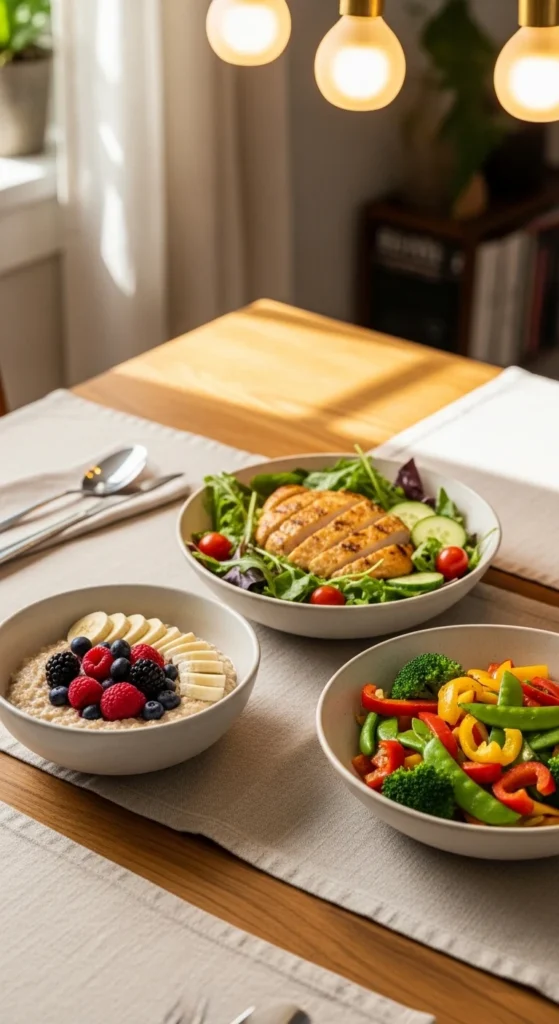
Instead of boredom, think of it as building your personal “default menu.”
Plan for Cravings (Don’t Fight Them)
A strict routine fails when cravings appear unexpectedly. Smart routines include flexibility.
Add a planned treat or satisfying snack:
- Dark chocolate
- Roasted nuts
- Fruit with peanut butter
- Homemade smoothies
When treats are planned, they stop feeling like cheating.
Helpful strategies:
- Eat protein at every meal to stay full
- Drink water before snacking
- Pause 10 minutes before giving in to cravings
Often, cravings are just hunger or fatigue in disguise.
Make Your Environment Work for You
Your surroundings strongly influence your eating habits. Small changes can make discipline almost unnecessary.
Try this:
- Keep healthy snacks visible
- Store junk food out of sight
- Use smaller plates
- Keep a water bottle nearby
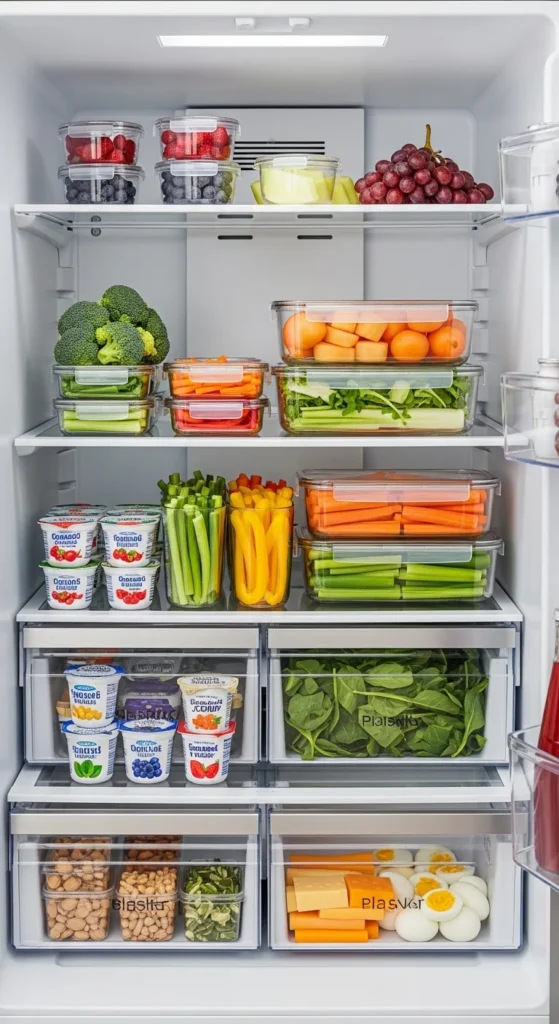
When healthy choices are easier to grab, you naturally stick to your routine.
Focus on Consistency, Not Perfection
One missed meal or off-day doesn’t ruin your progress. The goal is not perfection — it’s returning to your routine quickly.
Remember:
- One unhealthy meal doesn’t matter.
- Skipping your routine for days does.
A powerful mindset shift:
Don’t restart tomorrow — restart at the next meal.
Daily routines succeed because they allow small corrections instead of dramatic resets.
Create a Nighttime Reset Ritual
Your next day’s success often starts the night before.
Spend 5–10 minutes:
- Packing lunch
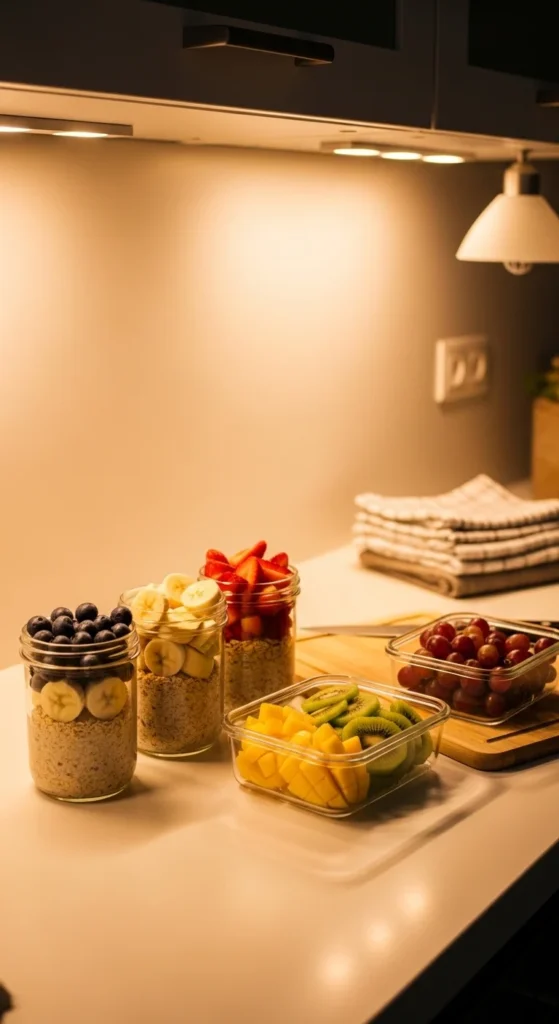
- Soaking oats or prepping breakfast
- Filling your water bottle
- Checking ingredients for tomorrow
This tiny habit removes morning stress and keeps your routine intact.
Final Takeaway
A daily diet food routine isn’t about strict rules or perfect willpower — it’s about making healthy eating predictable, simple, and repeatable. When meals fit naturally into your day, consistency stops feeling like effort.
Start small. Pick one habit today — maybe prepping tomorrow’s breakfast or setting fixed meal times — and build from there.
Save this guide and come back to it whenever your routine needs a reset!
Leave a Reply