

Fat loss isn’t just about eating less—it’s about eating smarter so you stay full, energized, and consistent. If you’ve ever started “diet meals” and quit after 3 days because you were hungry, tired, or bored… you don’t need more willpower. You need a better meal structure.
The good news? Once you learn a simple formula for building meals, fat loss gets way easier—because your plate does the heavy lifting.
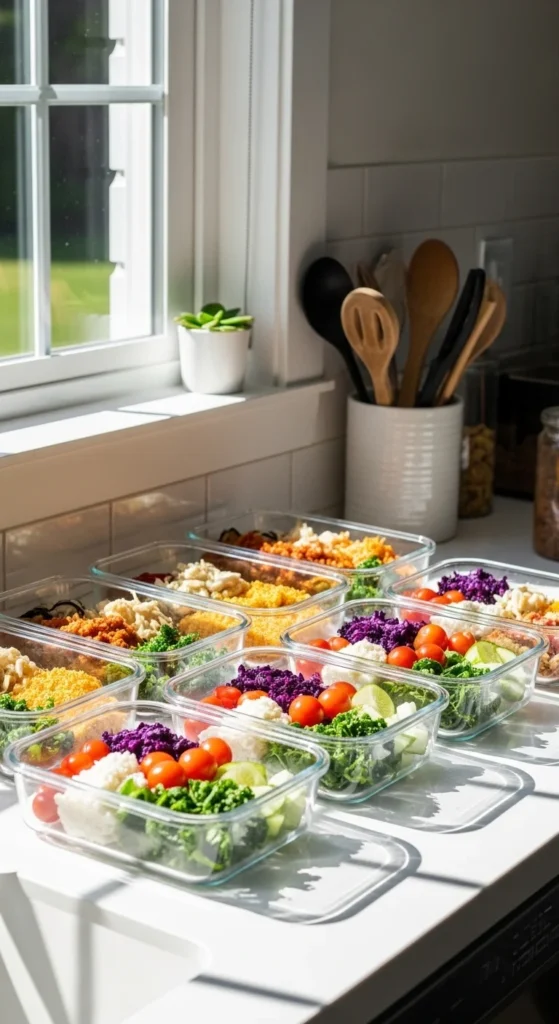
Step 1: Build Every Meal Around the “Protein + Fiber” Rule
If you only change one thing, make it this: every meal starts with protein and fiber.
Why it works:
- Protein helps preserve muscle, keeps you fuller longer, and reduces cravings.
- Fiber slows digestion, stabilizes blood sugar, and adds volume without tons of calories.
Easy protein options (pick 1–2)
- Eggs / egg whites
- Chicken breast or thighs (skinless)
- Fish (salmon, tuna, white fish)
- Greek yogurt / cottage cheese
- Lean beef or turkey
- Tofu, tempeh, lentils
Easy fiber options (pick 1–2)
- Any veggie (especially leafy greens, broccoli, peppers, cucumber)
- Beans and lentils
- Berries, apples, oranges
- Oats, chia seeds, flax
- Whole grains (in controlled portions)
Quick target: Try to get a palm-sized protein portion at meals + 2 fists of veggies or fiber-rich sides.
Step 2: Use the Fat-Loss Plate Method (No Counting Needed)
Portion confusion is real—especially when “healthy” foods still add up fast. This plate method keeps it simple and consistent.
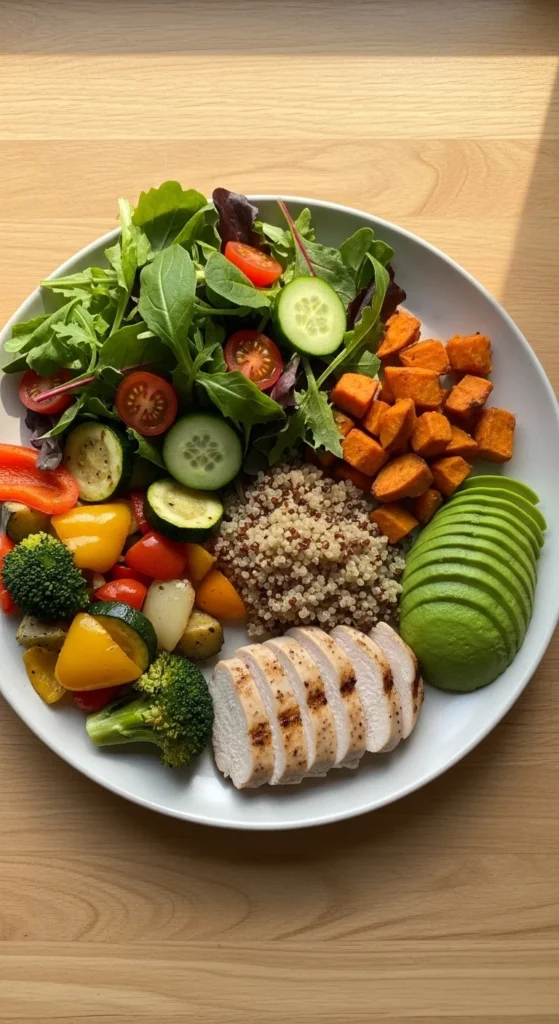
The plate formula
- ½ plate: non-starchy veggies (volume + fiber)
- ¼ plate: protein (satiety + muscle support)
- ¼ plate: smart carbs (energy, workout fuel)
- + 1 thumb: healthy fat (flavor + hormones)
“Smart carbs” that support fat loss
Carbs aren’t the enemy—random portions are.
- Rice (white or brown), quinoa, oats
- Potatoes or sweet potatoes
- Whole wheat roti / whole grain bread
- Fruits (especially around breakfast or workouts)
Tip: If fat loss stalls, reduce carbs slightly at dinner first (not protein).
Step 3: Plan Meals by Day Type (Rest Day vs Training Day)
Your body doesn’t need the same fuel every day. Structuring meals around your activity makes fat loss feel smoother.
On training/active days
- Keep carbs moderate (especially pre/post workout)
- Prioritize hydration and a salty meal if you sweat a lot
Example structure:
- Breakfast: protein + carbs + fruit
- Lunch: protein + veggies + carbs
- Dinner: protein + veggies + smaller carbs
On rest/low-activity days
- Keep carbs lower, but don’t remove them completely
- Add more veggies and healthy fats
Example structure:
- Breakfast: protein + fiber + healthy fats
- Lunch: protein + veggies + small carbs
- Dinner: protein + veggies (minimal carbs)
This isn’t a strict rule. It’s a flexible guide to prevent overeating on low-need days.
Step 4: Make “Go-To Meals” So You Don’t Rely on Motivation
The secret to consistency? Repeatable meals you actually like. You don’t need new recipes daily—you need 6–10 meals that fit your goals and taste great.
3 fat-loss meal templates (mix and match)
1) Power Bowl
- Protein: chicken/tofu/tuna
- Fiber: salad + crunchy veggies
- Carbs: rice/quinoa/potato (¼ bowl)
- Flavor: lemon, herbs, salsa, yogurt sauce
2) High-Protein Breakfast
- Eggs + veggies + fruit
- OR Greek yogurt + berries + chia
- OR omelet + whole grain toast
3) Lean Dinner Plate
- Protein + big veggies
- Small carb OR healthy fat depending on day type
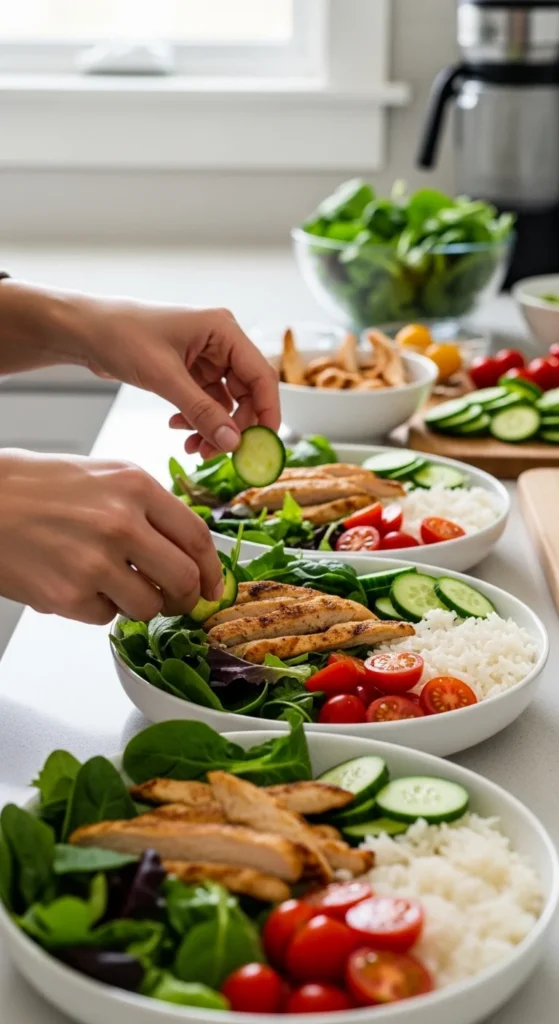
Tip: If you have decision fatigue, build meals from the same “base” (protein + veggie) and rotate sauces.
Step 5: Upgrade Your Meals with Flavor Without Blowing Calories
If your meals taste boring, you’ll “accidentally” end up snacking. Keep meals enjoyable with low-calorie flavor boosters.
Flavor boosters (fat-loss friendly)
- Lemon, vinegar, mustard
- Garlic, ginger, chili flakes
- Fresh herbs (mint, cilantro, parsley)
- Salsa, hot sauce
- Greek yogurt sauces (yogurt + lemon + spices)
- Spice blends: paprika, cumin, black pepper, curry, za’atar
Watch-outs (easy to overdo)
- Oils (even “healthy” ones)
- Nuts and nut butters
- Creamy dressings
- “Healthy” granola and snack bars
Simple rule: Measure oils and nuts once, learn the portion visually, and you’ll stay on track without obsessing.
Step 6: Structure Snacks So They Don’t Turn Into a Second Meal
Snacks can help—if they’re planned. If they’re random, they often become a calorie trap.
Best snack structure: Protein + Produce
Try:
- Greek yogurt + berries
- Cottage cheese + cucumber
- Boiled eggs + fruit
- Protein shake + apple
- Tuna + carrots
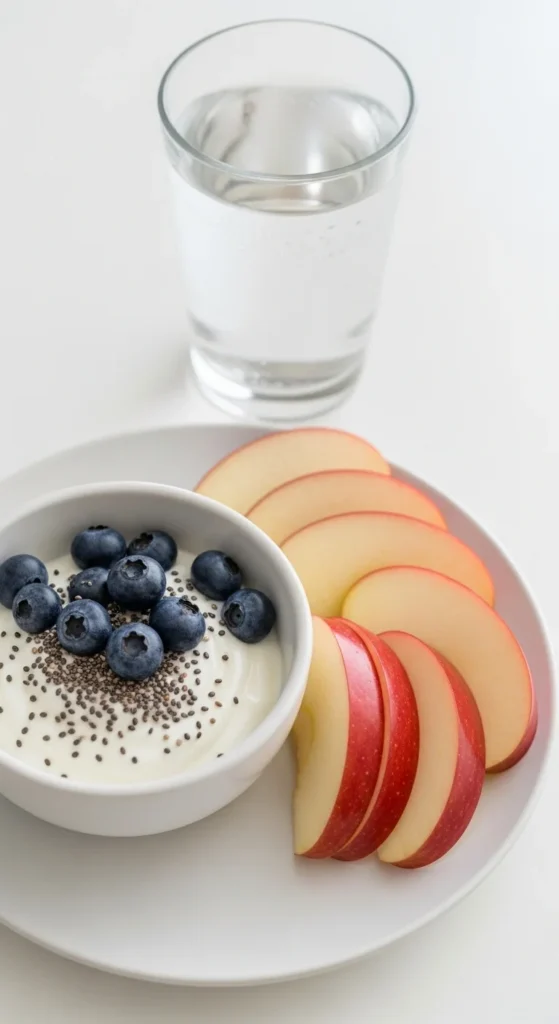
Tip: If you snack because you’re “tired,” try water + 10 minutes first. Sometimes it’s thirst or a stress habit, not hunger.
Your Simple Takeaway: The Meal Formula That Works
If you want fat loss without feeling miserable, stick to this:
Protein + fiber at every meal.
Use the plate method for portions.
Adjust carbs to your activity level.
Repeat a few go-to meals and rotate flavors.
You don’t need perfection—you need a structure you can follow on busy days.
Save this guide for later and build your next meal using the plate method today!
Leave a Reply