

Swapping foods doesn’t mean giving up flavor or comfort—it means finding smarter alternatives that still satisfy. Small changes can add up to big wins for energy, balance, and everyday wellness. If you’ve ever stood in your kitchen wondering how to make meals feel lighter without feeling deprived, this guide is for you.
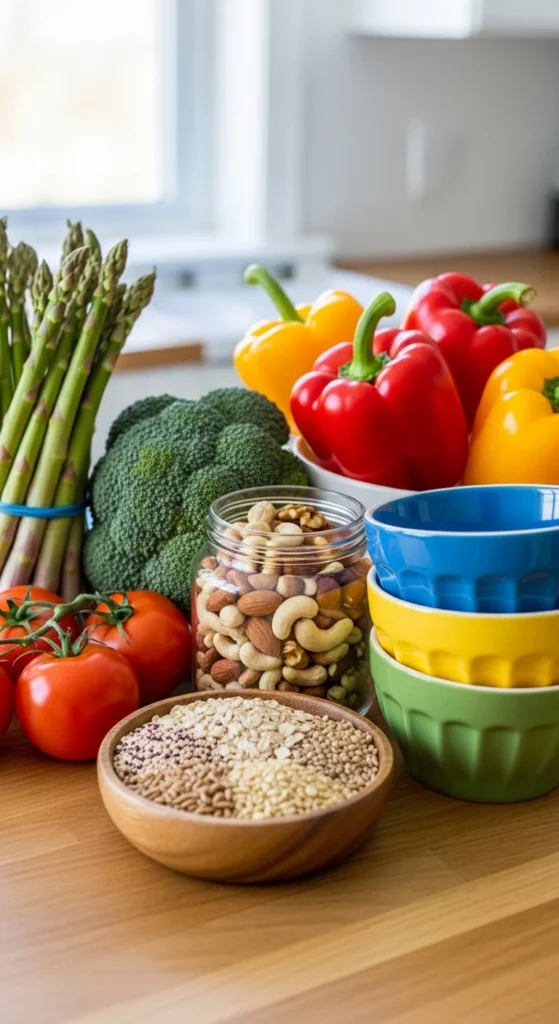
Why Food Substitutions Actually Work
Healthy eating often fails when it feels restrictive. Food substitutions flip that idea on its head. Instead of removing favorite foods, you replace them with options that offer similar taste or texture—but with better nutrition.
Benefits of smart swaps include:
- More fiber and nutrients without drastic changes
- Better portion control without counting every bite
- Easier long-term habits that don’t feel forced
The goal isn’t perfection. It’s progress you can maintain.
Swap Refined Grains for Whole Options
One of the easiest places to start is with grains. Refined grains are common in everyday meals, but whole versions offer more fiber and lasting energy.
Try these simple swaps:
- White rice → brown rice or quinoa
- Regular pasta → whole-grain or lentil pasta
- White bread → whole wheat or sprouted bread
These alternatives keep you fuller longer and help prevent energy crashes.
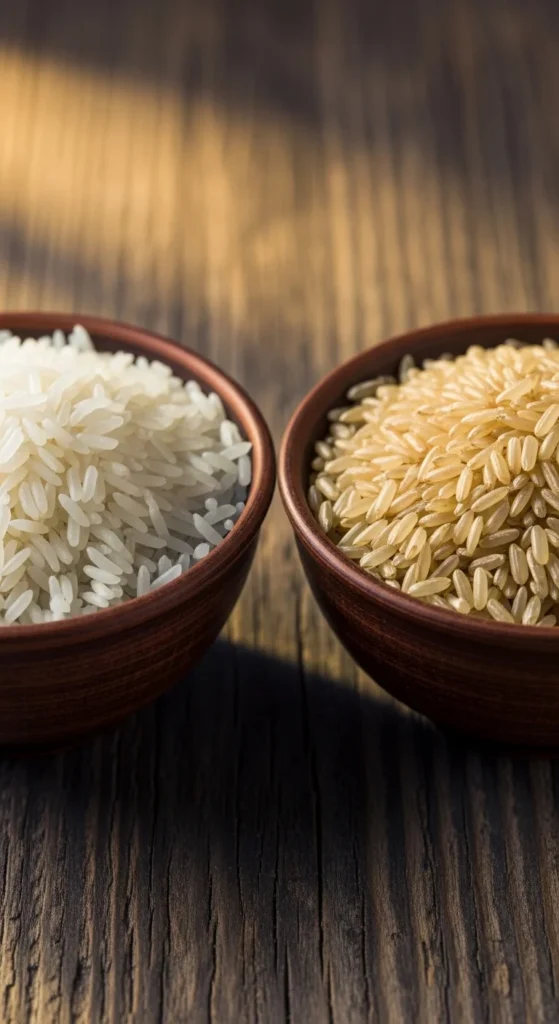
Tip: If the texture feels too different at first, mix half refined and half whole grains until you adjust.
Replace Heavy Ingredients with Lighter Choices
Creamy and rich ingredients are comforting, but you don’t need them in large amounts to enjoy your meals.
Healthier substitutions include:
- Cream → plain yogurt or blended cottage cheese
- Butter-heavy spreads → mashed avocado or olive oil
- Sugary sauces → homemade versions with herbs and spices
These swaps reduce excess fats while keeping meals satisfying.

Quick win: Use spices, citrus, and herbs to boost flavor instead of relying on heavy ingredients.
Choose Lean Protein Alternatives
Protein is essential, but the source matters. Leaner options can support balance while still keeping meals filling.
Smart protein swaps:
- Fatty cuts → lean poultry or fish
- Processed options → beans, lentils, or chickpeas
- Large portions → smaller servings paired with vegetables
Plant-based proteins also add fiber, making meals more satisfying overall.
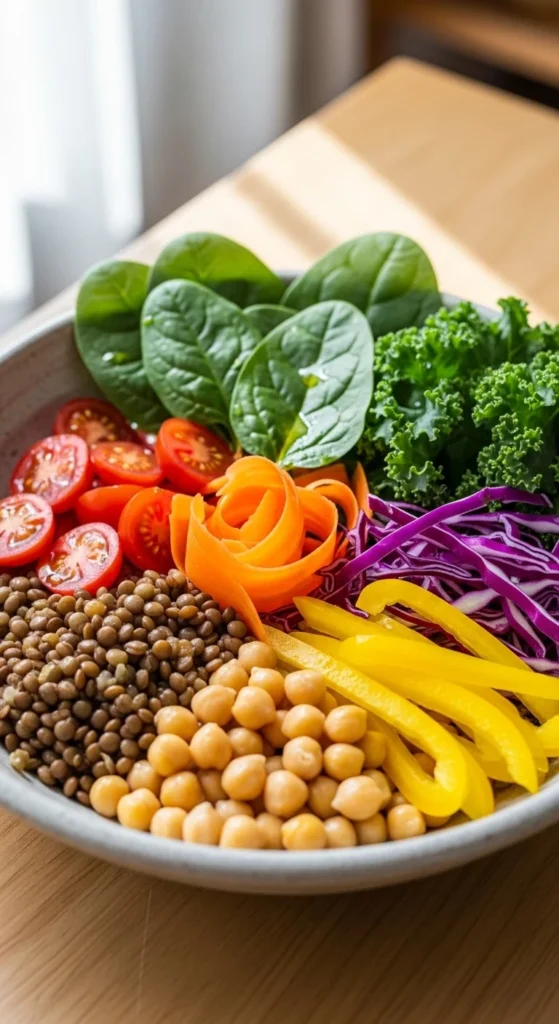
Kitchen tip: Season plant-based proteins well. Texture improves with roasting or light sautéing.
Swap Sugary Snacks for Naturally Sweet Options
Cravings happen. The trick is choosing options that still feel like a treat.
Healthier snack swaps:
- Candy → fresh fruit with nut butter
- Sweet baked goods → oat-based or fruit-forward snacks
- Sugary spreads → blended dates or fruit purée
Natural sweetness satisfies cravings without the sharp energy dips.
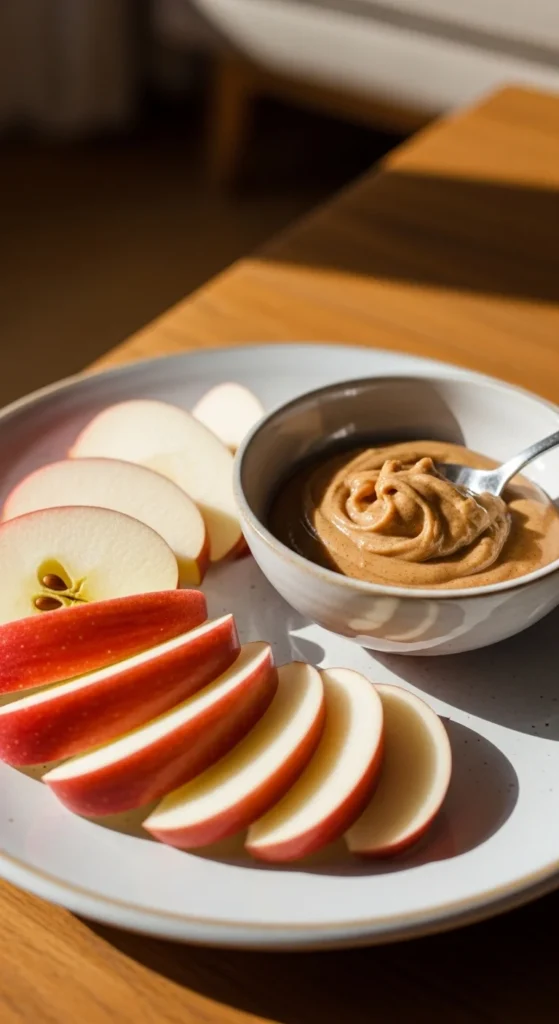
Mindset shift: Enjoy snacks slowly. Satisfaction often comes from how you eat, not just what you eat.
Make Substitutions One Step at a Time
Trying to change everything at once can feel overwhelming. The best results come from gradual swaps that fit your lifestyle.
Start here:
- Pick one meal per day to improve
- Keep favorites and adjust ingredients
- Repeat what works and skip what doesn’t
Consistency matters more than perfection.
Final Takeaway
Healthy food substitutions aren’t about rules—they’re about making everyday choices easier and better. With small, realistic swaps, you can enjoy meals you love while supporting long-term wellness.
Save this guide for later and try one new substitution this week. Your future meals will thank you.

Leave a Reply