

Changing the way you eat doesn’t have to feel like punishment. In fact, the most successful diet lifestyles don’t start with restriction — they start with small, realistic shifts that slowly reshape your habits. Imagine opening your fridge and actually wanting what’s inside because your meals feel fresh, energizing, and satisfying instead of boring or forced.
The truth is, transitioning to a diet food lifestyle isn’t about perfection. It’s about creating a rhythm that fits your real life — busy mornings, family dinners, cravings, and all.
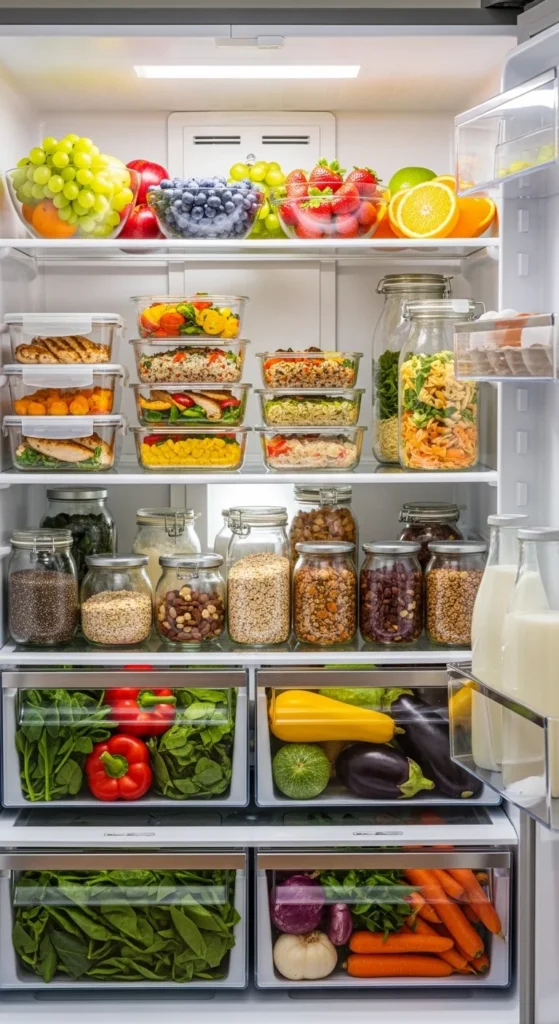
Let’s walk through how to make this transition smooth, sustainable, and surprisingly enjoyable.
Start With Mindset, Not Meal Plans
Most people fail because they try to change everything overnight. A diet lifestyle works best when you shift your thinking first.
Instead of saying:
- “I can’t eat this.”
Try: - “I’m choosing foods that make me feel better.”
Focus on progress rather than restriction.
Helpful mindset shifts:
- Diet food is everyday food — not temporary food.
- Balance matters more than perfection.
- Consistency beats motivation.
When you stop seeing healthy eating as a short-term project, it becomes easier to build habits that actually last.
Upgrade Your Kitchen Gradually
You don’t need a complete pantry makeover in one day. Small swaps make the transition feel natural rather than overwhelming.
Start by replacing one category each week:
- Swap sugary drinks for infused water or green tea.
- Replace white bread with whole-grain options.
- Choose grilled or baked proteins instead of fried foods.
- Keep nuts, yogurt, or fruit visible for quick snacks.
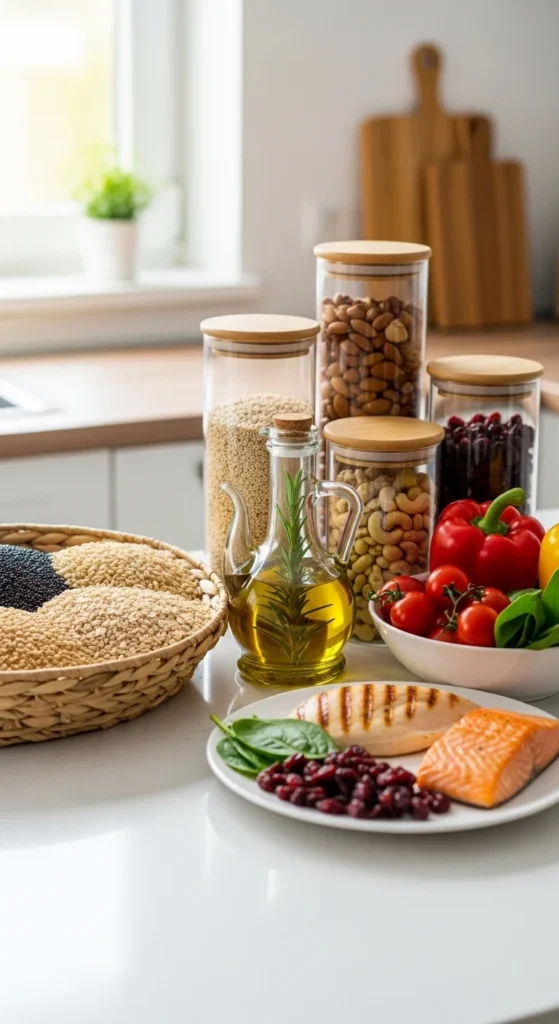
Pro tip: Keep healthy foods easy to reach. Convenience strongly influences what you eat.
Build Balanced Plates (Without Overthinking)
You don’t need complicated calorie counting to eat better. A simple visual plate method works wonders.
Aim for:
- Half plate: vegetables or salad
- Quarter plate: protein (chicken, fish, beans, eggs)
- Quarter plate: smart carbs (rice, potatoes, whole grains)
This structure naturally controls portions while keeping meals satisfying.
Why it works:
- Protein keeps you full longer.
- Fiber stabilizes energy levels.
- Balanced carbs prevent cravings later.
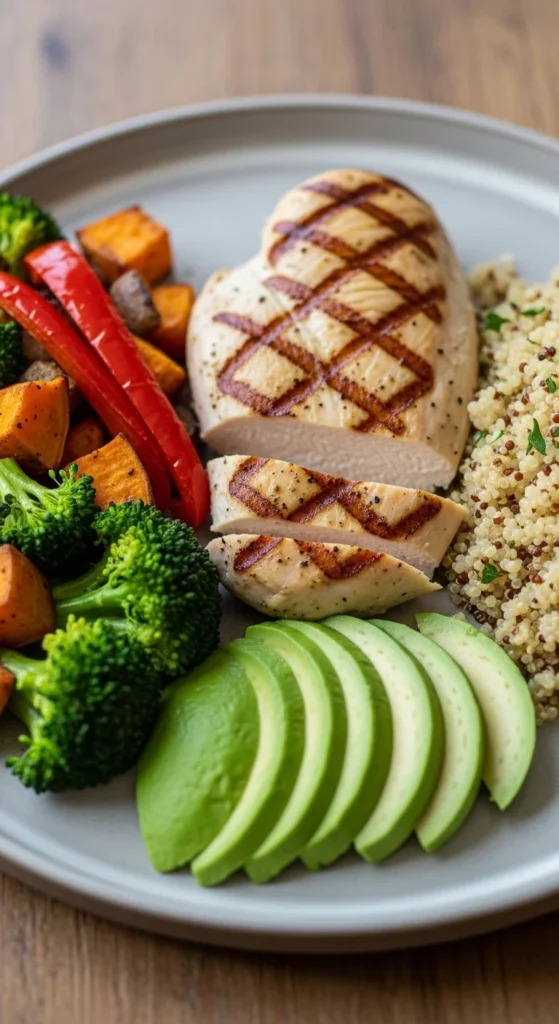
Keep meals colorful — variety often means better nutrition without extra effort.
Make Meal Prep Simple (Not Extreme)
You don’t need hours of Sunday meal prep to succeed. Instead, focus on partial preparation.
Try these easy strategies:
- Wash and chop vegetables ahead of time.
- Cook one large protein for multiple meals.
- Prepare sauces or dressings in advance.
- Store portions in clear containers.
Even preparing just two ingredients ahead can make weekday meals effortless.
Example:
Grilled chicken + chopped veggies = salads, wraps, or stir-fries all week.
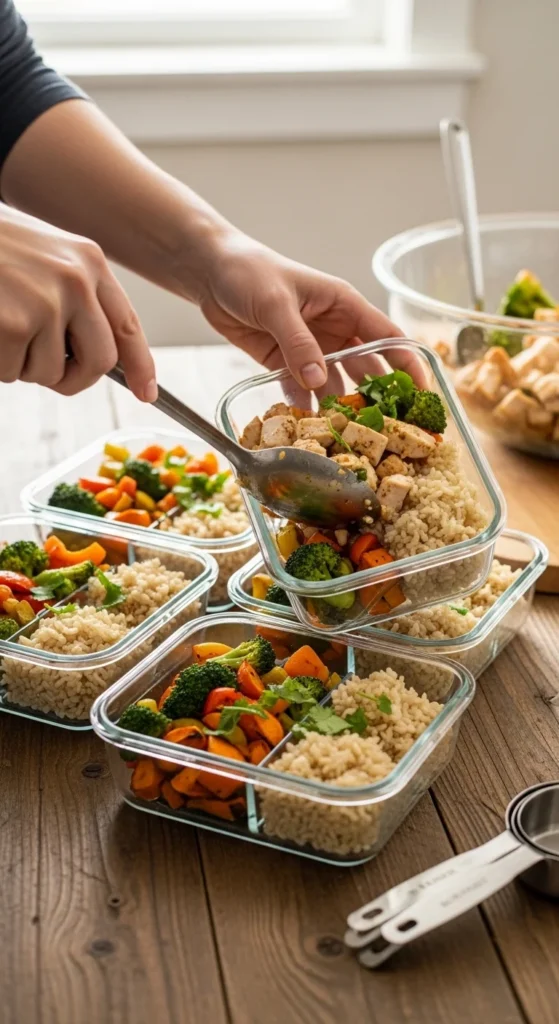
The goal isn’t perfection — it’s removing decision fatigue when you’re tired or busy.
Learn to Handle Cravings the Smart Way
Cravings don’t disappear when you start eating healthier — but your response to them can change.
Instead of eliminating favorite foods, use the 80/20 approach:
- 80% nourishing meals
- 20% flexibility and enjoyment
Smart craving strategies:
- Pair treats with protein (like fruit with yogurt).
- Drink water first — thirst often feels like hunger.
- Wait 10 minutes before giving in to impulse snacks.
When you allow balance, you avoid the binge-and-guilt cycle that ruins many diets.
Create a Lifestyle Routine That Fits You
A diet lifestyle succeeds when it blends into your daily rhythm.
Ask yourself:
- When do I naturally feel hungry?
- Which meals are rushed?
- When am I most likely to snack?
Then design habits around reality.
Examples:
- Busy mornings → prepare overnight oats.
- Afternoon energy crash → add a protein snack.
- Late-night cravings → drink herbal tea or eat fruit.
Consistency matters more than strict schedules.
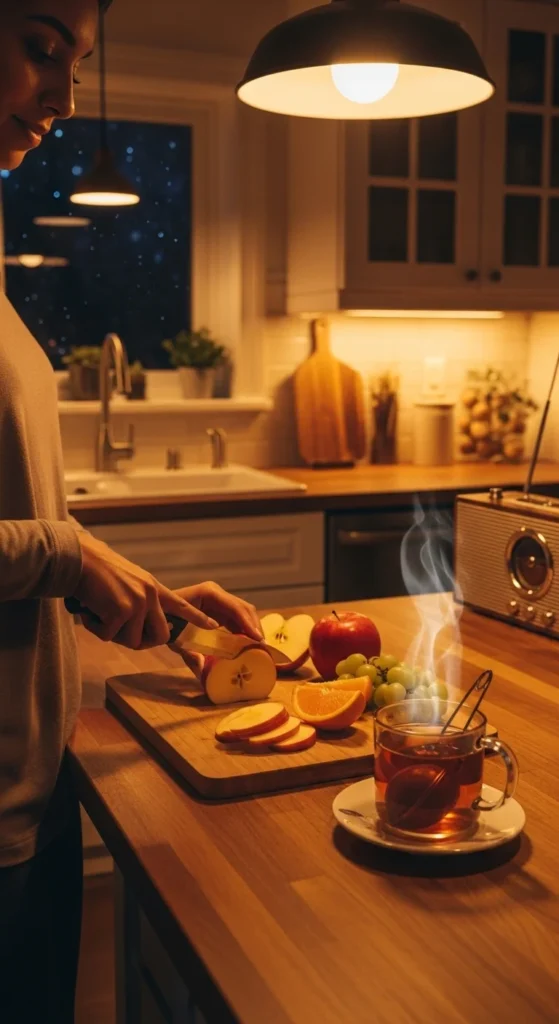
Your routine should support your life — not compete with it.
Celebrate Small Wins Along the Way
Many people quit because they only focus on weight changes. But lifestyle transformation shows up in other powerful ways:
- Better energy levels
- Improved sleep
- Stable mood
- Less bloating
- Clearer thinking
Notice these victories. They are signs your habits are working.
Keep a simple habit tracker or journal and write down one positive change each week. Motivation grows when progress feels visible.
Final Thoughts: Make It a Lifestyle, Not a Phase
Transitioning to a diet food lifestyle isn’t about eating perfectly — it’s about building a relationship with food that supports your health long-term. Start small, stay flexible, and focus on habits you can maintain even on busy or imperfect days.
Remember: every healthier choice is a vote for the person you’re becoming.
Start today with one small change — and save this guide for later when you need a reset!
Leave a Reply