

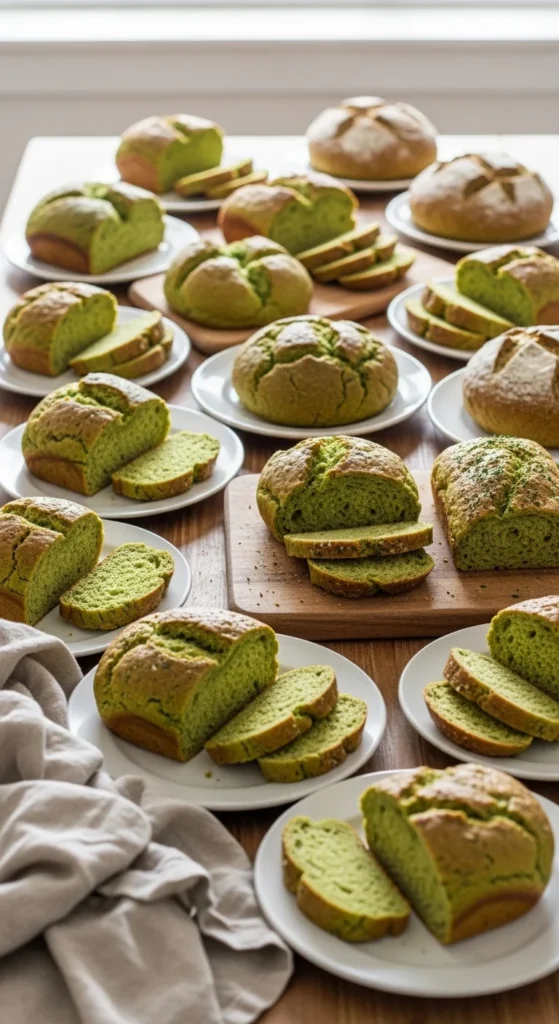
St. Patrick’s Day is a perfect excuse to bake something warm, simple, and comforting at home. Bread recipes tied to Irish traditions often rely on basic pantry staples and straightforward steps. That makes them ideal for beginners and casual home bakers. This collection focuses on easy homemade bread ideas that feel festive without adding stress. Each option uses familiar ingredients, flexible methods, and realistic shortcuts so anyone can enjoy baking for the holiday.
1. Classic Irish Soda Bread
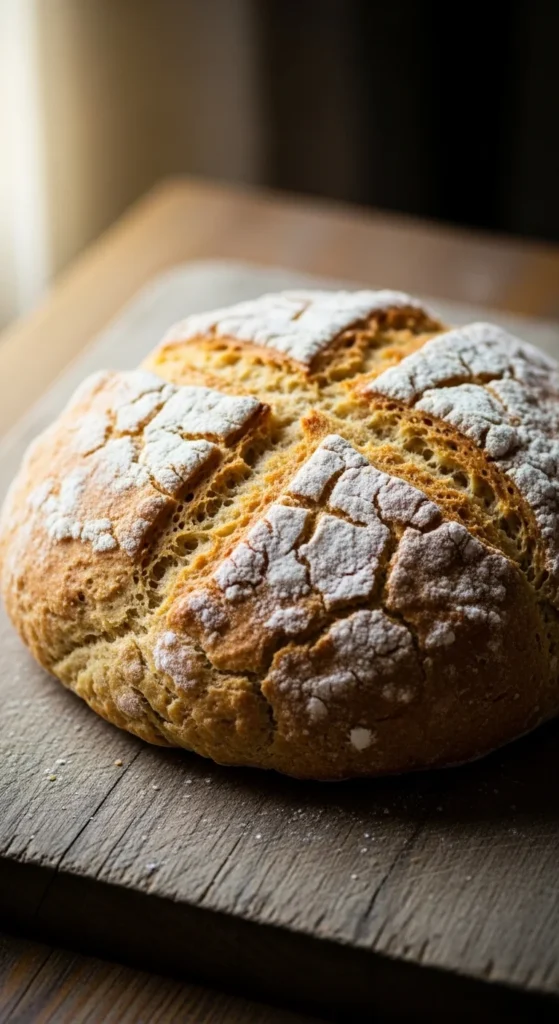
Irish soda bread works well because it skips yeast entirely. Baking soda handles the rise. That keeps the process short and approachable. Most kitchens already have flour, baking soda, salt, and milk. Stir everything together. Shape it gently. Bake until golden.
A cross cut into the top helps the loaf cook evenly. It also gives that familiar look people expect on St. Patrick’s Day. If the dough feels sticky, dust your hands with flour instead of adding more liquid.
Budget tip: Use regular milk instead of specialty dairy. The result still slices well. Serve with butter or jam. Leftovers toast nicely the next day and pair well with breakfast spreads.
2. Cheddar Irish Soda Bread
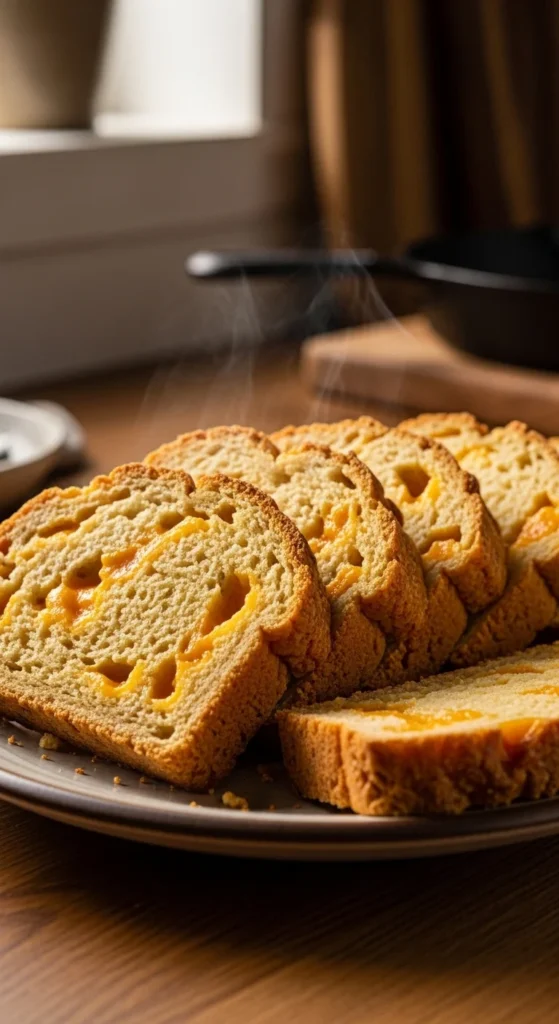
Adding cheese to soda bread changes the texture and flavor without extra effort. Grated cheddar folds right into the dough. Sharp cheese works best because a small amount goes far.
Mix the dough lightly to keep the loaf tender. Overworking can make it dense. Sprinkle extra cheese on top before baking for a crisp crust.
Budget tip: Use store-brand cheese blocks and grate them yourself. Pre-shredded options cost more and melt less evenly.
This bread pairs well with soups or simple vegetables. It also holds up well for sandwiches later in the day.
3. Irish Brown Bread
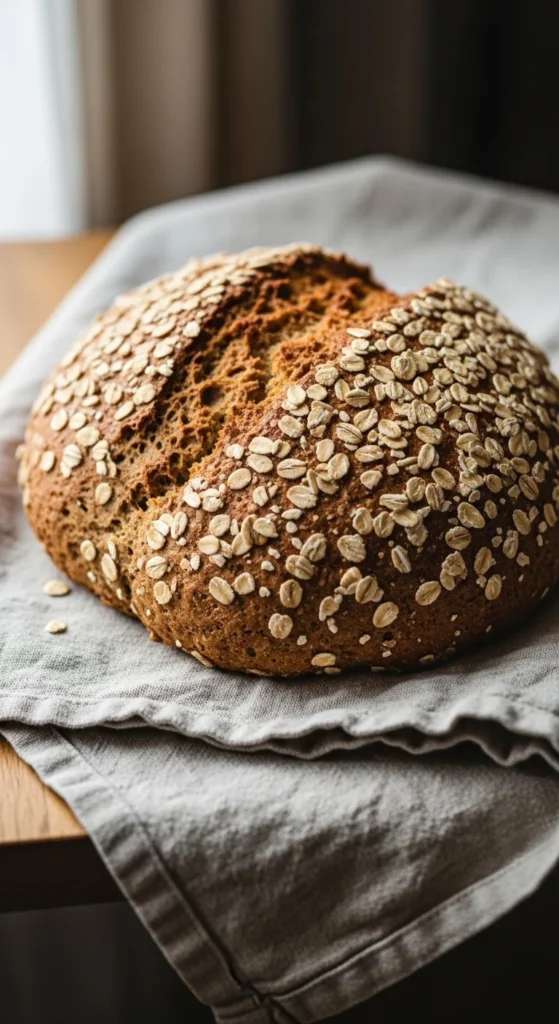
Irish brown bread uses whole wheat flour for a hearty crumb. It feels filling without being heavy. The recipe stays simple, similar to soda bread, but with a deeper color and nutty flavor.
Oats sprinkled on top add texture. Press them gently so they stick. Bake until the loaf sounds hollow when tapped.
Budget tip: Whole wheat flour is often cheaper in bulk. Store extra in an airtight container for later bakes.
This bread works well sliced thick and served with spreads or alongside warm meals.
4. Skillet Soda Bread
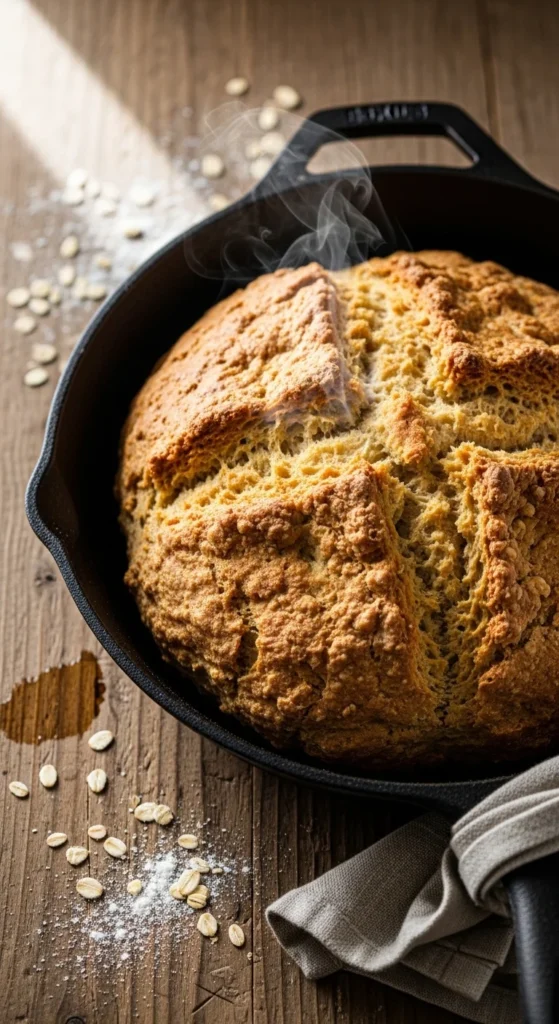
Baking soda bread in a skillet creates a crisp bottom and even heat. Cast iron works well, though any oven-safe pan helps. Preheat the skillet for best results.
Shape the dough directly on parchment. Lower it carefully into the hot pan. Bake until the crust turns deep golden.
Budget tip: A single skillet handles many recipes beyond this bread. It’s a long-term kitchen investment.
Serve this loaf warm and sliced at the table for a casual holiday feel.
5. Oatmeal Soda Bread
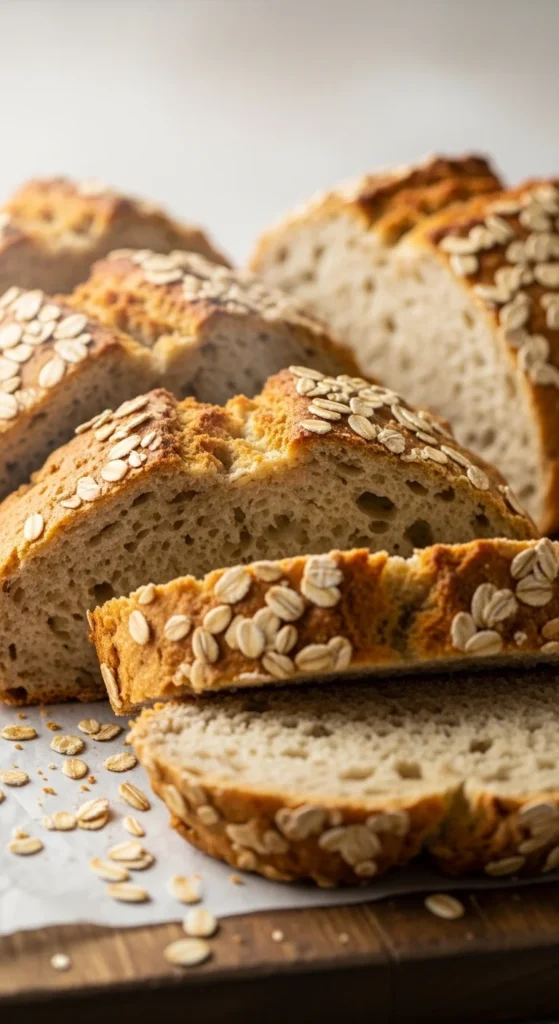
Oatmeal soda bread uses soaked oats for a soft interior. The oats add texture while keeping the bread moist. This version works well for breakfast or light meals.
Soak oats briefly in warm milk before mixing. That step helps them blend smoothly into the dough.
Budget tip: Use basic rolled oats instead of specialty varieties. They perform just as well.
This loaf stores well and slices cleanly for several days.
6. Garlic Herb Irish Bread
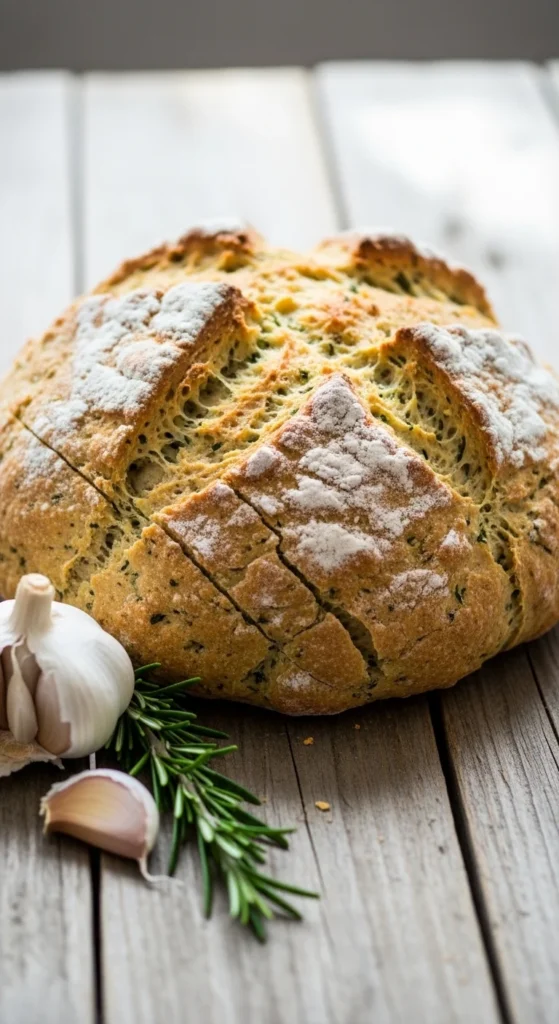
Garlic and dried herbs add flavor without complexity. Use pantry herbs like parsley or thyme. Minced garlic mixes directly into the dough.
Avoid excess moisture. Too much garlic paste can soften the loaf too much.
Budget tip: Dried herbs last longer than fresh bunches and work well here.
This bread fits well with dinner spreads or sliced thin for snacking.
7. Honey Oat Irish Bread
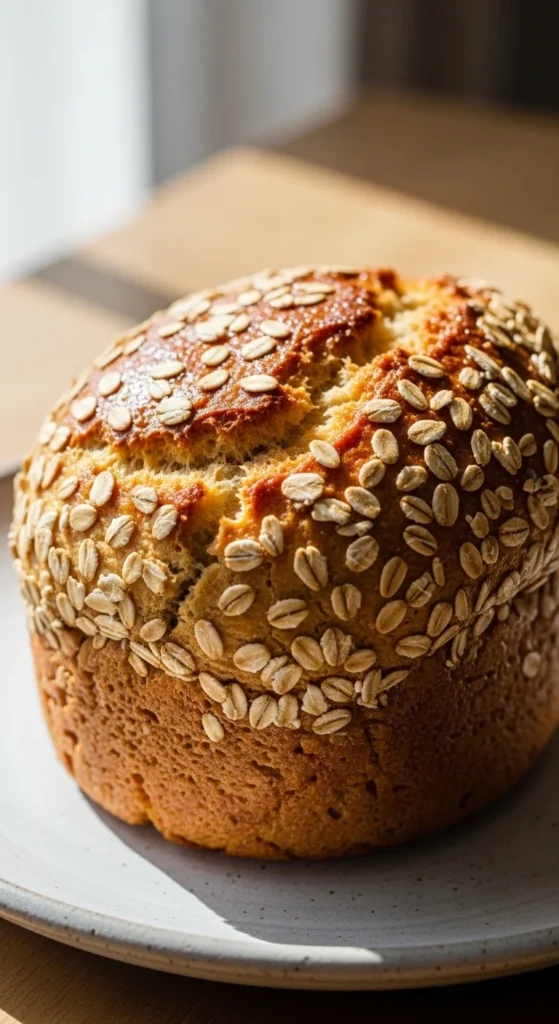
A small amount of honey adds gentle sweetness. It balances the hearty oats without overpowering the bread.
Stir the honey into the milk before combining ingredients. This keeps the dough even.
Budget tip: A little honey goes a long way. One jar covers many recipes.
This bread works well for breakfast or paired with mild spreads.
8. No-Knead Irish Bread
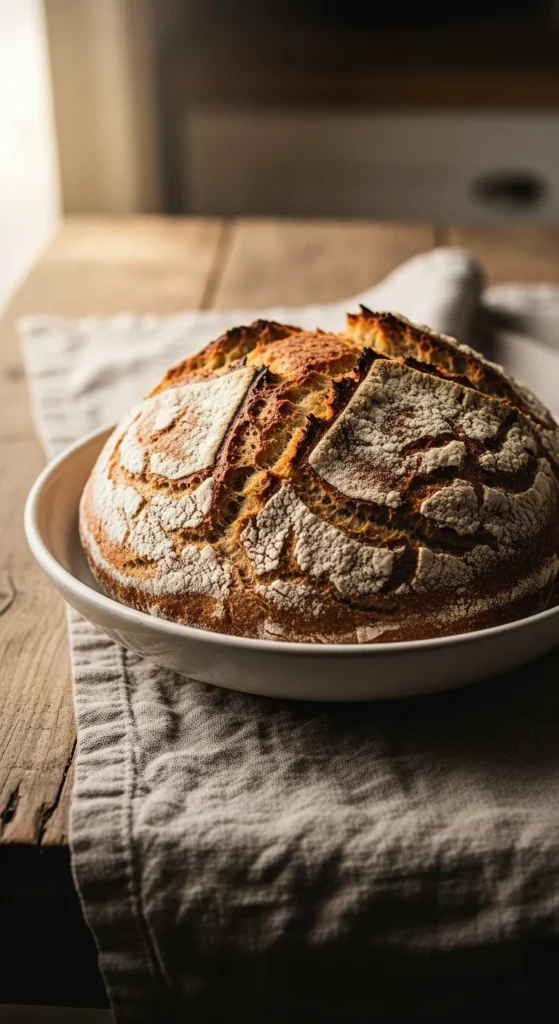
This option suits beginners. Mix ingredients. Rest briefly. Bake. No kneading required.
The texture stays soft inside with a sturdy crust. It’s forgiving and flexible.
Budget tip: Skip specialty flours. Standard all-purpose flour works well.
Bake this loaf when time is short but you still want homemade bread.
9. Raisin Soda Bread
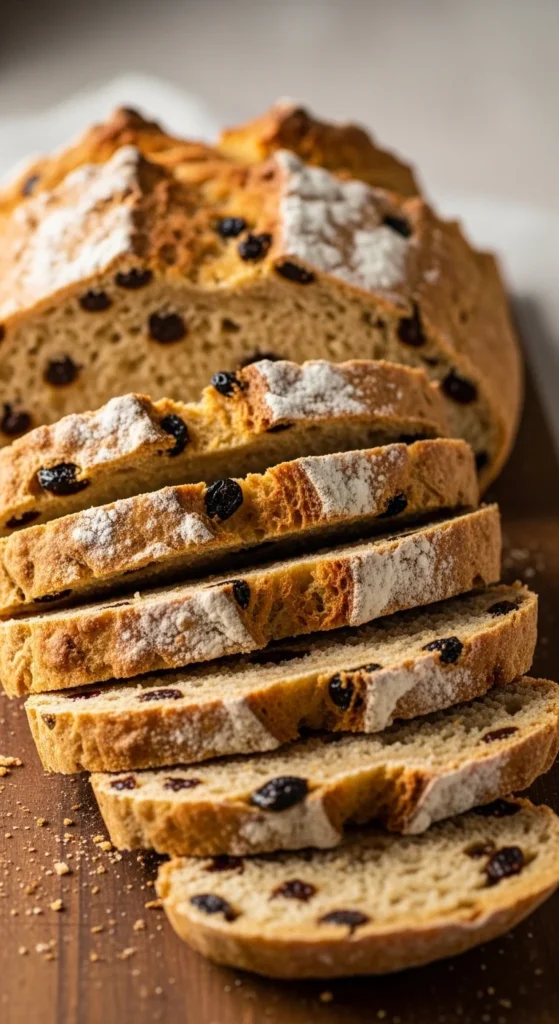
Raisins add sweetness and contrast. Fold them in last to avoid tearing the dough.
If raisins feel dry, soak briefly in warm water and drain well.
Budget tip: Buy raisins in larger bags to save money.
This bread pairs well with breakfast spreads or tea-time snacks.
10. Orange Zest Irish Bread
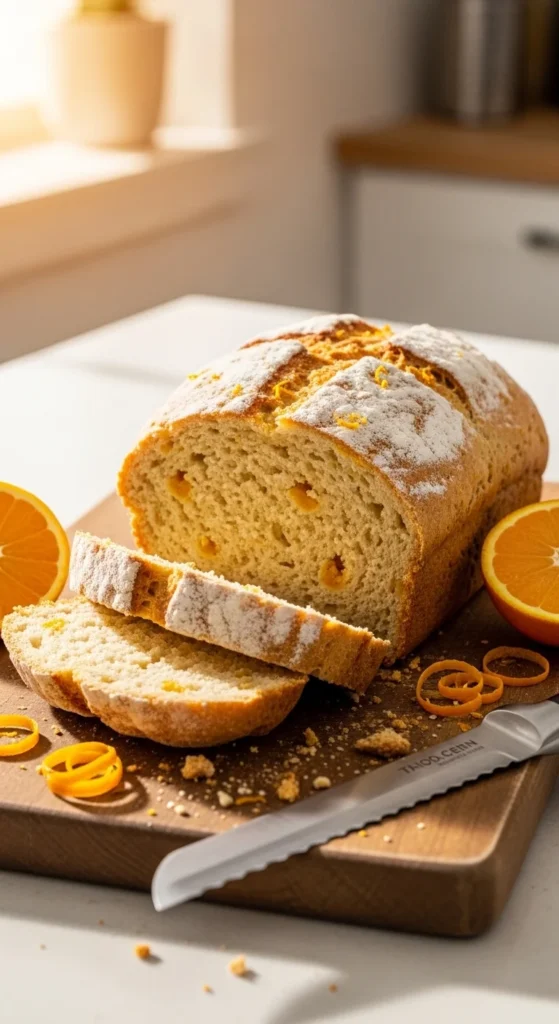
Orange zest brightens soda bread using minimal effort. Only the peel is used.
Avoid the white pith to prevent bitterness.
Budget tip: Use the rest of the orange for snacks or cooking.
This loaf feels festive and works well for brunch.
11. Skillet Cheddar Bread

Cheddar bread baked in a skillet forms a crisp edge and soft center.
Press cheese gently on top before baking.
Budget tip: One skillet serves multiple bread styles.
Serve warm for best texture.
12. Yogurt Soda Bread
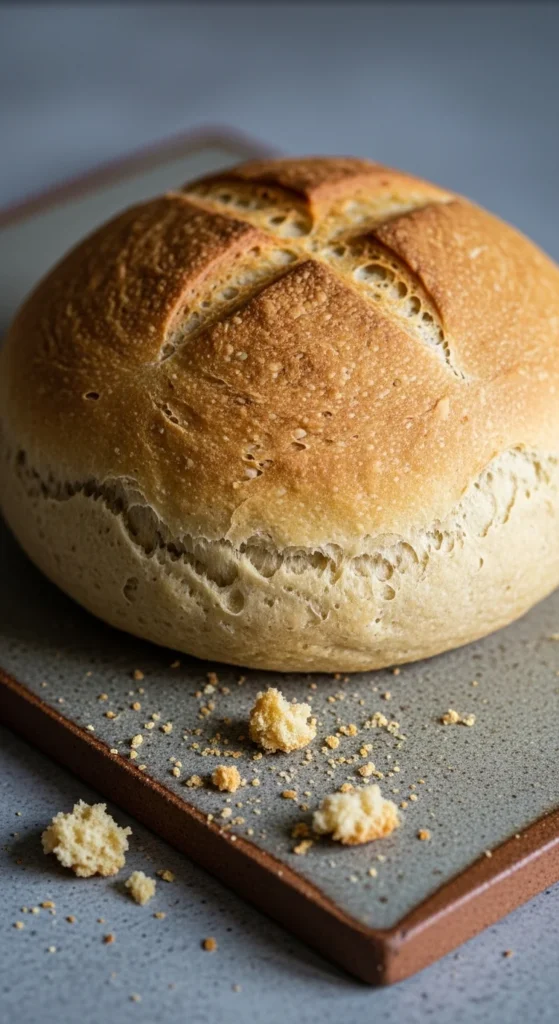
Yogurt replaces milk for added softness. Plain yogurt works best.
Thin with a little water if needed.
Budget tip: Use plain store-brand yogurt.
This loaf stays tender longer than standard soda bread.
13. Seeded Irish Bread
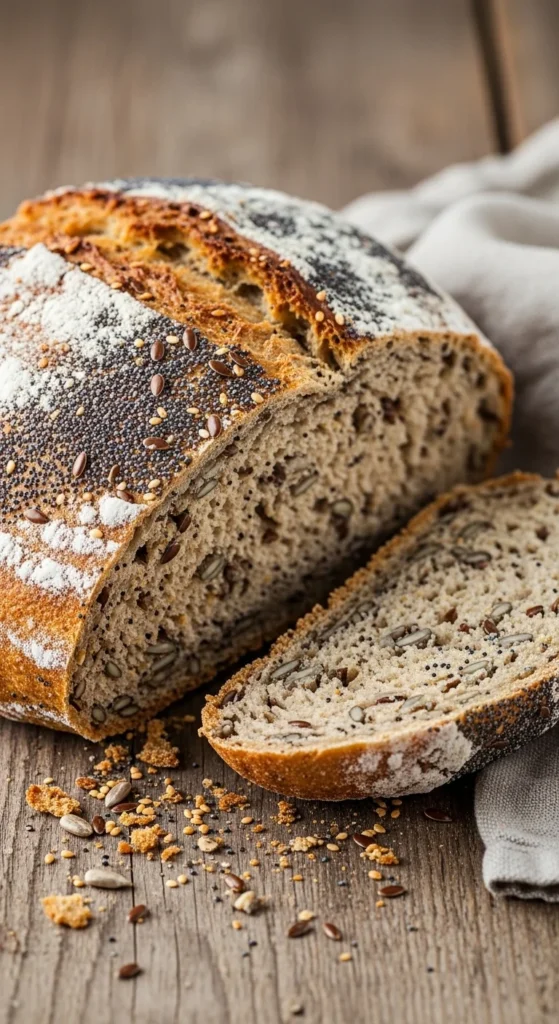
Seeds add crunch and visual interest. Use sunflower or sesame seeds.
Mix lightly to keep texture even.
Budget tip: Buy seeds in small bulk containers.
Slice thin for easy serving.
14. Skillet Oat Bread
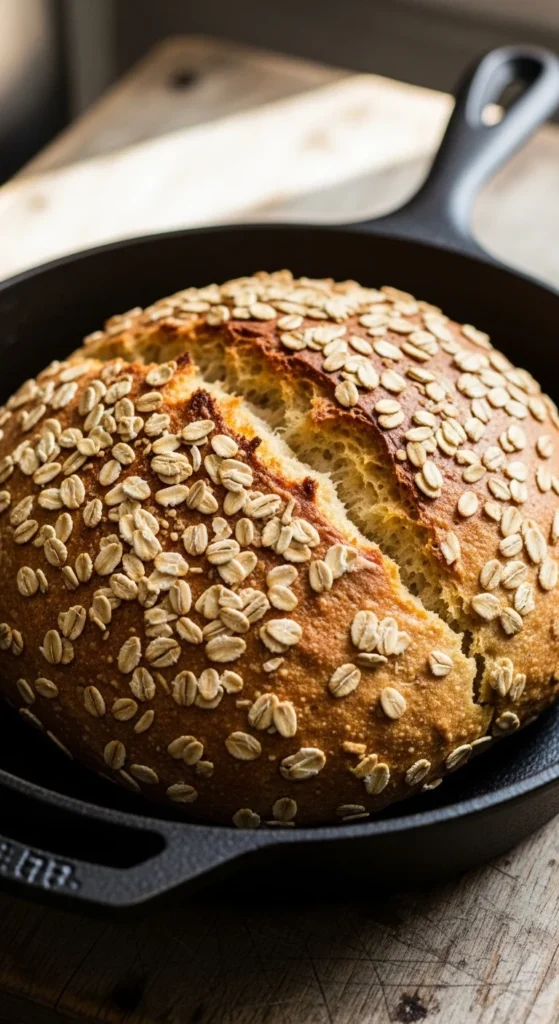
Oats crisp nicely in a hot skillet. Sprinkle generously on top.
Brush lightly with milk to help them stick.
Budget tip: Rolled oats are affordable and versatile.
Great for breakfast spreads.
15. Soft Dinner-Style Irish Rolls
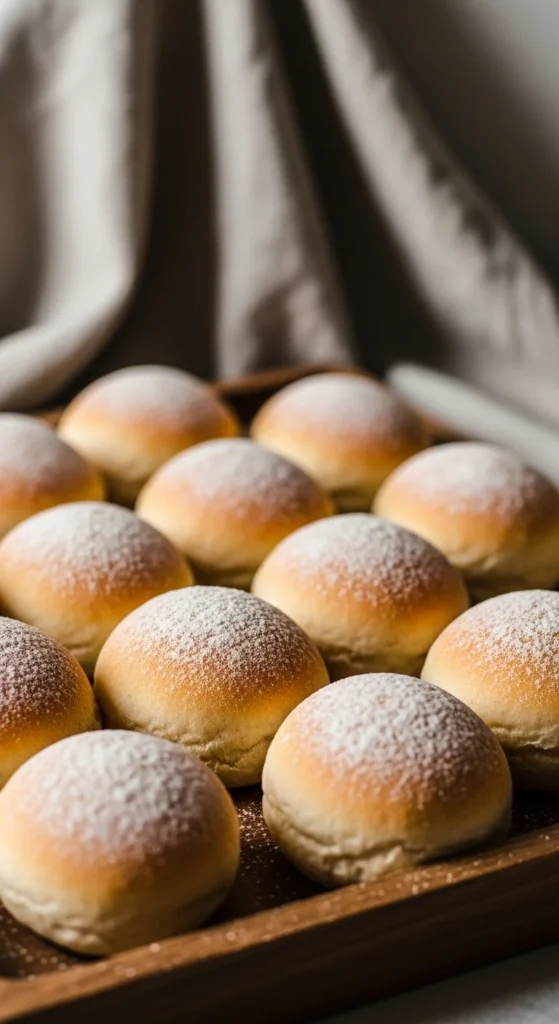
These rolls use soda bread dough shaped smaller. Bake until lightly golden.
They cook faster than full loaves.
Budget tip: One batch feeds many people.
Perfect for sharing.
16. Herb and Onion Irish Bread
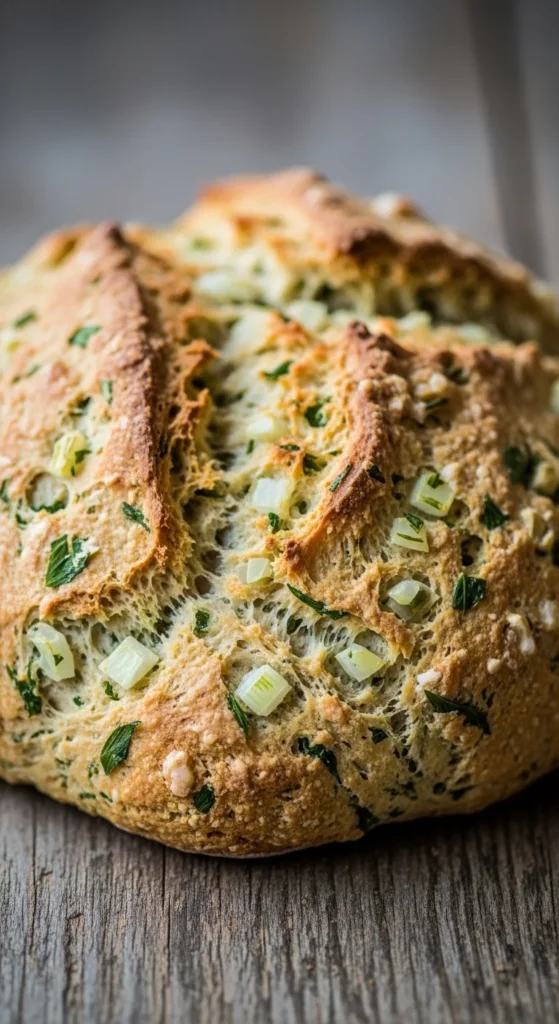
Chopped onion adds depth. Use finely diced pieces to avoid excess moisture.
Sauté lightly before mixing.
Budget tip: One onion flavors multiple loaves.
Serve alongside hearty meals.
17. Maple Oat Soda Bread
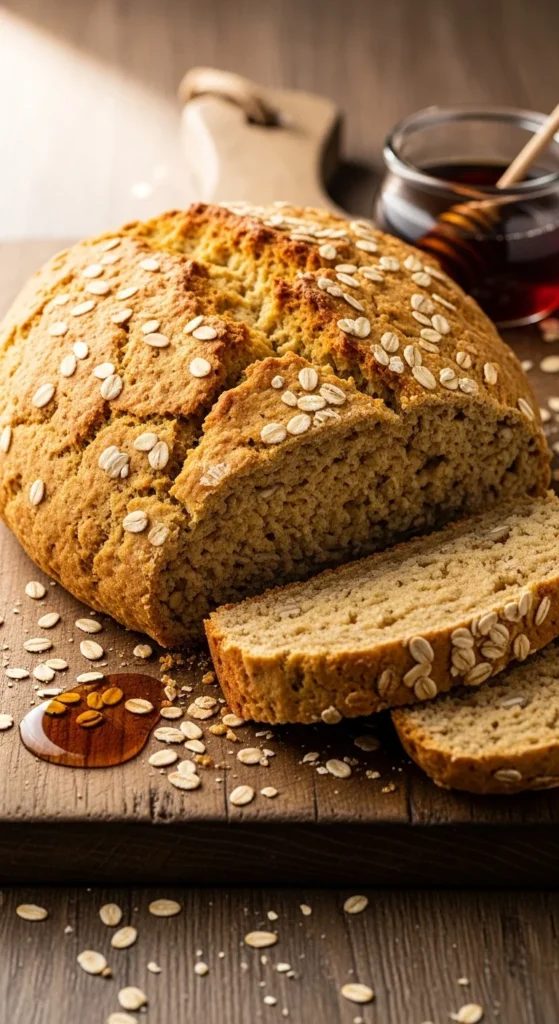
Maple syrup adds mild sweetness. Use sparingly.
Mix into milk before adding flour.
Budget tip: Small amounts stretch far.
Pairs well with breakfast spreads.
18. One-Bowl Irish Bread
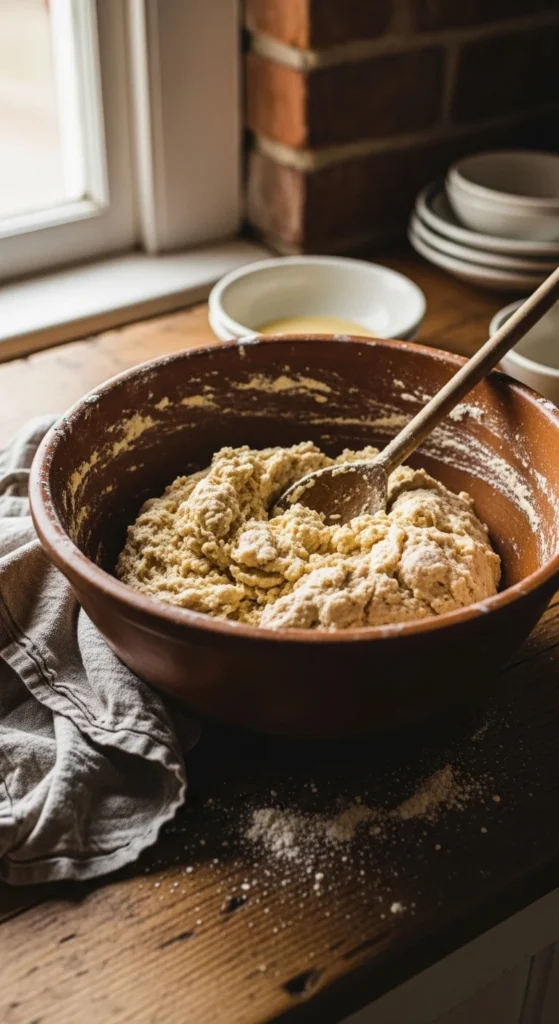
Everything mixes in one bowl. Less cleanup.
Stir just until combined.
Budget tip: Fewer tools save time and effort.
Bake when time is limited.
19. Cast Iron Brown Bread
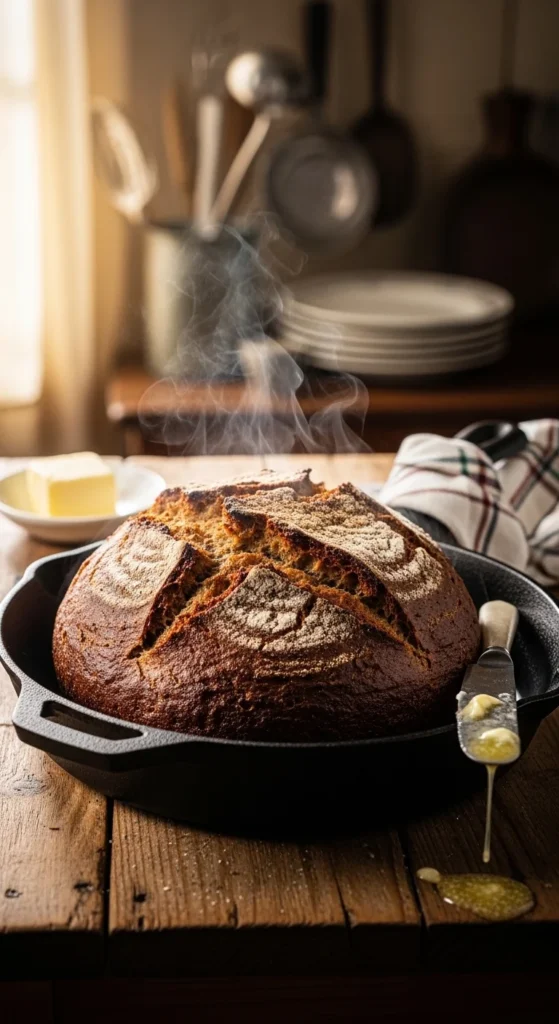
Brown bread baked in cast iron forms a sturdy crust.
Preheat the pan for best results.
Budget tip: Cast iron lasts decades.
Slice thick for serving.
20. Simple Flat Irish Bread
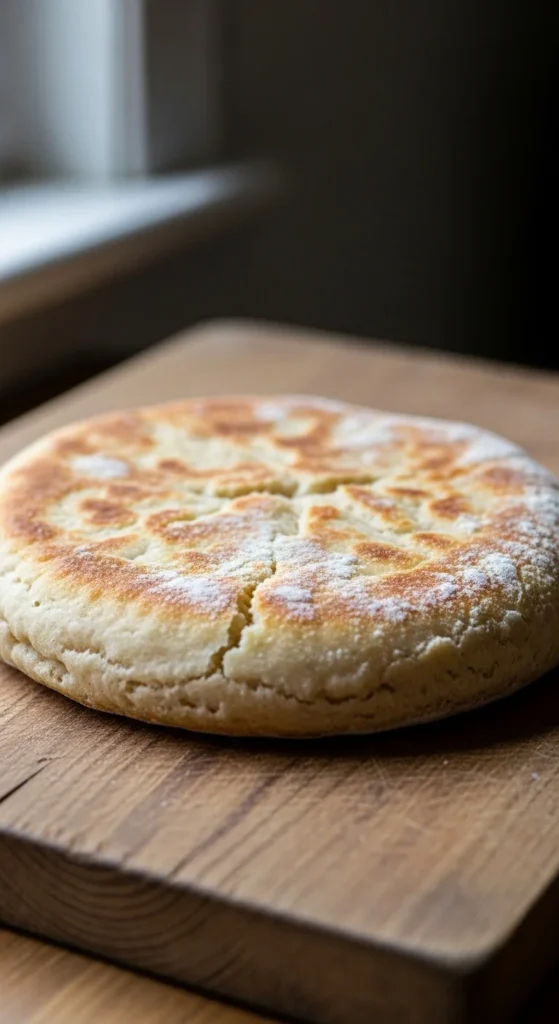
This version bakes quickly. Shape dough flatter than usual.
Cook time shortens.
Budget tip: Uses minimal ingredients.
Serve warm.
21. Lemon Zest Soda Bread
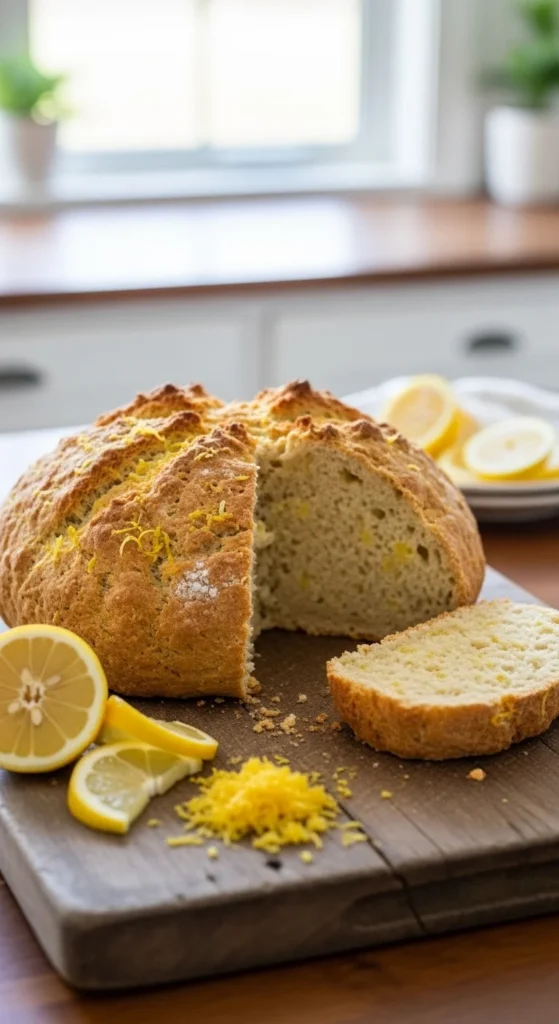
Lemon zest adds light citrus notes.
Avoid juice to keep texture right.
Budget tip: Use leftover lemons.
Works well for brunch.
22. Family-Style Irish Table Bread
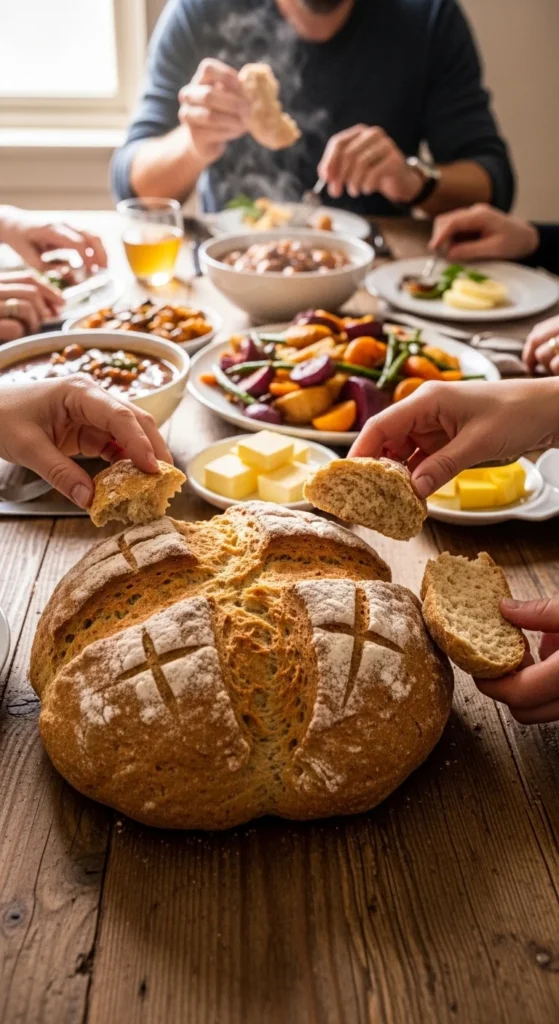
This large loaf serves a group. Shape wide and low.
Bake until evenly colored.
Budget tip: One loaf feeds many.
Slice and share easily.
Conclusion
Homemade bread brings warmth and comfort to St. Patrick’s Day without complicated steps or specialty tools. These recipes focus on simple methods, affordable ingredients, and practical results that fit real kitchens. Pick one that matches your schedule and pantry, bake it with confidence, and enjoy the satisfaction of sharing something made by hand.

Leave a Reply